
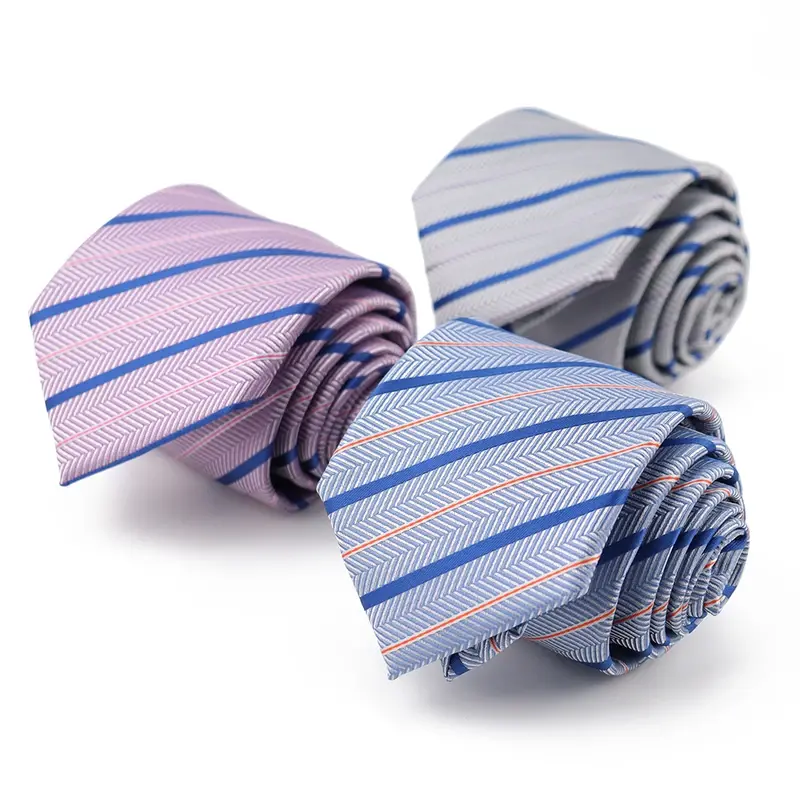
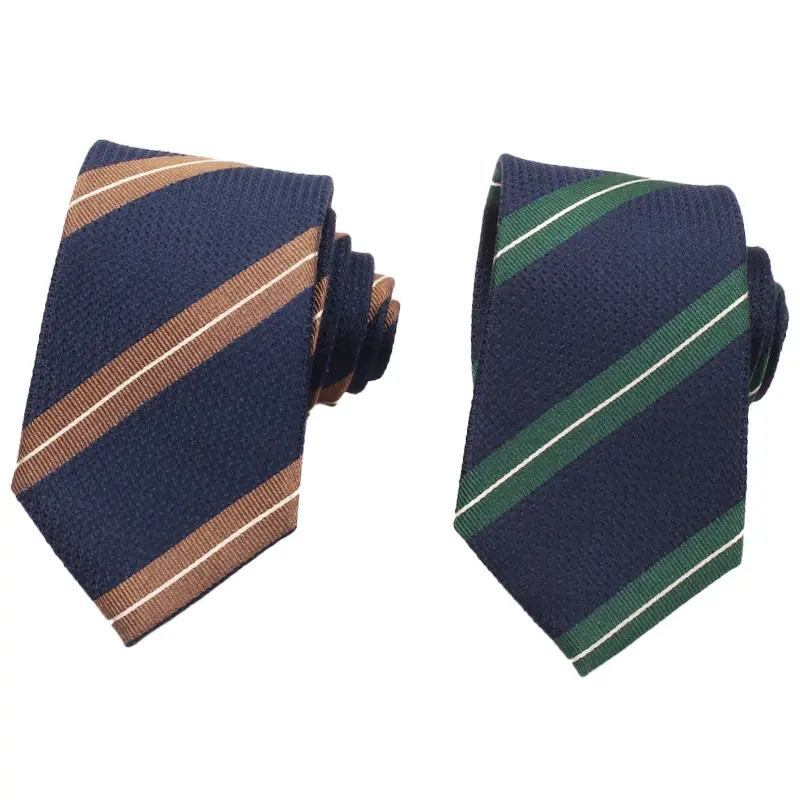

Custom Striped School Ties
LuxoTie helps schools, uniform suppliers, and distributors specify school colors, stripe direction, width, spacing, color order, tie size, and approved variants before sampling and production.
- Material: Polyester or polyester blend
- Width: 6, 7, 8, 9, or 10 cm
- Length: 135, 140, 145, 150, or 155 cm; other dimensions reviewed separately
- Stripe System: Direction, width, spacing, color order, and repeat confirmed before sampling
- Variants: House, year, role, campus, or program colorways organized by buyer-defined codes and quantities
Final pricing and timing depend on the approved stripe layout, material, dimensions, variant quantities, labels, and packing.
Request a Striped Tie Quote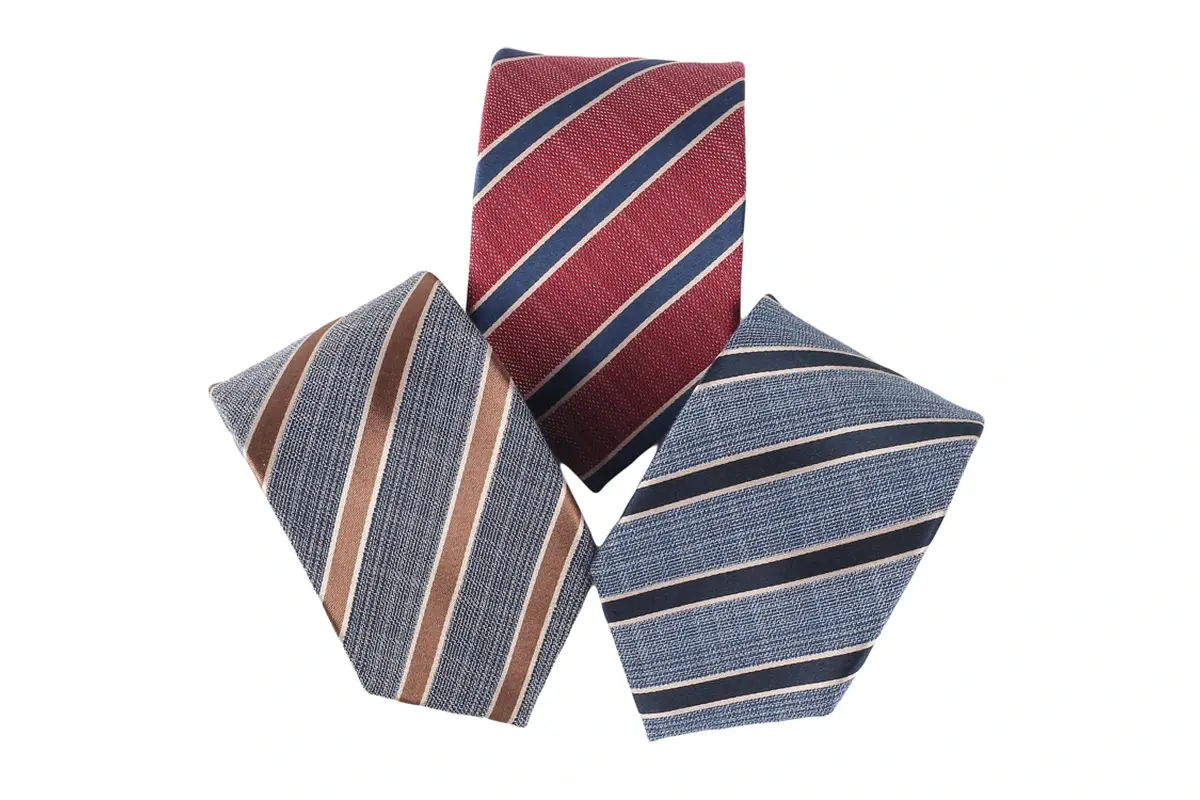
Specify School Colors and Stripe Dimensions
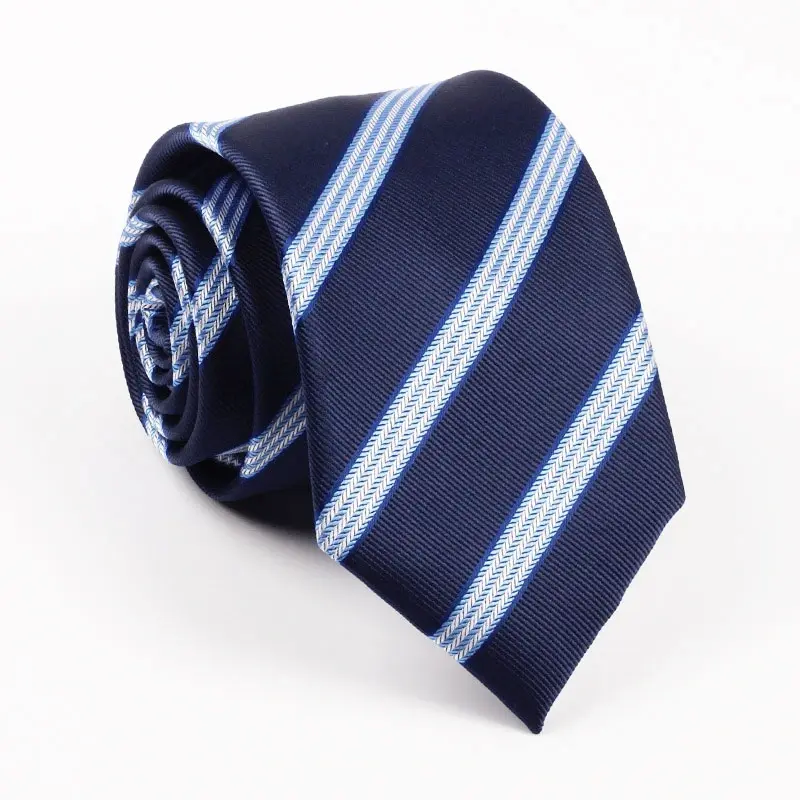
Record diagonal direction, stripe widths, gaps, color order, full repeat, and appearance across the finished blade. Approve flat artwork and a physical sample so each variant follows the same measured specification.
School Stripe and Finishing Details
The stripe sequence gives a school tie its recognizable identity. Color, finished proportions and labels distinguish each approved version.
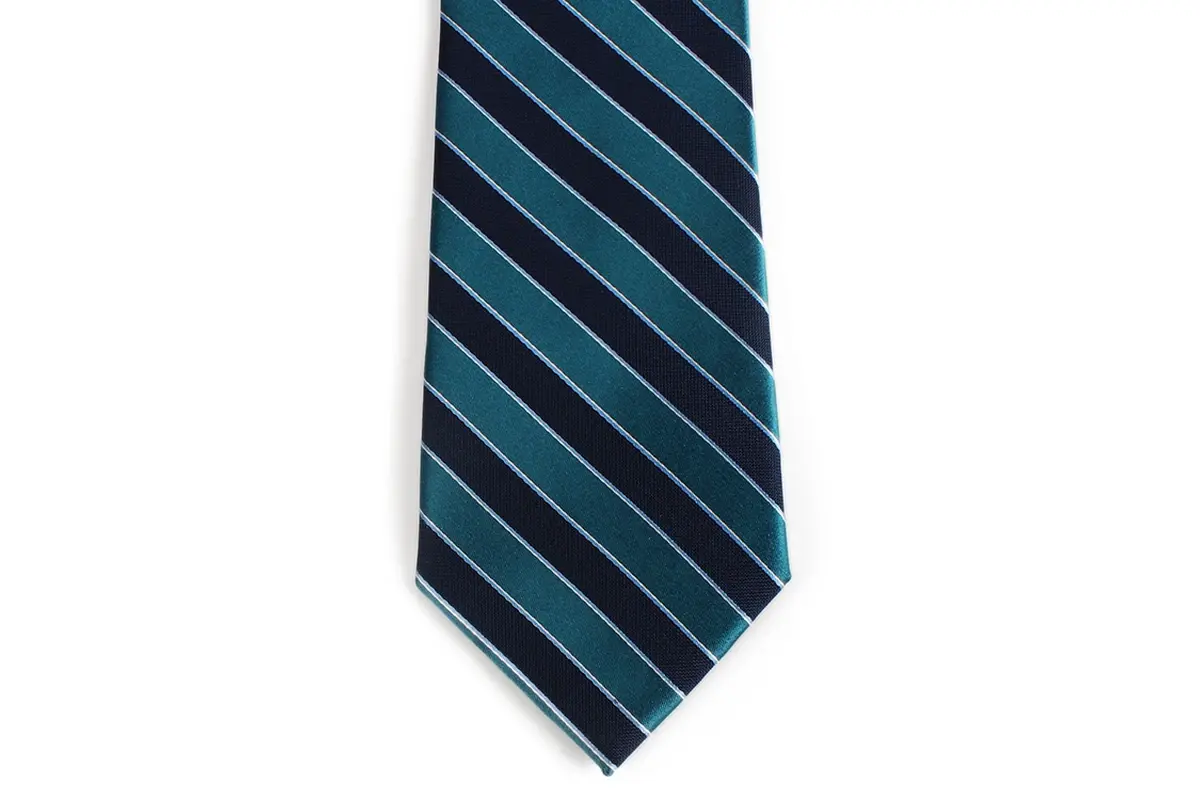
Stripe Direction and Repeat
Stripe widths, spacing and direction define the design. Accent lines and color order distinguish similar school or house patterns.
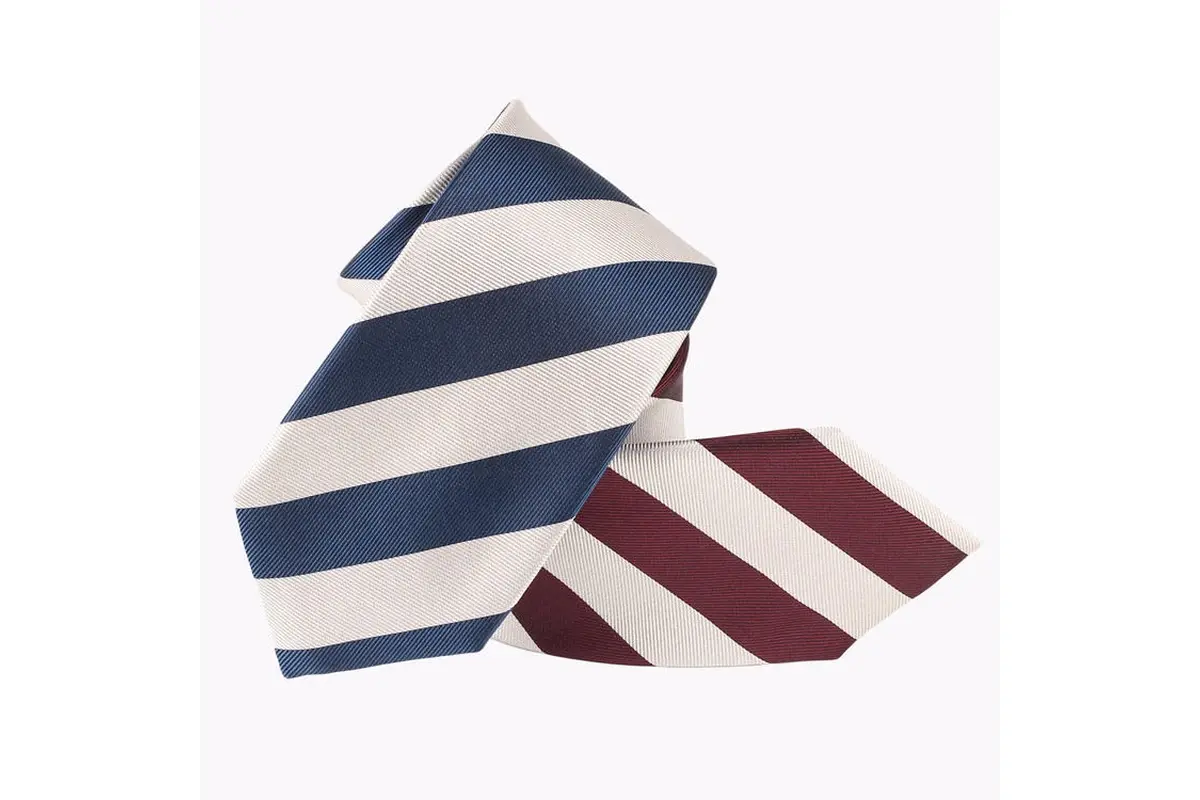
School and House Colors
Color references connect the base school palette to house or year variations. Each version has a defined stripe arrangement.
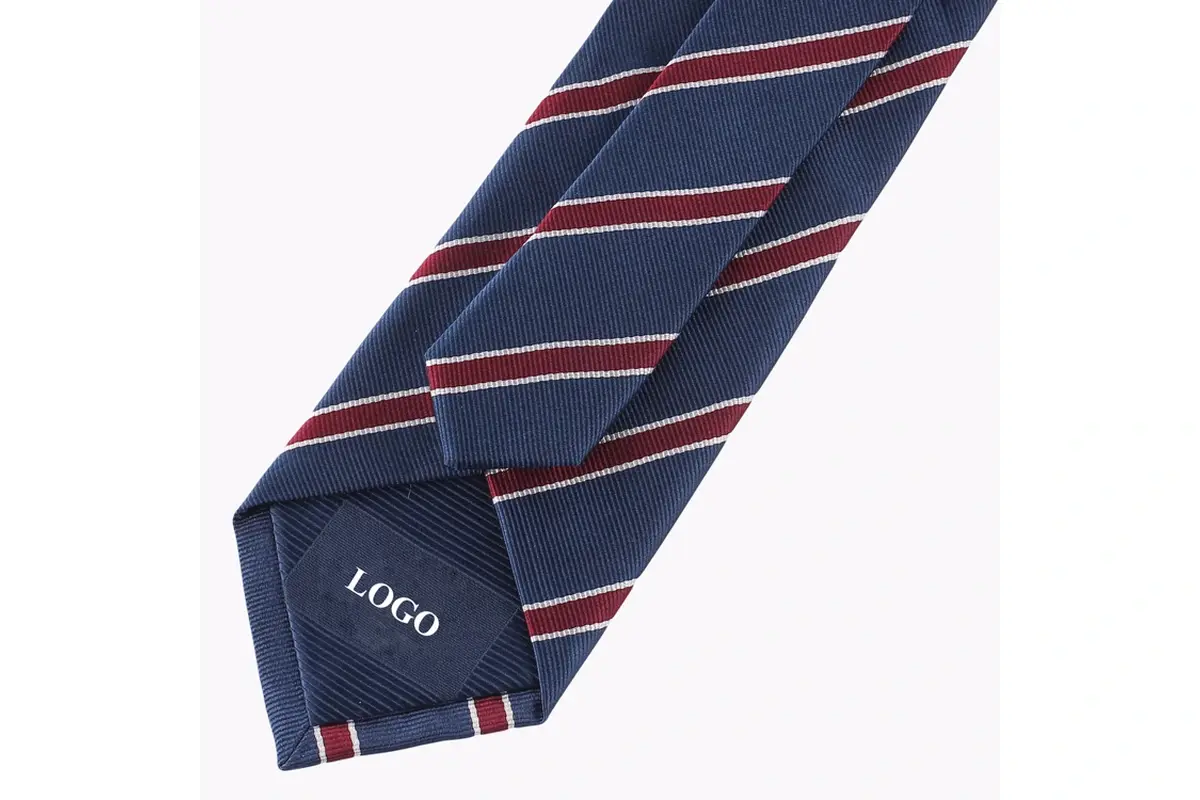
Size and Identification
The finished width and length suit the intended wearer group. School labels and packing codes identify each size and colorway.

Define the Stripe Layout
Record the full repeat for consistent interpretation during sampling and reorders.
- Stripe Direction
Show the stripe direction in artwork or a front-facing reference tie. - Stripe Width
Specify each broad band or narrow accent in millimetres and identify its color. - Stripe Spacing
Measure the gap or ground-color width between accents; descriptions such as close or wide are insufficient. - Color Order
List the two or more colors in sequence and show where that sequence starts within the repeat. - Repeat Sequence
Show the complete unit for unequal stripes or alternating accent groups, including every stripe and gap before the pattern repeats. - Finished-Blade Scale
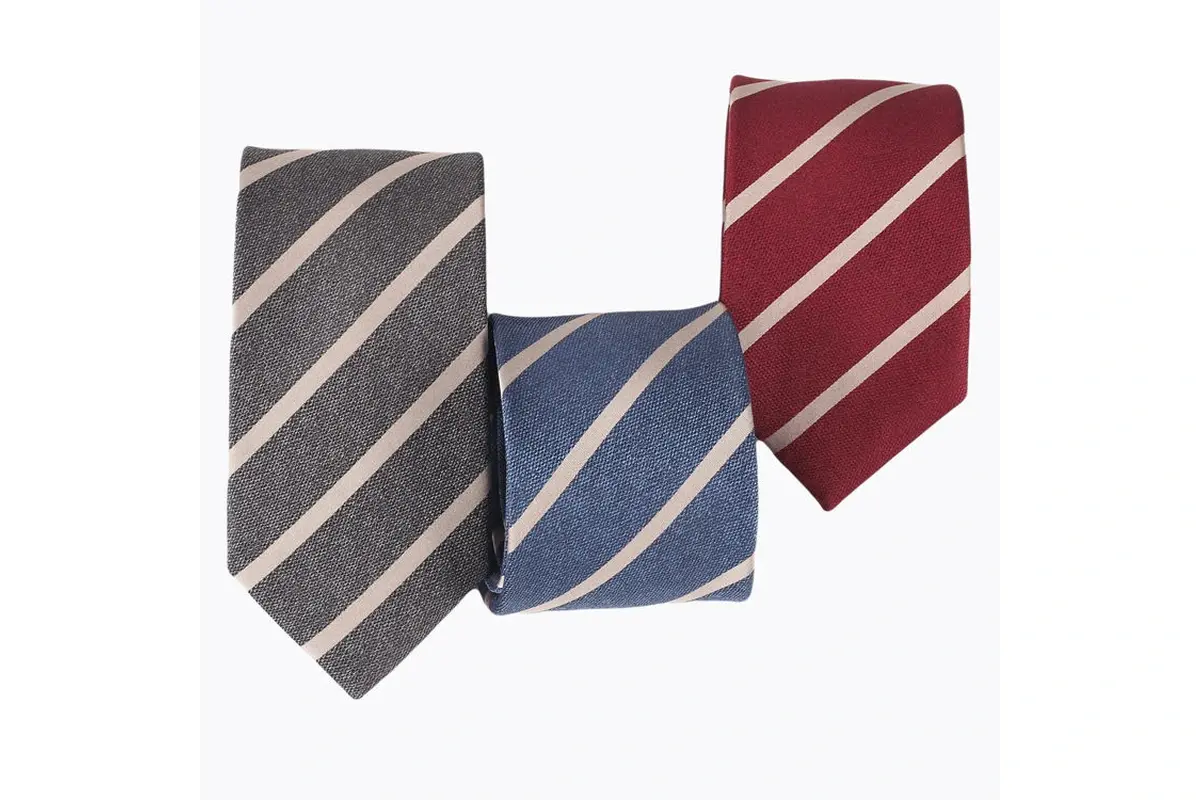
Review the repeat at the selected 6, 7, 8, 9, or 10 cm blade width before sample approval.
Build the School Color Palette
Give each color a defined role and usable reference, then check the combined palette on the physical sample.
- Ground Color
Supply a Pantone textile reference, current tie, fabric swatch, photo, or approved physical sample for the dominant background. - Main Stripe Color
Approve the primary contrasting school color and its proportion relative to the ground and accents. - Accent Stripe Color
Check the visibility of narrower or secondary details at the proposed width and approve them on the selected material. - Group Variant Color
Identify the stripe that changes for each house, year, role, campus, or program. Keep the rest of the layout fixed unless a separate design is intended.
House, Year, and Role Variants
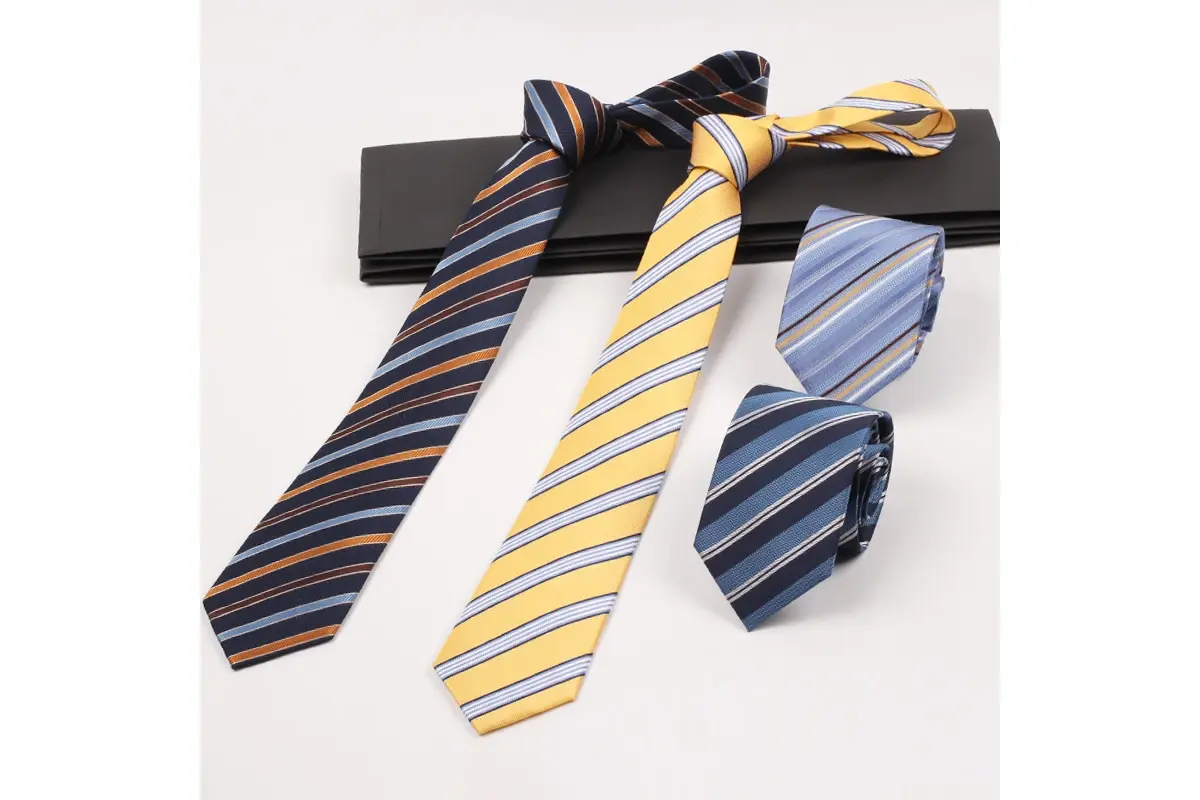
Develop related colorways from one approved base specification, then assign each version a clear code and quantity.
- House Variants
Record each House name, changed accent color, artwork code, size split, and quantity in a variant table. - Year Group Variants
Specify whether one stripe or the full repeat changes for each selected academic year. - Leadership or Role Variants
Use buyer-approved role names, symbols, and meanings. - Campus or Program Variants
Assign a unique code to each version in a shared design family so artwork, samples, packing, and reorders remain traceable. - Staff Coordination
Specify whether staff ties share the student repeat or use a separate colorway or dimensions.
Choose the School Tie Material
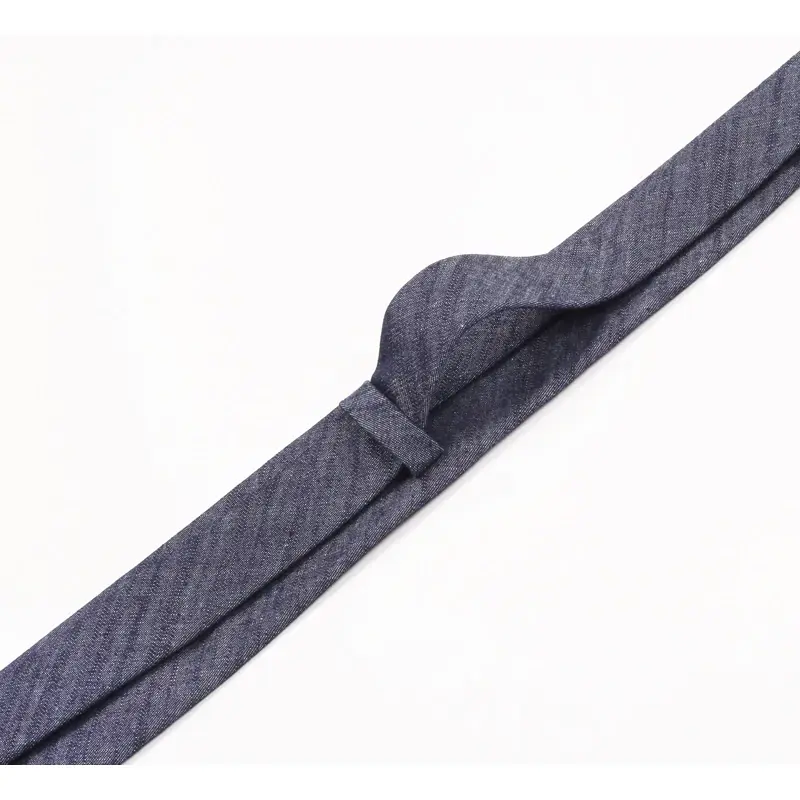
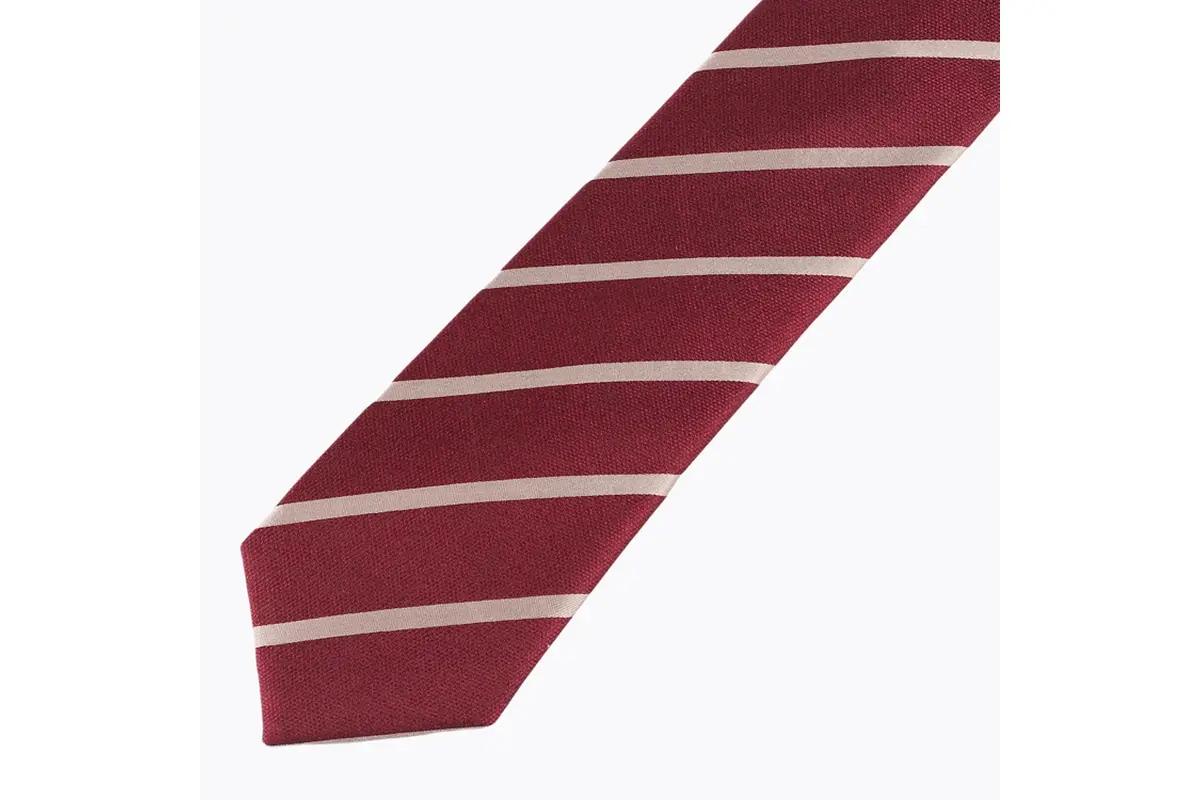
Choose polyester or polyester blend, then approve stripe colors and repeat on the physical sample.
- Polyester
An option for bulk striped school ties and repeat orders. Approve fabric appearance, stripe definition, color, hand feel, and construction on the sample. - Polyester Blend
A different hand feel or appearance may suit the striped tie. Review blend composition and the available stripe result for the project before approval.
Prepare Stripe Artwork and Approval References
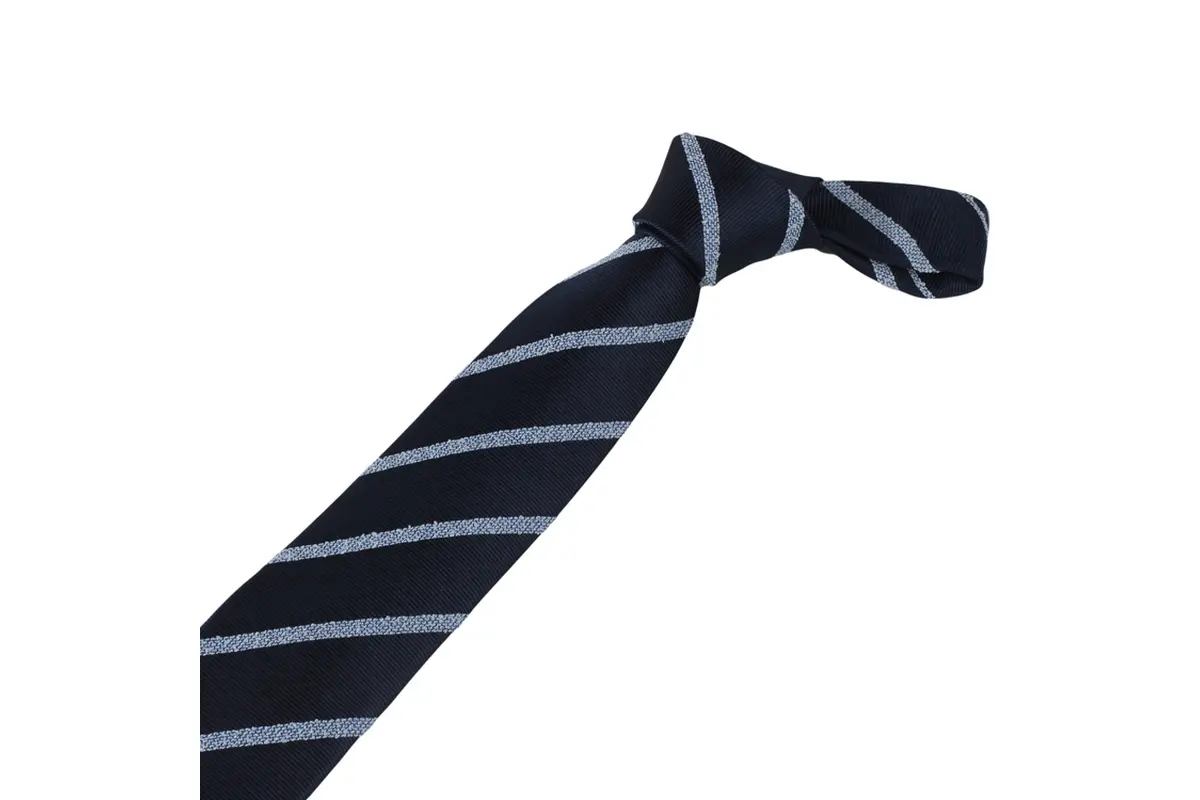
Combine visual references with measured specifications so artwork, sampling and purchasing teams use the same brief.
- Vector Stripe Layout
Supply new or revised designs in AI or PDF, including the full repeat, direction, measurements, color names, and finished tie width. - Measured Stripe Diagram
Mark every stripe and gap in millimetres when translating a sketch or current design into production instructions. Image proportions alone are insufficient. - Color Reference List
Pair each artwork color with its Pantone or approved physical reference and variant code to distinguish similar school or group colors. - Existing Tie or Physical Sample
Identify the details to match and those that may change in a reorder or redesign. The new production result still requires approval. - Variant and Quantity Table
List artwork code, stripe colorway, width, length, labels, packing, and quantity for every house, year, role, campus, or size SKU in the inquiry.
Related Custom Products
Compare school uniform, school logo, university, and striped woven ties.
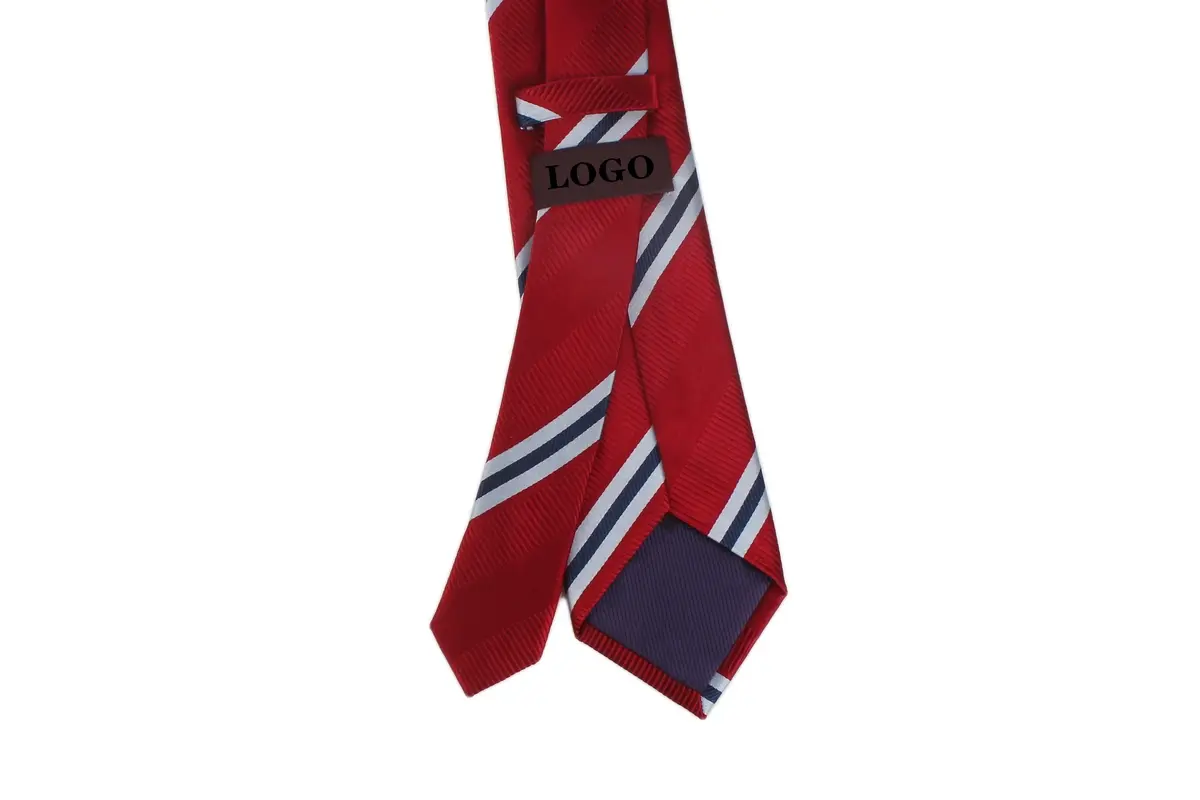
Keep the Approved Stripe Reference for Reorders
Record approved material, dimensions, stripe direction, measured repeat, color references, group codes, labels, packing, and quantities after sampling. For replenishment, provide the previous order reference and reconfirm specifications; material availability and production color may need further review.
Send Your Striped School Tie Brief
Send your striped school tie requirements and estimated quantity.
Request a Striped Tie Quote