

Custom Polyester Ties
Choose woven, printed, satin, or uniform options, then define sizing, construction, labels, packaging, and repeat-order specifications.
- ✓ 100% Polyester
- ✓ Repeat-Order Specifications
A Production Partner for Custom Polyester Ties
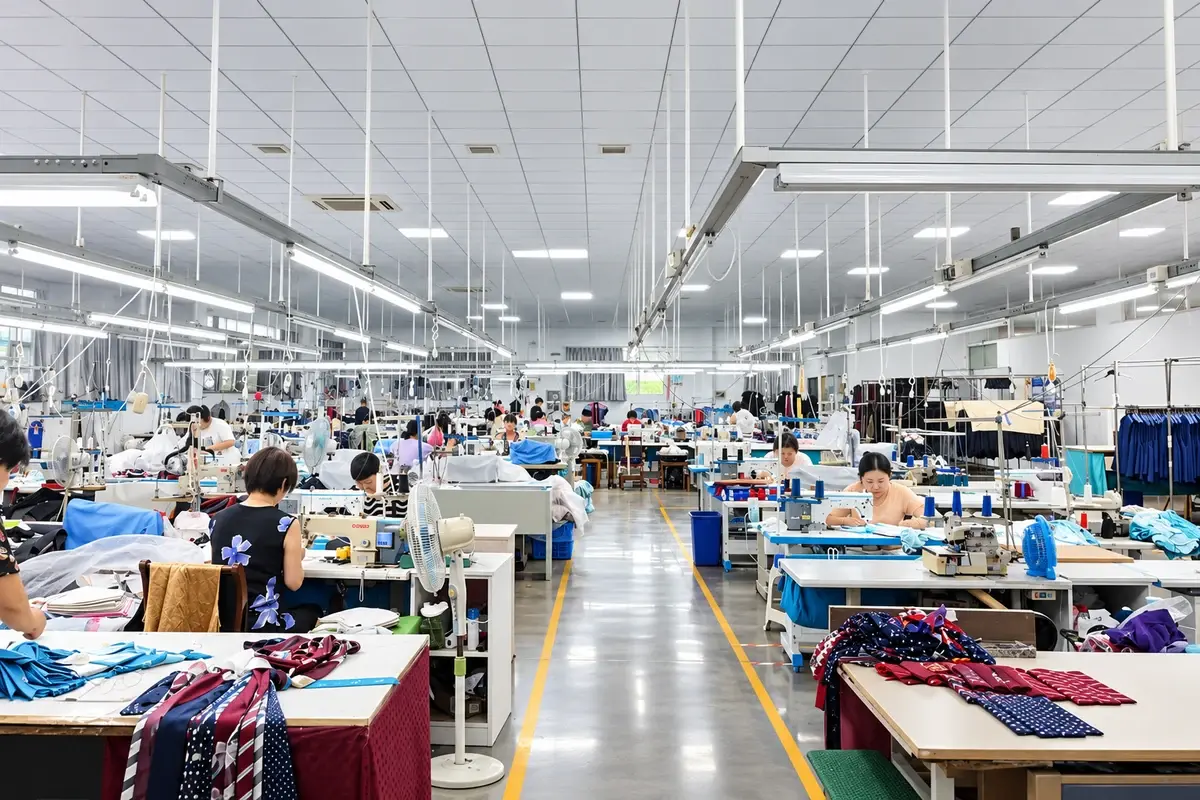
LuxoTie helps buyers define a 100% polyester tie by its surface, artwork, use, sizing, construction, labels, and packing, then manages sampling, production, and inspection while maintaining the approved specification for bulk orders.
Six Decisions to Define Your Polyester Tie
Confirm these points before sampling so the material specification, surface, artwork, finished tie, and repeat-order record all describe the same product.

1. Fiber Specification
Confirm 100% polyester for the outer fabric and identify any separate construction components that require project-specific review.

2. Surface and Weave
Compare hand feel, sheen, and drape to choose a woven texture, printed base, or smooth satin appearance for the intended uniform or brand setting.

3. Design Route
Decide whether the logo, stripe, repeat, illustration, or full-color artwork should be woven into the fabric or printed on its surface.

4. Finished Construction
Define width, length, blade proportion, interlining, tipping, stitching, labels, and any child or special sizing needed for the program.

5. Program Consistency
Record colors, dimensions, artwork revision, labels, packaging, size groups, and department packing in one master specification for later orders.

6. Approved Sample
Approve the actual surface, color direction, hand feel, drape, knot, dimensions, construction, labels, and packing before bulk production.
Compare Four Custom Polyester Tie Routes
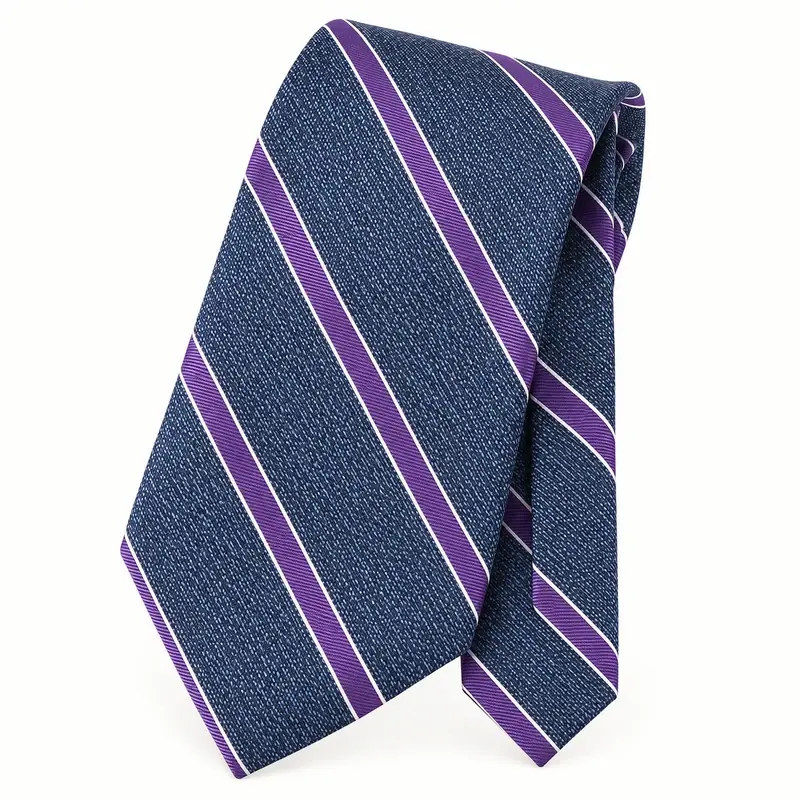
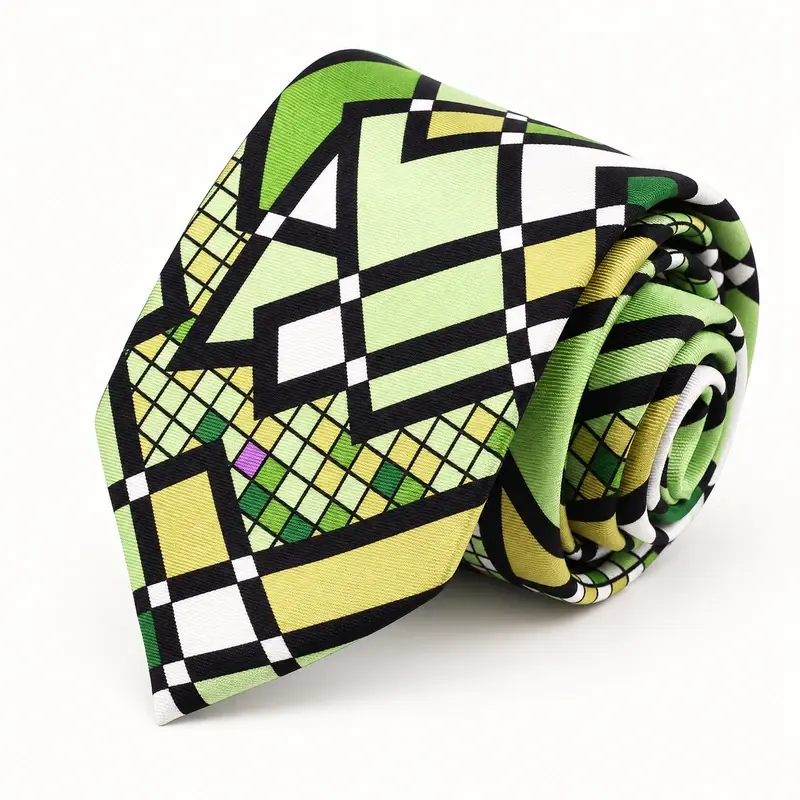
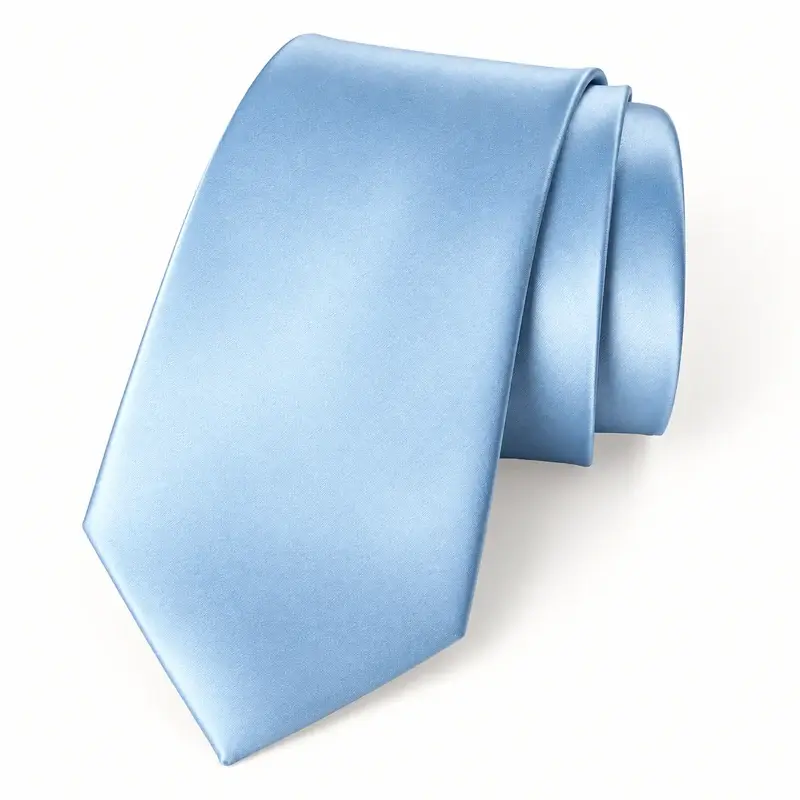
Choose by design and use. Woven, printed, and satin describe the surface or artwork route, while uniform ties use the selected construction for a team or repeat program.
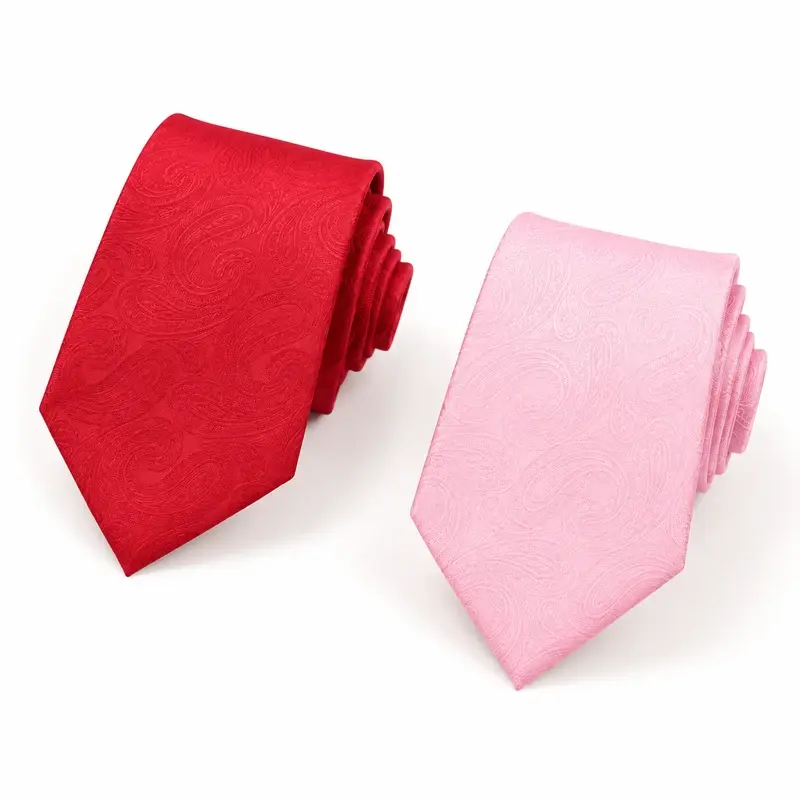
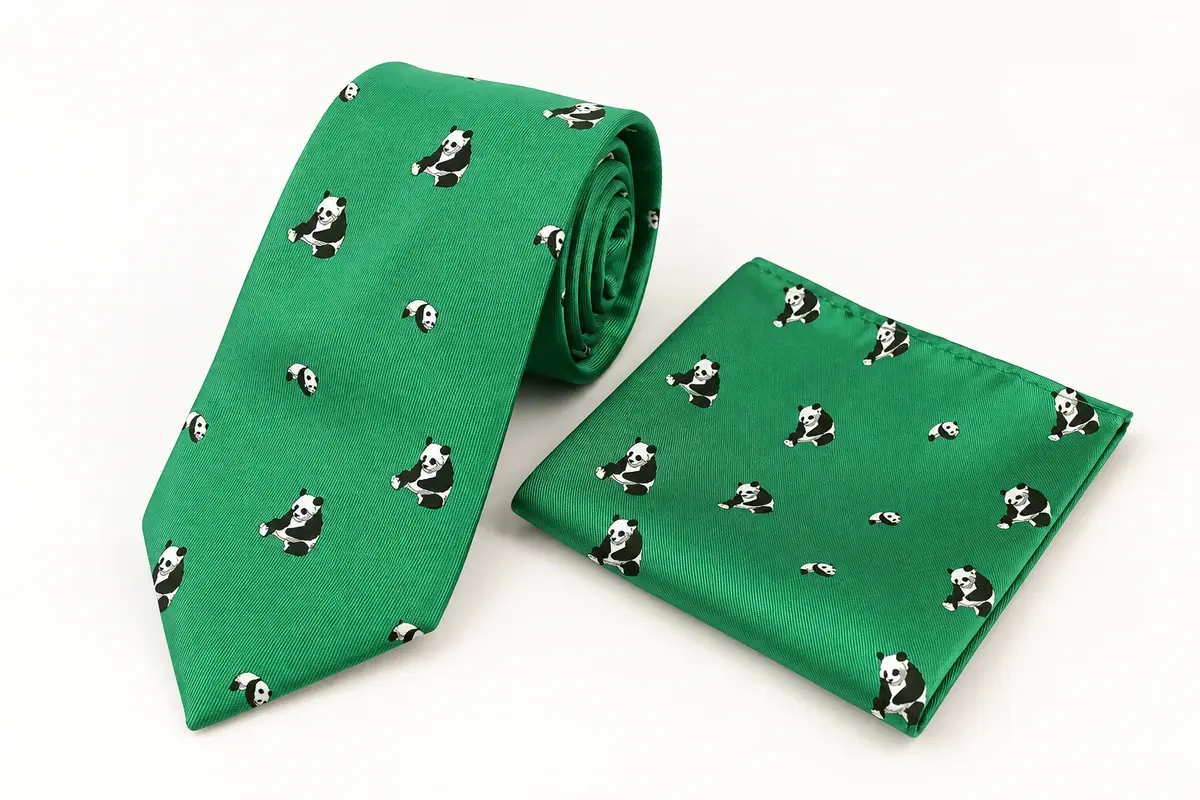
Choose the Polyester Surface and Design Route
Start with the intended appearance and artwork. Polyester can support different textures, sheen levels, print results, and project uses.
- Woven Pattern and Texture
Choose woven construction when yarn color, repeat, stripe, crest, logo, or tactile texture should form part of the fabric. - Printed Color and Detail
Choose printing for multicolor, gradient, illustrated, or complex surface artwork, subject to material compatibility and sample review. - Satin Surface Direction
Choose satin when a smoother, more lustrous surface supports the formalwear, hospitality, event, or uniform brief. - Uniform Program Use
Treat uniform as the application route, then select the woven, printed, or satin result that suits the team and specification.
Build a Repeatable Specification for Uniform or Volume Orders
For repeat orders, record the approved construction, artwork, labeling, packing, and allocation details used for each production run.
- Lock the Master Specification
Record material surface, artwork version, color references, width, length, interlining, tipping, stitching, and approved tolerances for the project. - Define Wearer Groups
Confirm adult, child, or special lengths, width options, quantity by group, and any department or location allocation. - Standardize Labels and Packing
Approve main labels, care labels, hang loops, hang cards, individual wrapping, cartons, and group packing before production. - Control Repeat-Order Changes
Reference the approved sample and prior specification, then identify any new color, size, label, artwork, quantity, or packing change in writing.
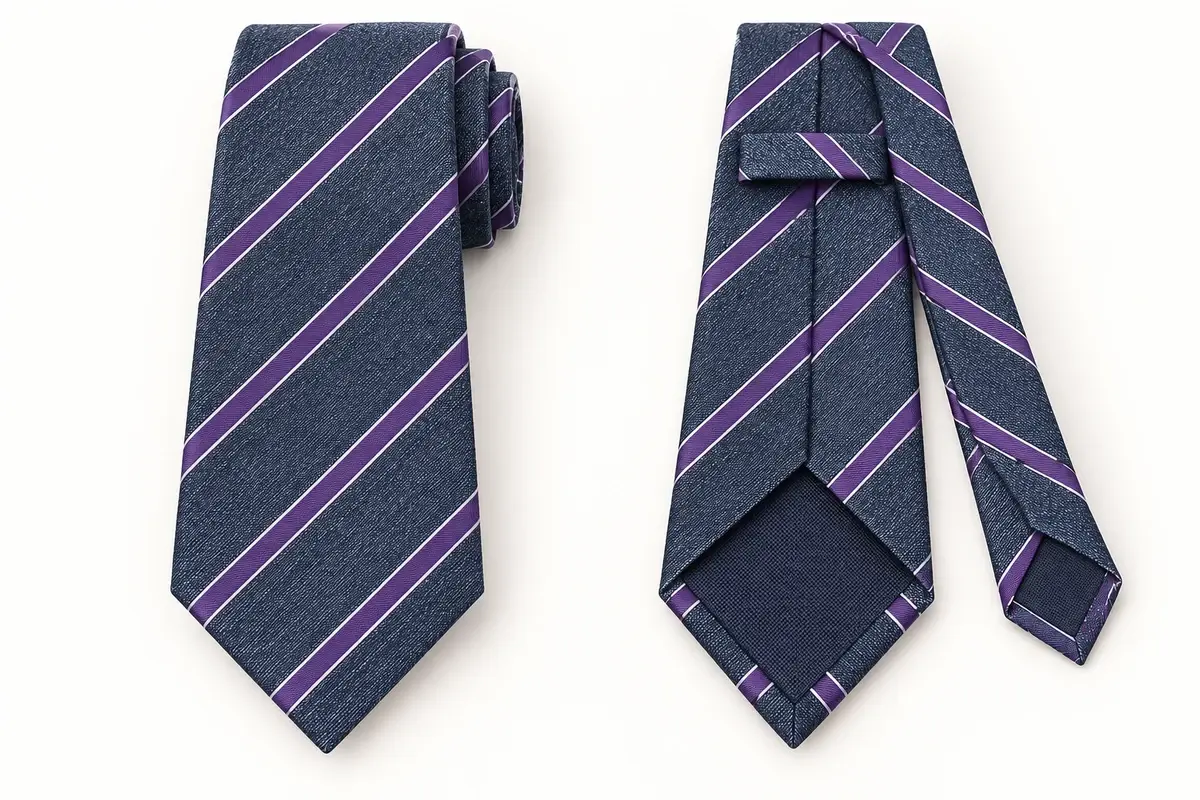
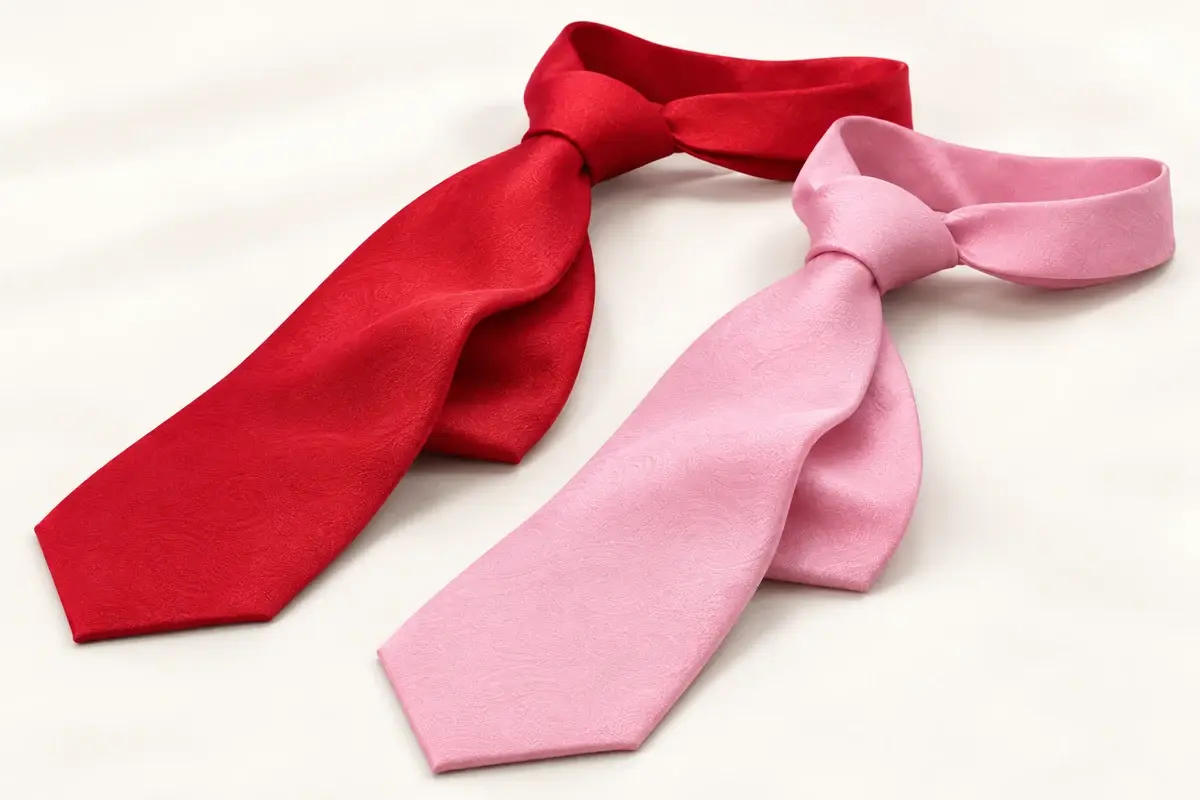
Approve Hand Feel, Drape, and Finished Appearance
Polyester identifies the fiber, not the finished appearance. Review the physical sample under the intended wearing conditions before approving the production standard.
- Surface and Hand Feel
Compare smoothness, texture, thickness, sheen, and surface direction on the selected fabric rather than relying on the material name alone. - Color in Real Light
Review woven or printed color references under practical lighting because surface texture and sheen can change the visible result. - Drape and Knot
Check interlining, blade proportion, drape, knot size, tip shape, and how the tie sits with the intended uniform. - Finished Reference
Approve dimensions, stitching, tipping, labels, packing, and the exact sample version that will guide bulk inspection and later orders.
Three Polyester Surface Routes
Compare the three visible surface or artwork routes below. Uniform ties use one of these results as part of a team or repeat-order specification.
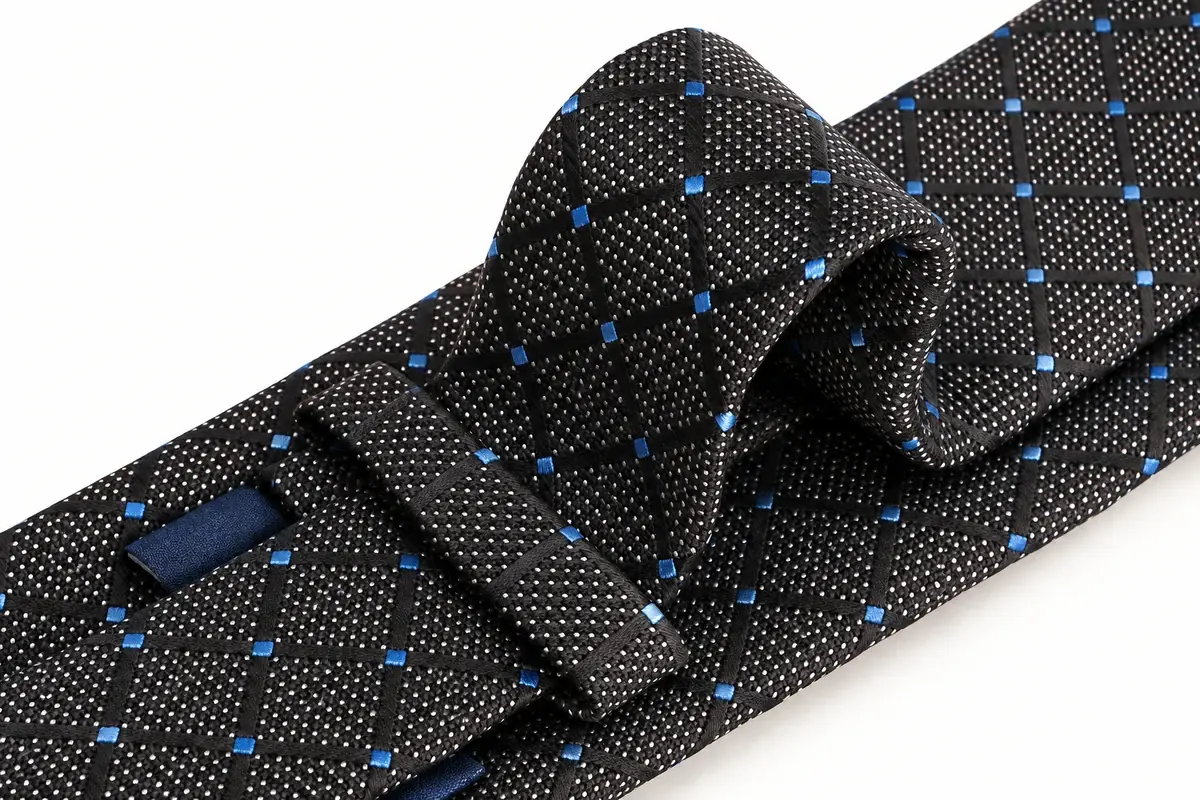
Woven Polyester Surface
Builds logos, stripes, repeats, and texture through the fabric structure, with yarn color, scale, and weave clarity approved before bulk production.
Discuss Woven Polyester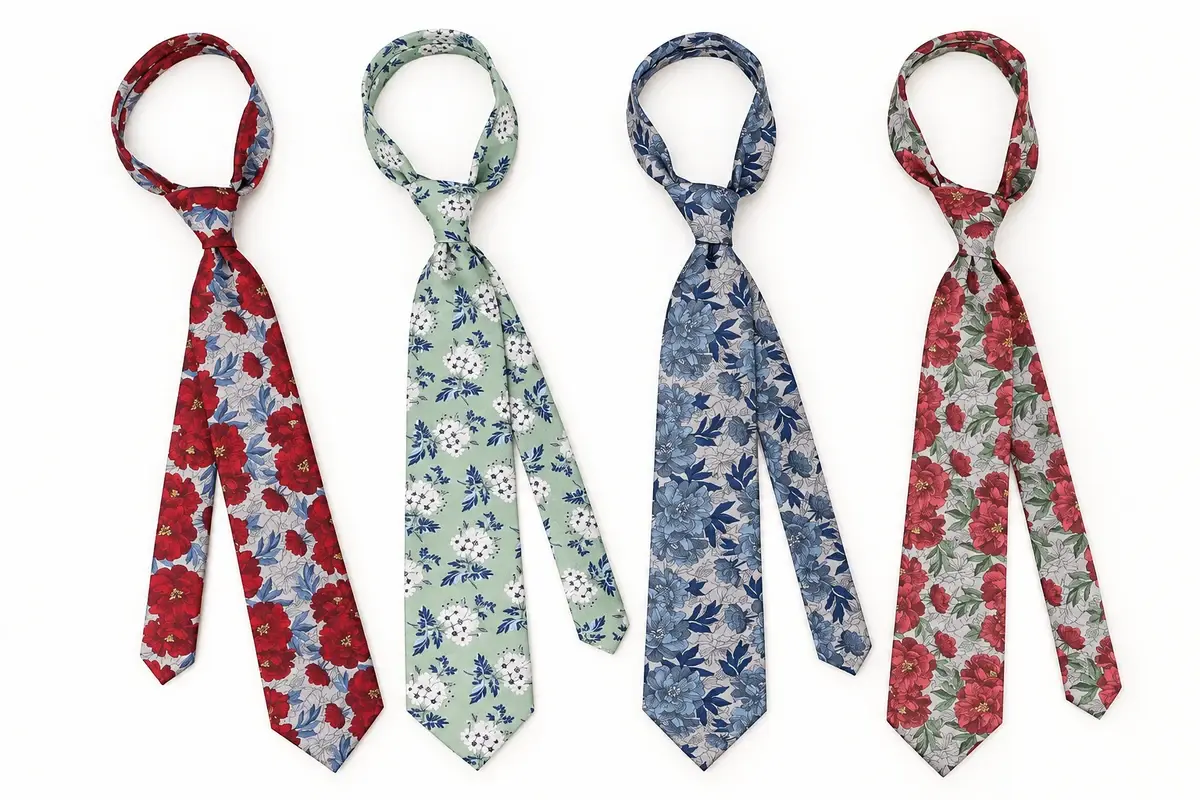
Printed Polyester Surface
Applies detailed, multicolor, gradient, or all-over artwork to a compatible polyester base, with color, placement, and physical sample results approved.
Discuss Printed Polyester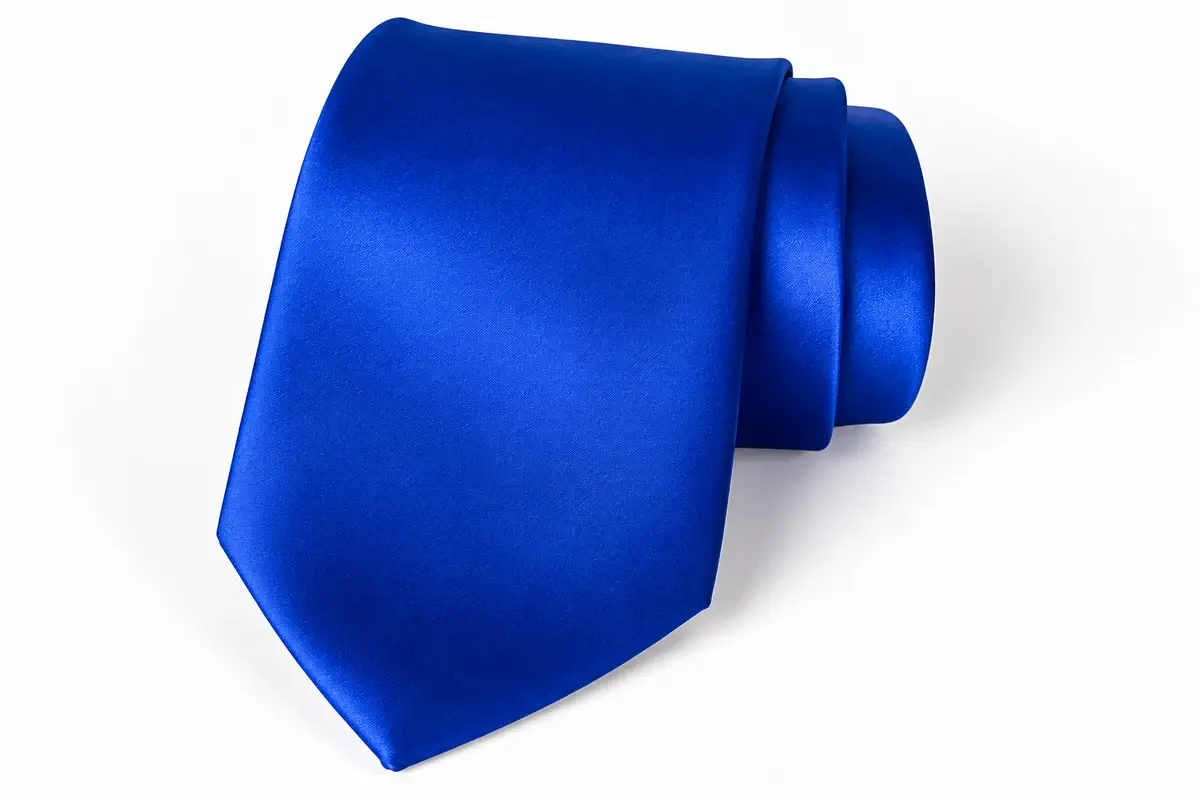
Satin Polyester Surface
Uses a smoother, more lustrous surface for formalwear, hospitality, event, or uniform programs, with sheen, hand feel, drape, and color reviewed in person.
Discuss Satin Polyester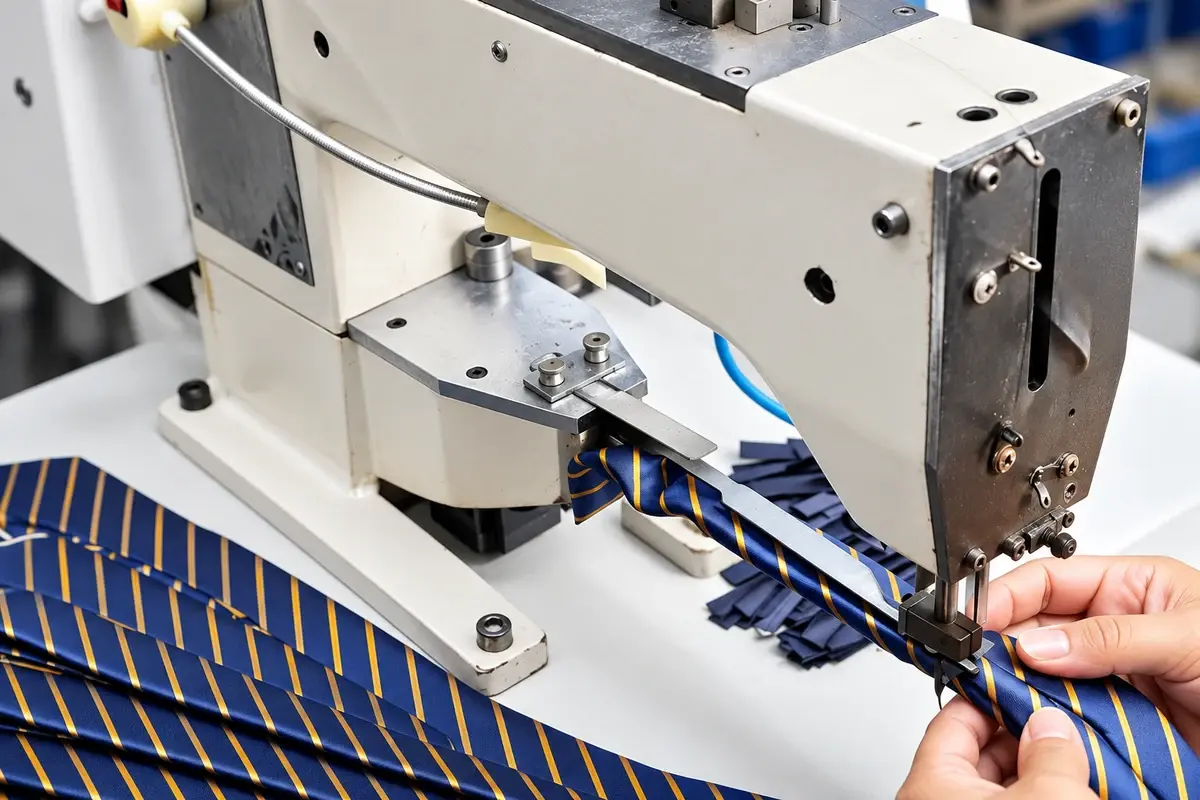
Polyester Tie Production and Quality Checks
LuxoTie manages woven or printed development, cutting, interlining, sewing, pressing, labeling, inspection, and packing. IQC, IPQC, and FQC review material, color direction, artwork, dimensions, construction, surface appearance, labels, allocation, and packaging against the approved project reference.
Start Your Custom Polyester Tie Project
Send your polyester tie requirements and estimated quantity.
Request a Custom Quote