
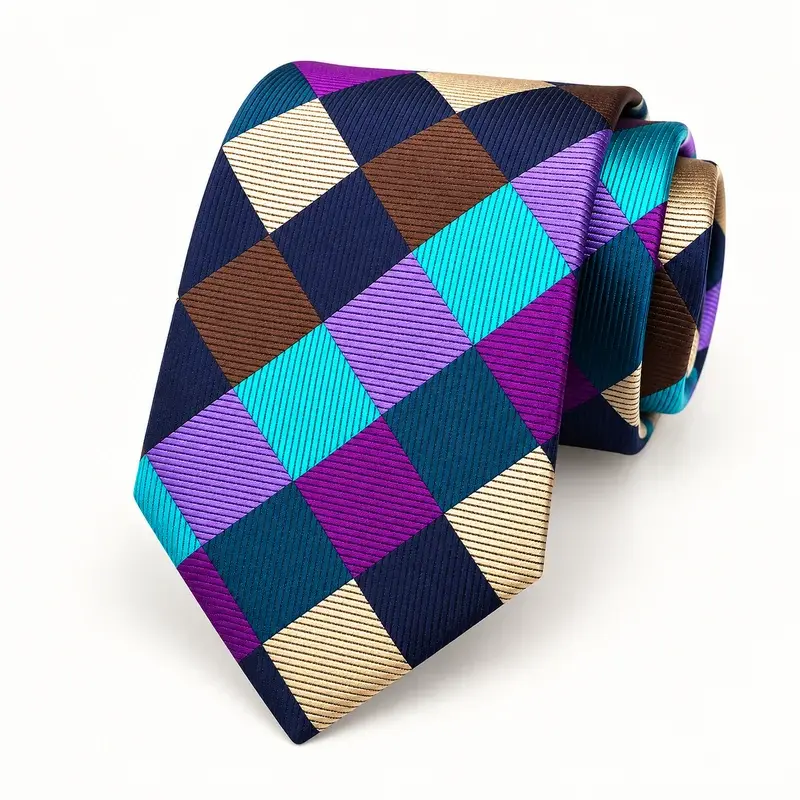
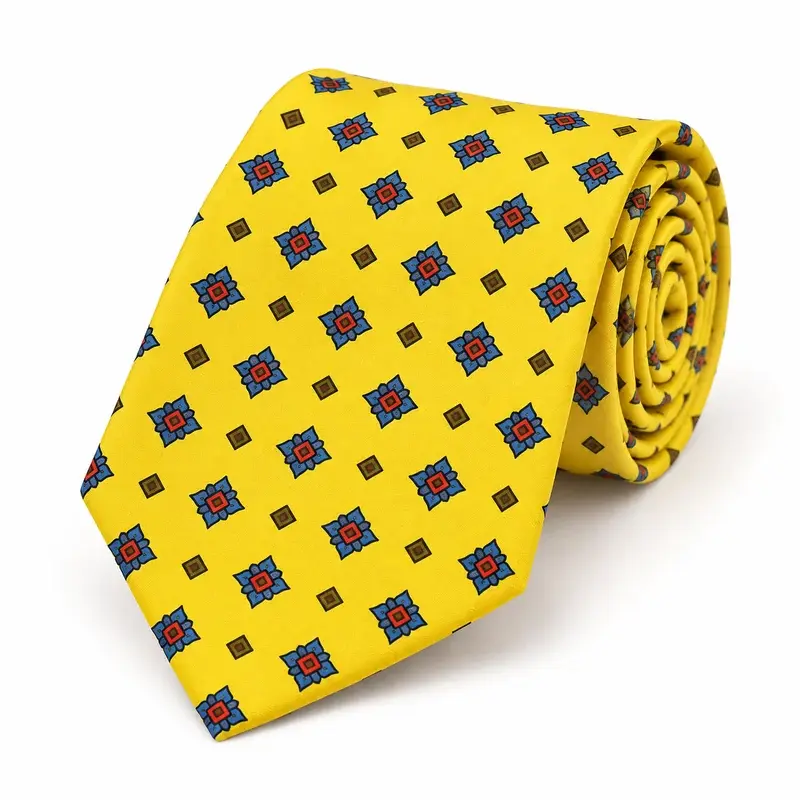
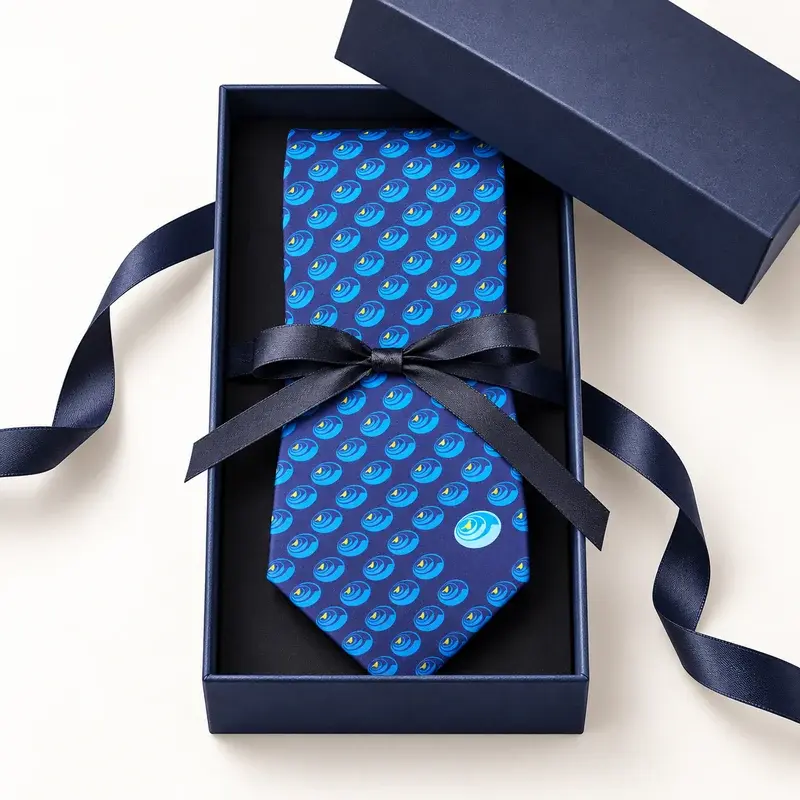
Custom Printed Polyester Ties
Choose digital direct, heat transfer, or screen printing for full-color or spot-color artwork on 100% polyester, then approve the layout and print sample.
- Material: 100% Polyester
- Print Methods: Digital Direct Printing, Heat Transfer, or Screen Printing
- Artwork: Full Color or Spot Color
- Finished Size: 6–10 cm wide; 135–155 cm long
- Approval: Approved Print Sample
Final timing depends on artwork readiness, sample revisions, quantity, labels, packaging, and written approval.
Request a Quote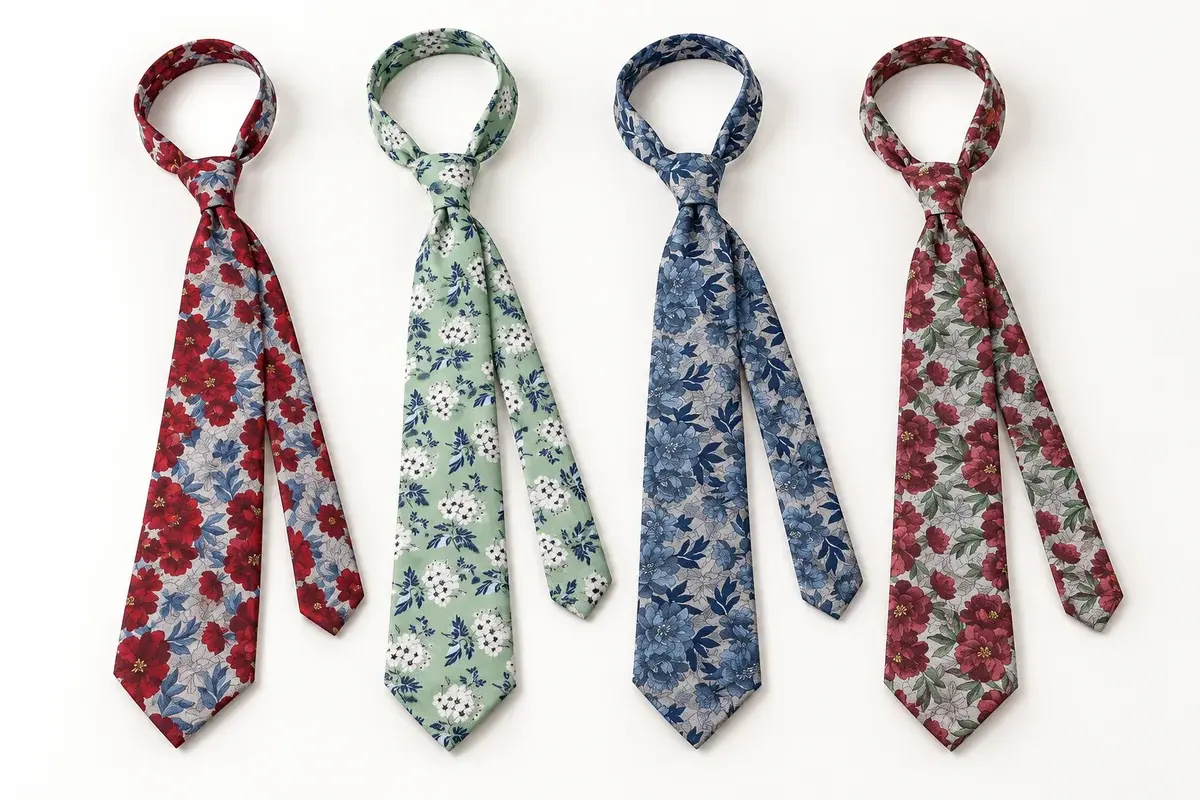
Map Artwork to the Finished Tie
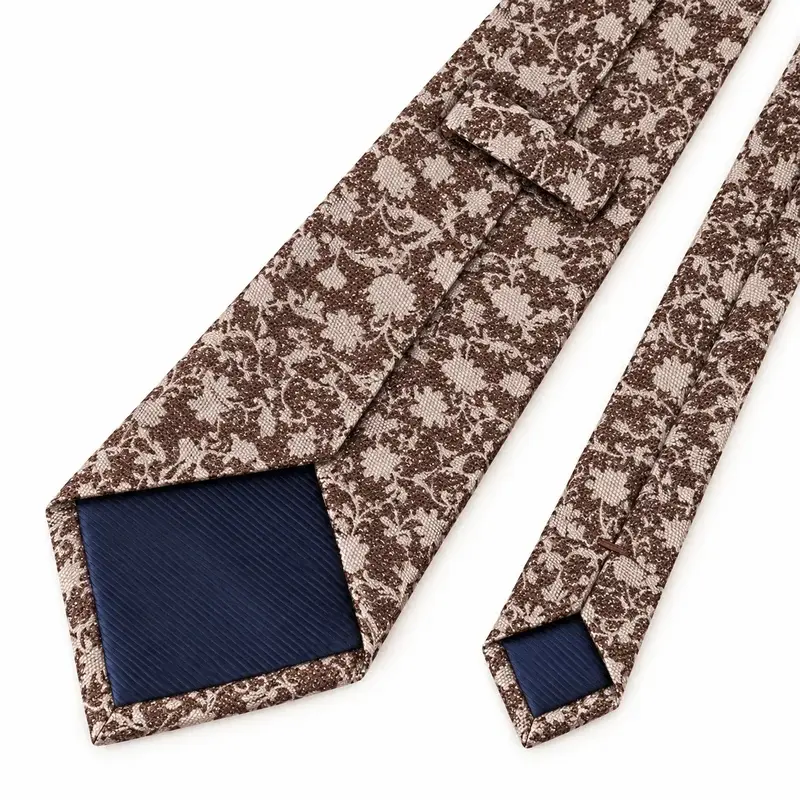
Scale artwork across the tapered blade, knot, neck, and small blade. Before approving the file, check what remains visible after cutting, folding, sewing, and tying.
Polyester Print and Finishing Details
Printed polyester ties combine custom artwork with practical branding and packing options. The print method follows the fabric and design requirements.
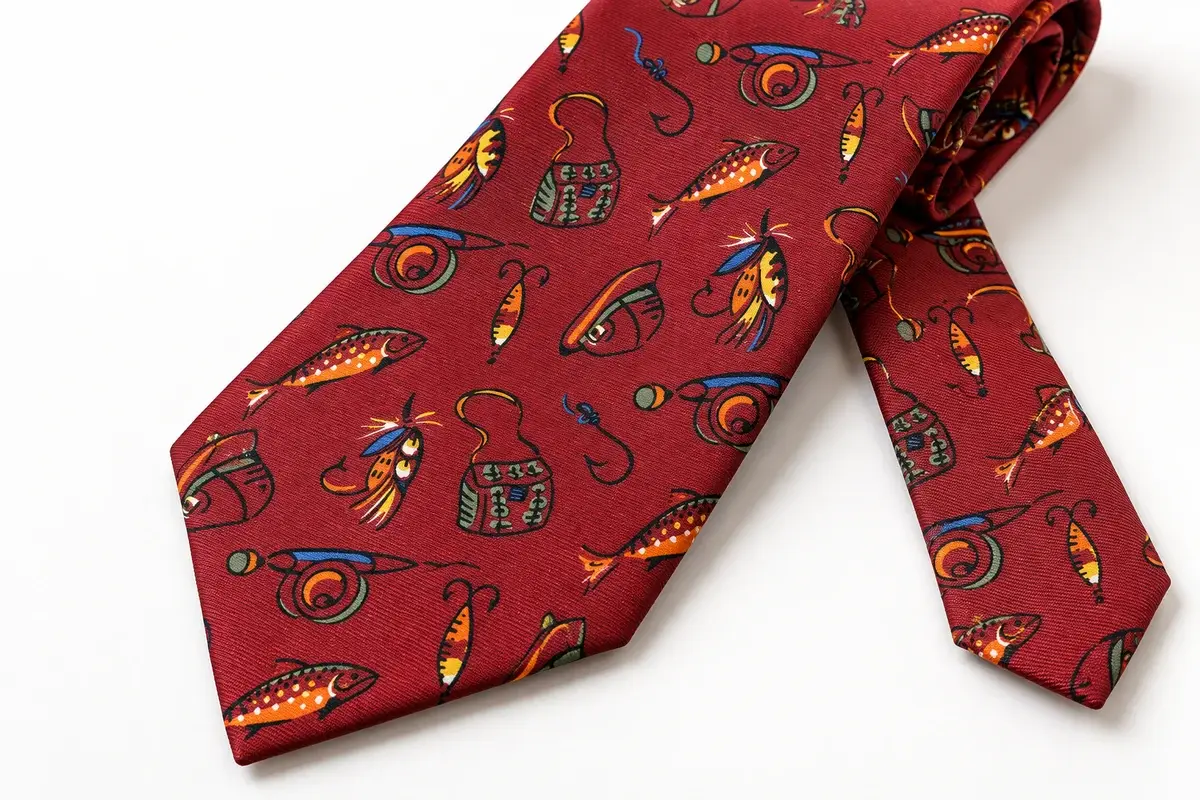
Custom Printed Graphics
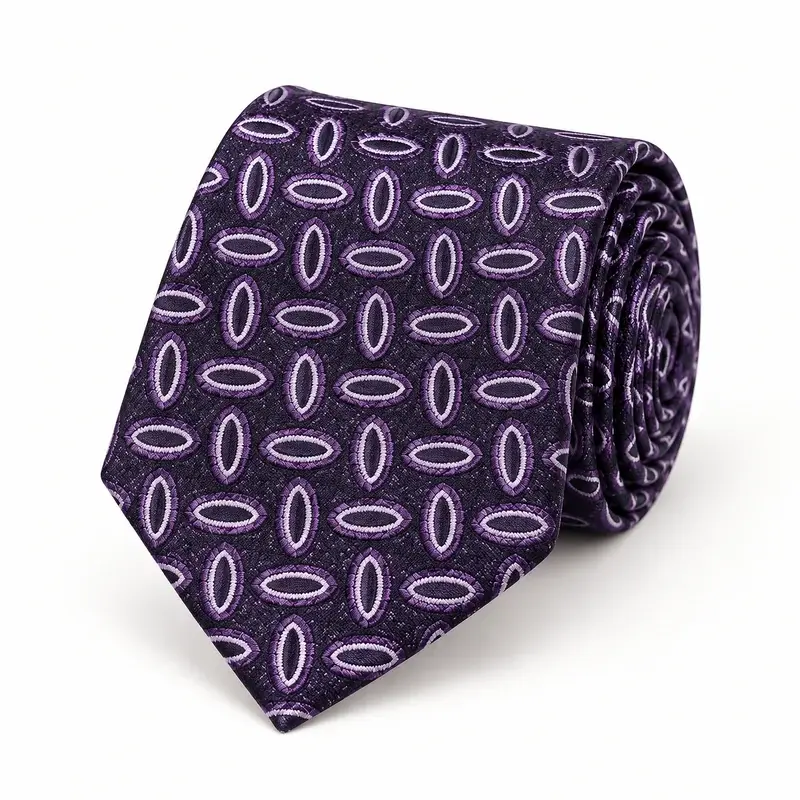
Logos, stripes and full-color designs can be developed for the selected print process. Artwork detail, placement and color references guide the printed result.
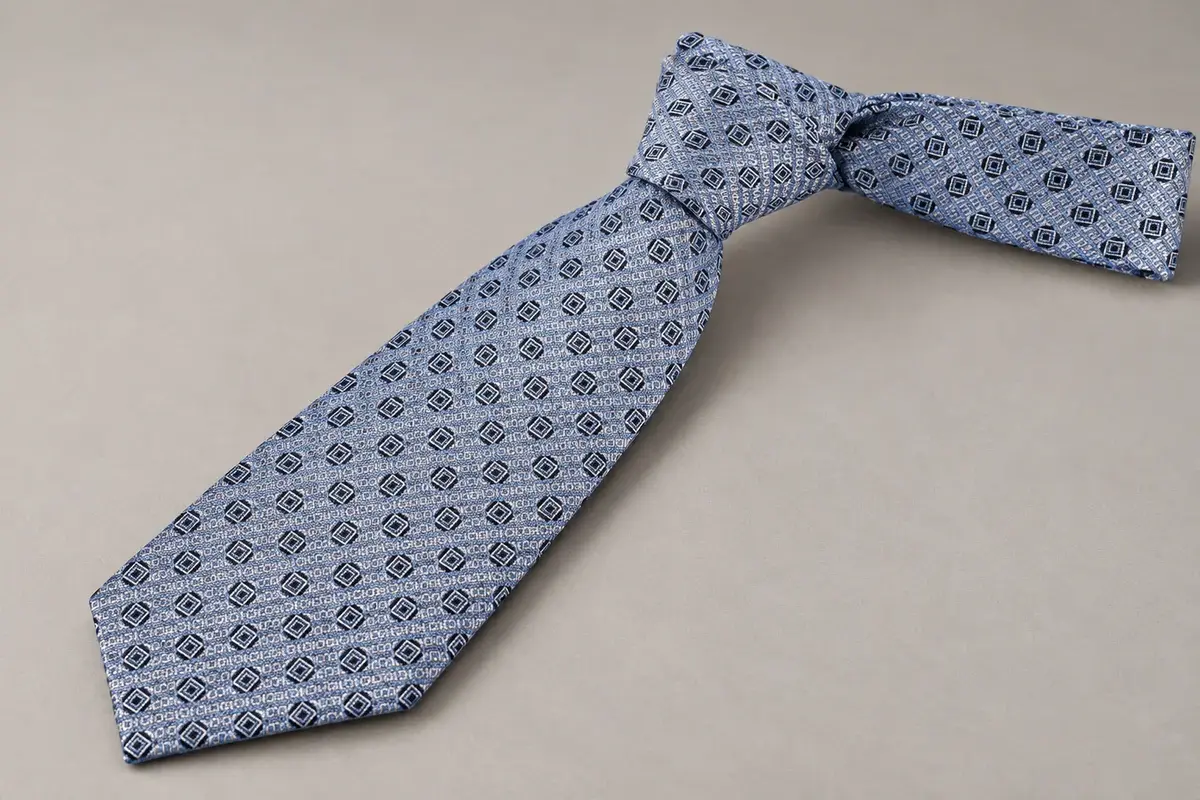
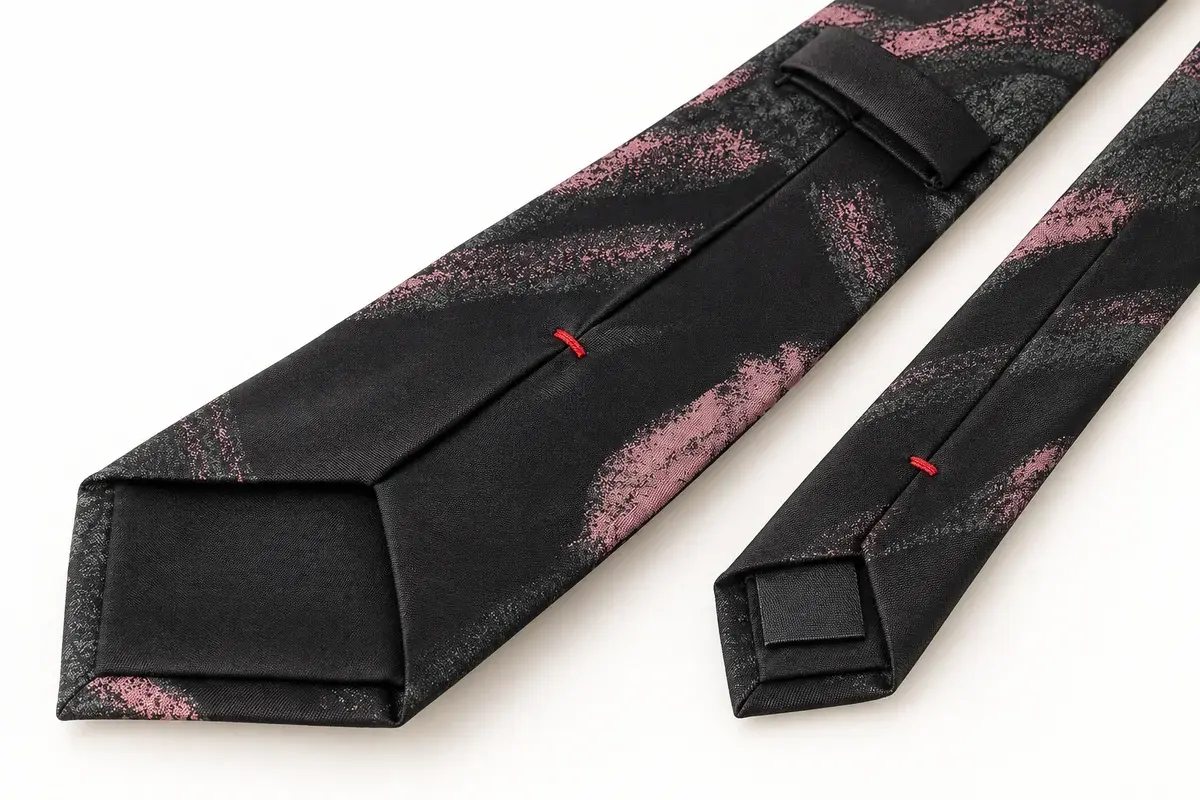
Finished Blade and Edges
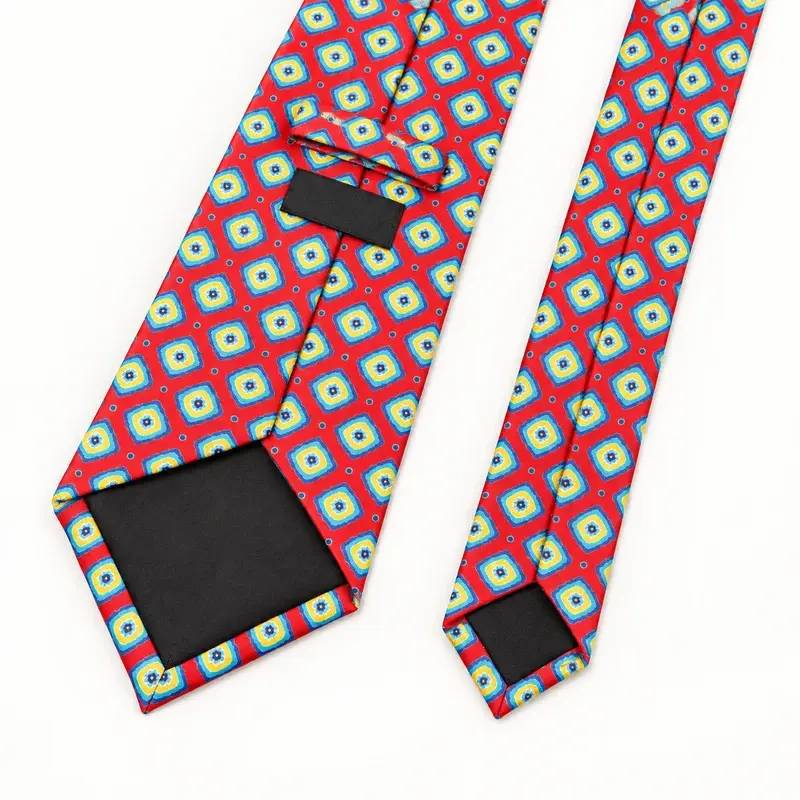
Width and length determine the space available for the design. Cutting, folding and stitching turn the printed fabric into the finished tie profile.
Private Labels and Packaging
Brand labels and individual packs can be added for uniforms, retail or events. Grouped cartons identify different artwork versions and delivery quantities.
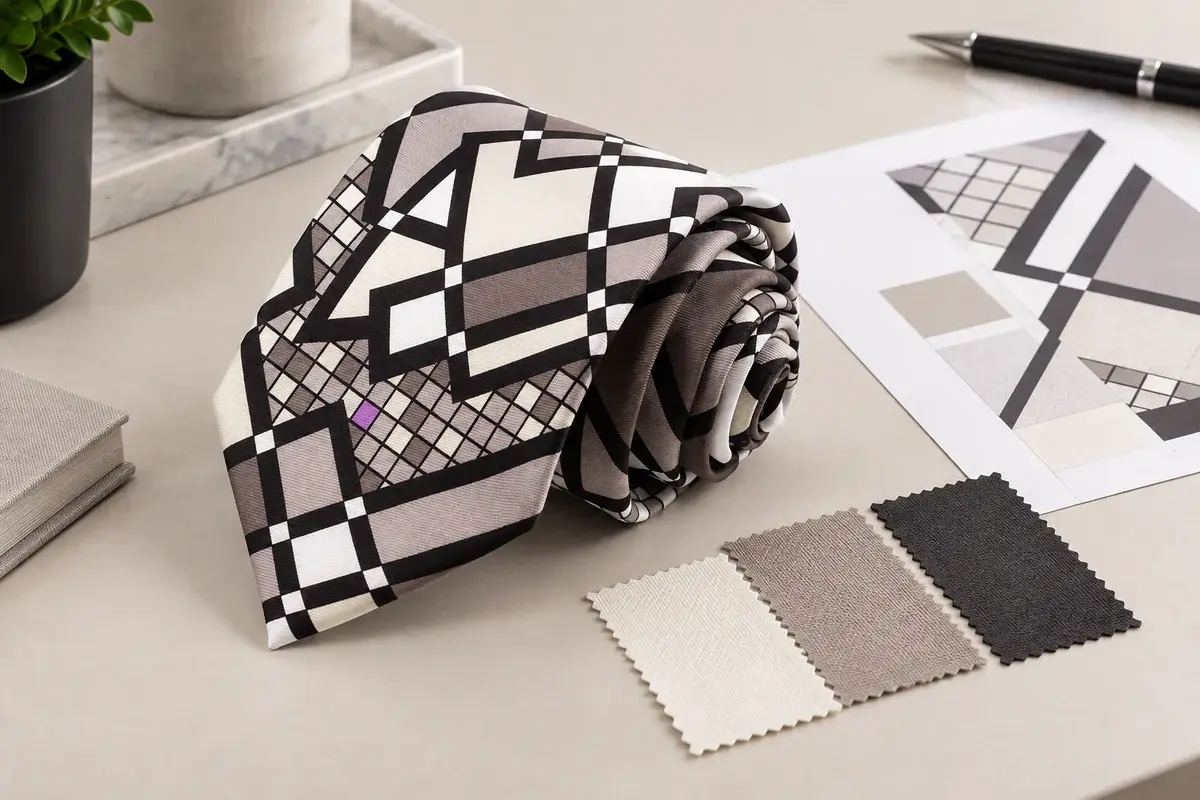
Choose the Print Route for Your Artwork
Select the process after reviewing color count, gradients, fine detail, coverage, polyester surface, quantity, and target appearance. The approved physical sample—not the screen preview—becomes the production reference.
- Digital Direct Printing
Multicolor graphics, gradients, illustrations, and detailed full-width artwork can use this method. Check fine detail, color, and the finished surface on the printed sample. - Heat Transfer
Compatible polyester projects can use multicolor graphics or repeated visual elements. Check material compatibility, image detail, surface appearance, and color on the physical sample. - Screen Printing
Bold logos, flat spot colors, and simple graphics suit this method. Approve color separations, position, coverage, and edges before bulk production.
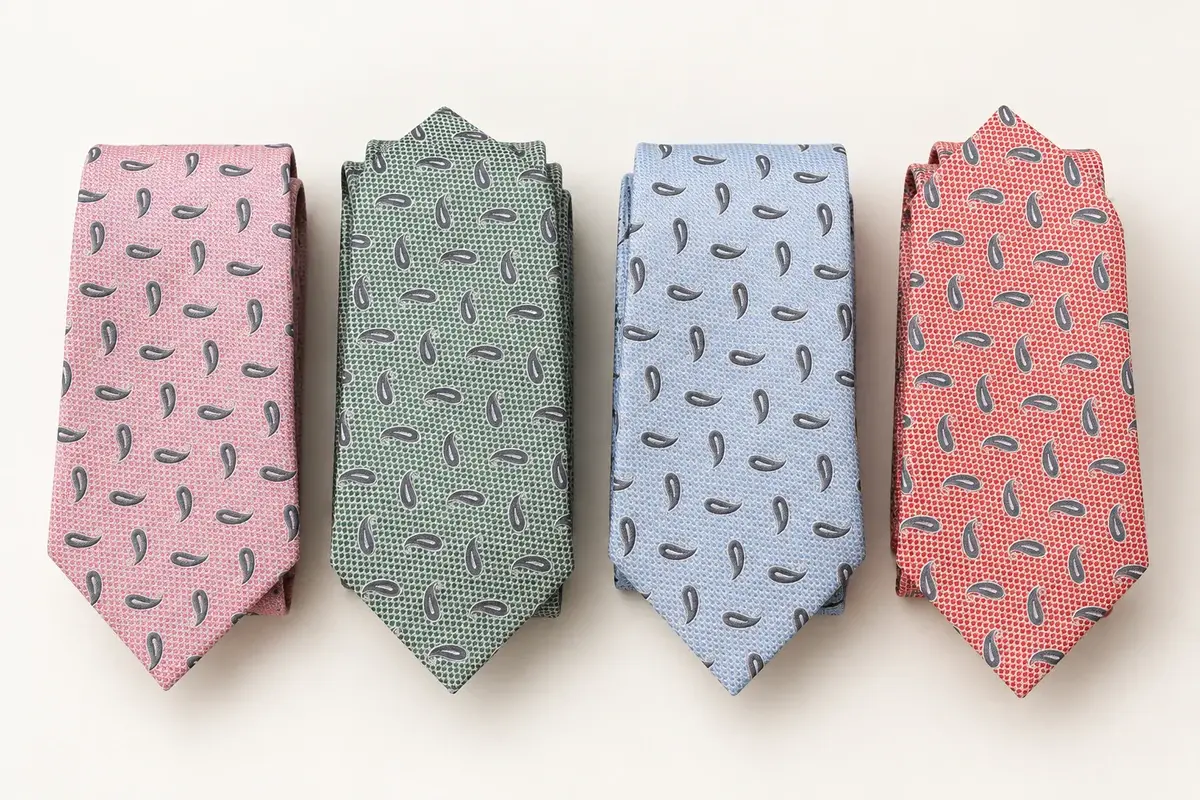
Build the Artwork Around the Tie Shape
Choose a layout that still reads correctly after the printed fabric is cut, folded, sewn, and tied. Mark the blade, knot, neck, small blade, edge, and seam zones on the approved file.
- All-Over Repeat
Repeating logos, motifs, patterns, or brand graphics need a defined scale, spacing, and direction. Check continuity at the edges of the tapered blade. - Front-Blade Placement
Position the main logo, emblem, illustration, message, or event graphic on the front blade. Check its size and visibility both hanging and knotted. - Striped or Geometric Layout
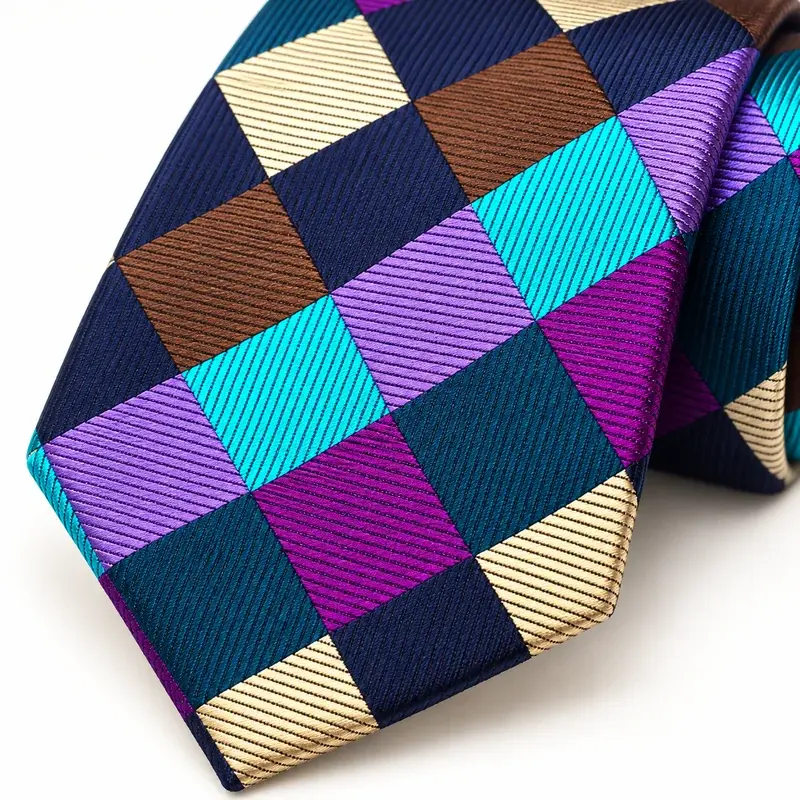
Corporate, school, club, and uniform-inspired graphics need a defined angle, scale, direction, and alignment before cutting. - Single Logo or Emblem
A single focal point gives restrained branding. Keep critical details clear of folds, seams, edges, and the knot.
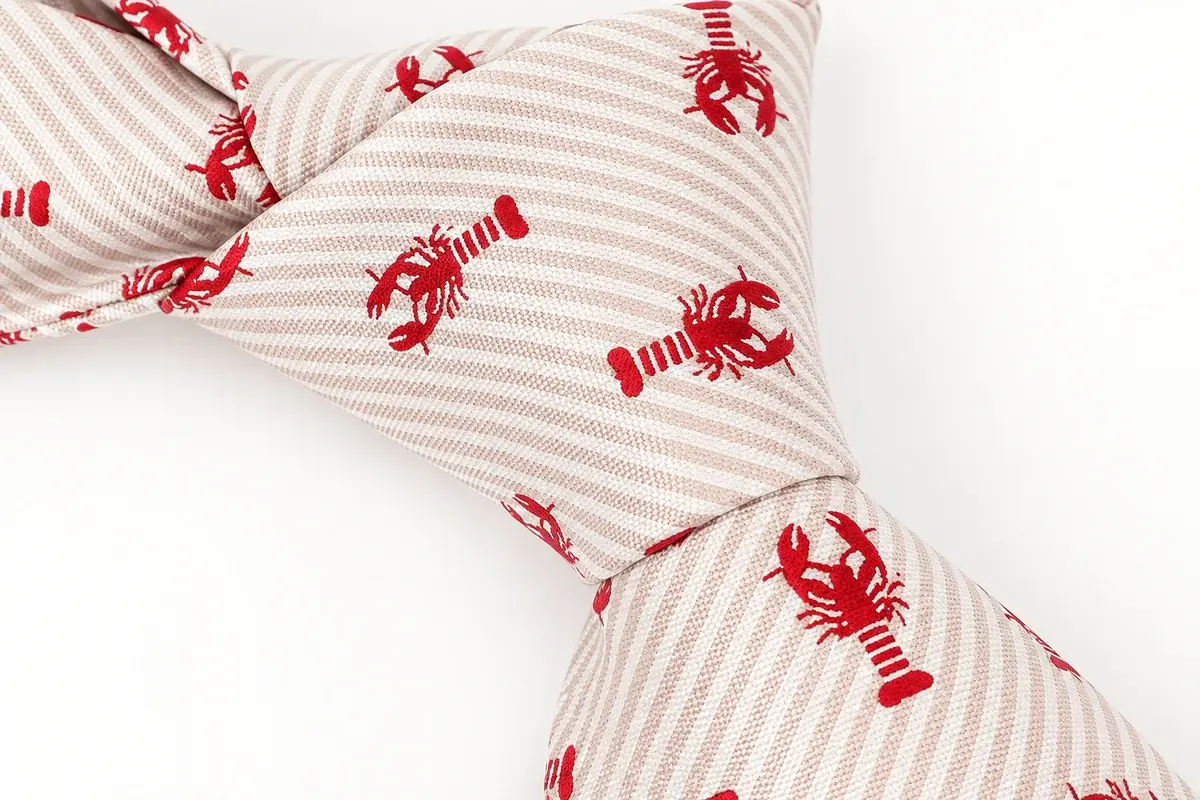
Approve Color and Fine Detail on the Material
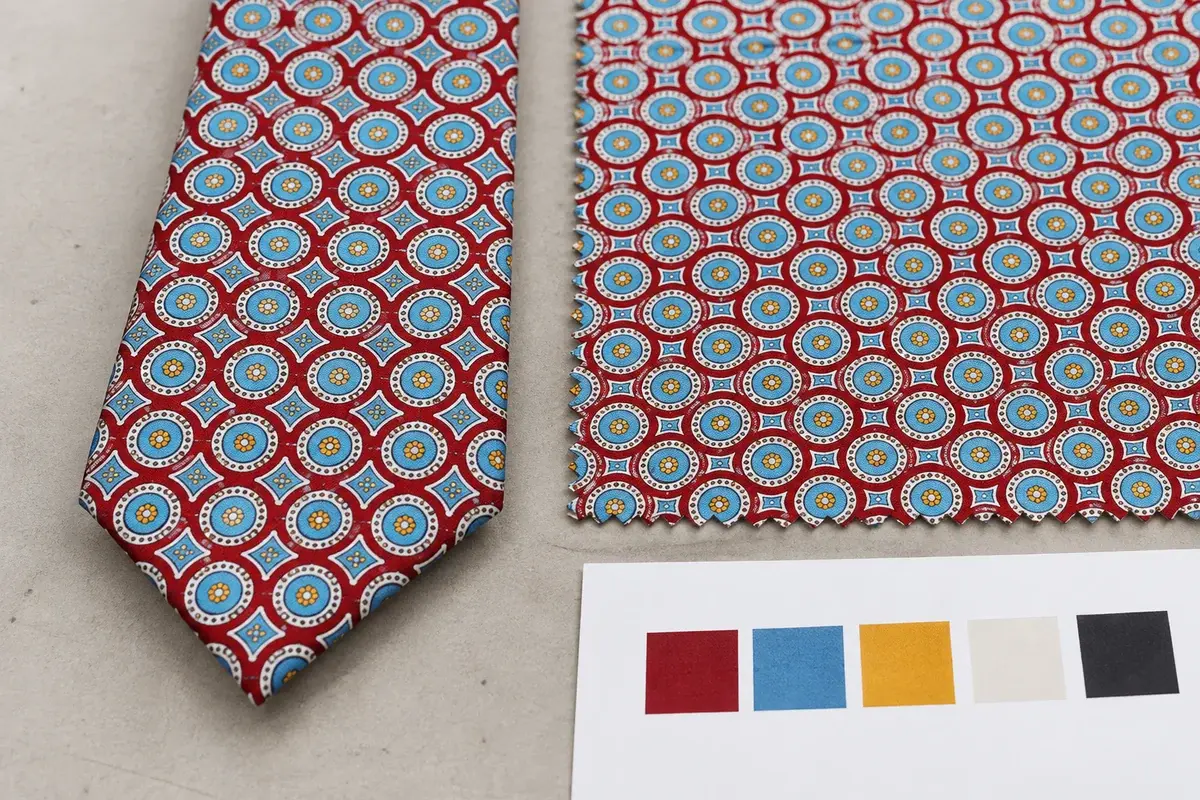
Digital displays vary, and printed color changes with the artwork, process, and polyester surface. Supply a clear reference, then approve color, gradients, small details, edges, and contrast on the actual print sample.
- Pantone Reference
Supply defined brand or spot-color targets, then approve the closest practical result on polyester. - Physical Color Reference
Mark the target area on the tie, fabric, packaging, or brand item to be matched. Surface and lighting affect the comparison. - Approved Print Sample
Approve color, scale, placement, detail, and surface appearance in writing before bulk production.
Set the Finished Width and Length
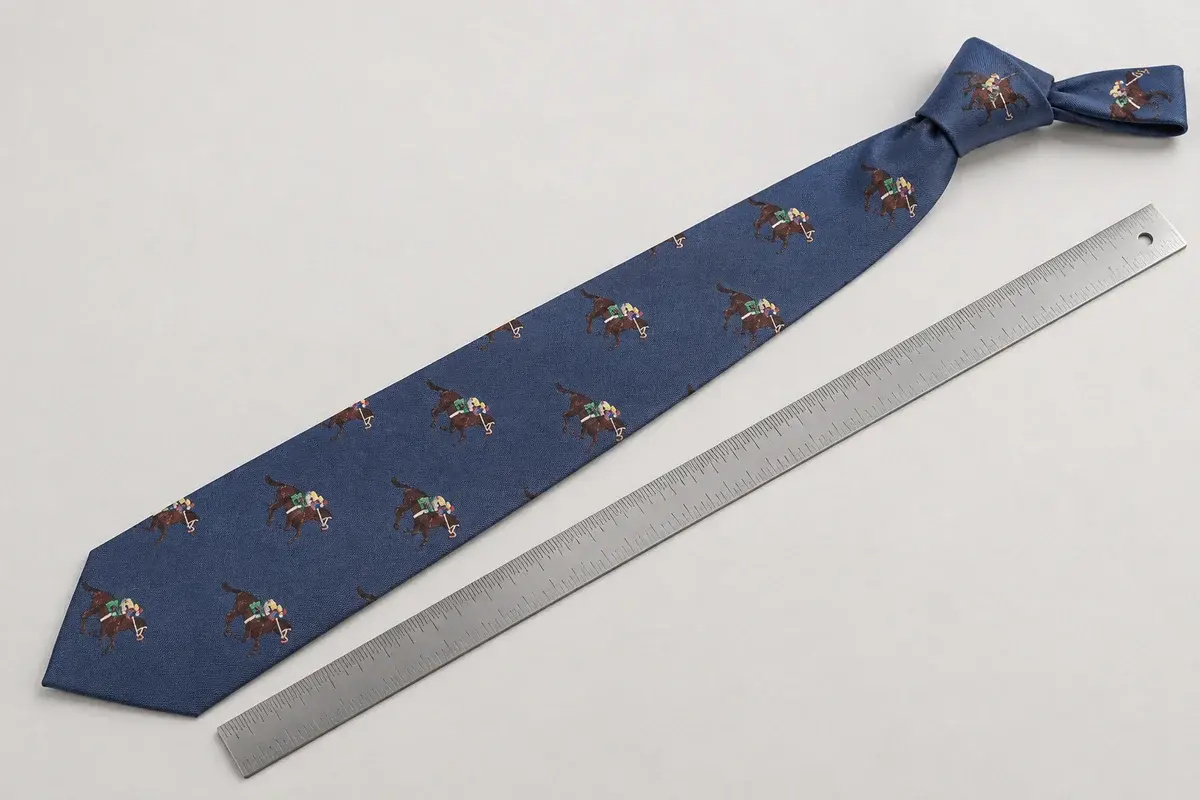
Choose width and length together with the artwork scale, blade proportion, intended knot, wearer group, and reference tie. Record the approved dimensions so the print layout and finished silhouette stay aligned.
- 6–7 cm Slim Widths
Narrow ties suit younger, promotional, or fashion styling. Check small logos and motifs at the selected width. - 8 cm General Width
An option for corporate, retail, or event distribution. Review the complete blade on the sample alongside its width. - 9–10 cm Full Widths
A fuller blade for traditional styles, larger graphics, formal dress, or uniforms. Rebalance motif scale and spacing for the chosen width. - 135–155 cm Lengths
Cover the confirmed regular adult length range for different wearer and fit requirements. Child and special lengths require separate review with the full width profile.
Match Packaging to Distribution
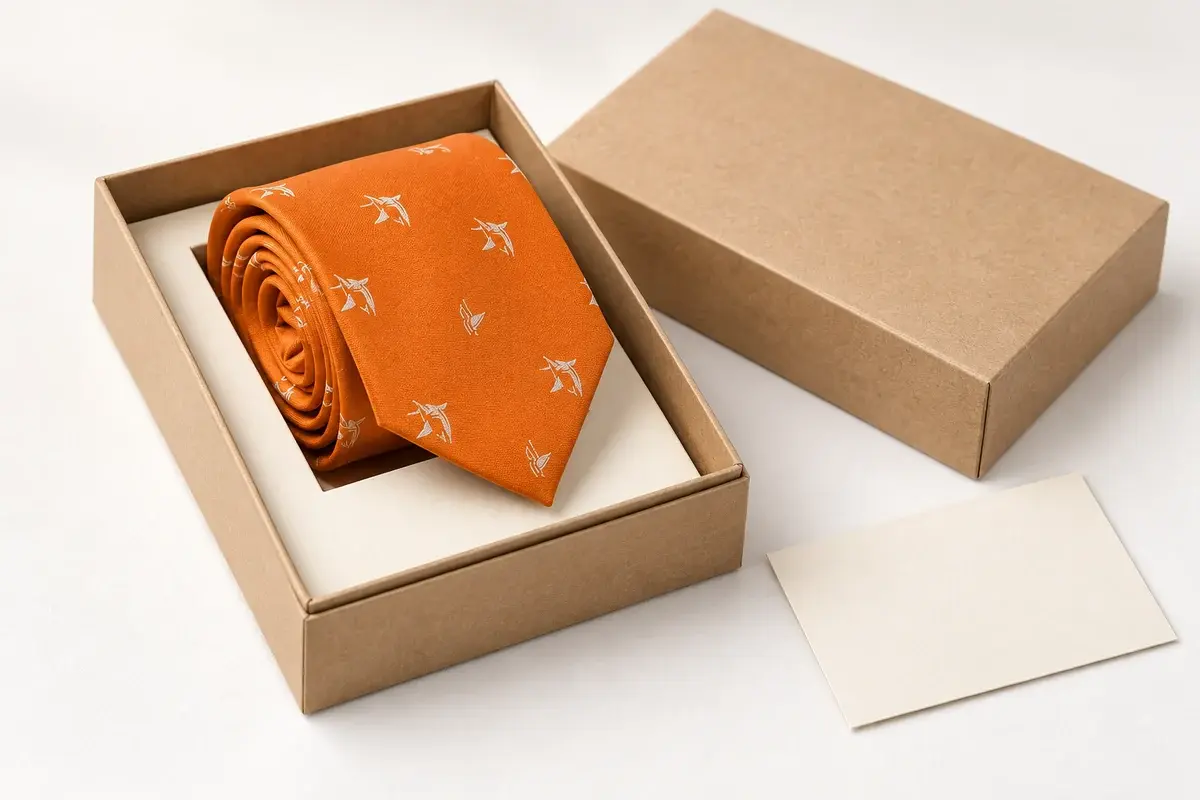
Select packaging after confirming whether the ties ship in bulk, go to individual recipients, enter retail channels, or support a gift program. Approve pack size, printed content, quantities, and carton marks before production.
- OPP Bag
Basic protection for bulk distribution. Confirm folding, quantity, labels, and carton grouping. - Paper Card
Add display information, instructions, or branding. Approve card size, content, attachment, and orientation. - Color Box
A printed outer box for retail branding. Confirm dimensions, artwork, finish, and units per carton. - Gift Box
Corporate gifts, events, or formal presentations may need a fitted box. Confirm insert position, box size, branding, and outer protection. - Display Box
Set the structure, unit count, printed panels, and shipping requirements for retail counters, sets, or promotions. - Cloth Bag
A reusable or private-label option. Confirm fabric, size, closure, and branding placement separately.
Related Custom Products
Compare sublimation, digital printed, pattern printed, and private label printed ties.
Approve the Print Before Bulk Cutting
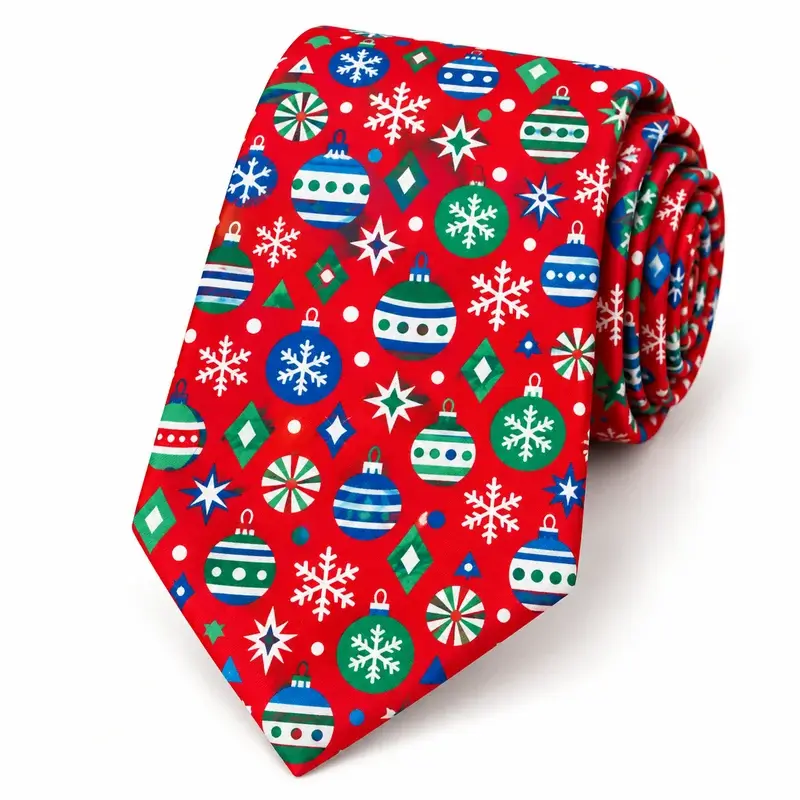
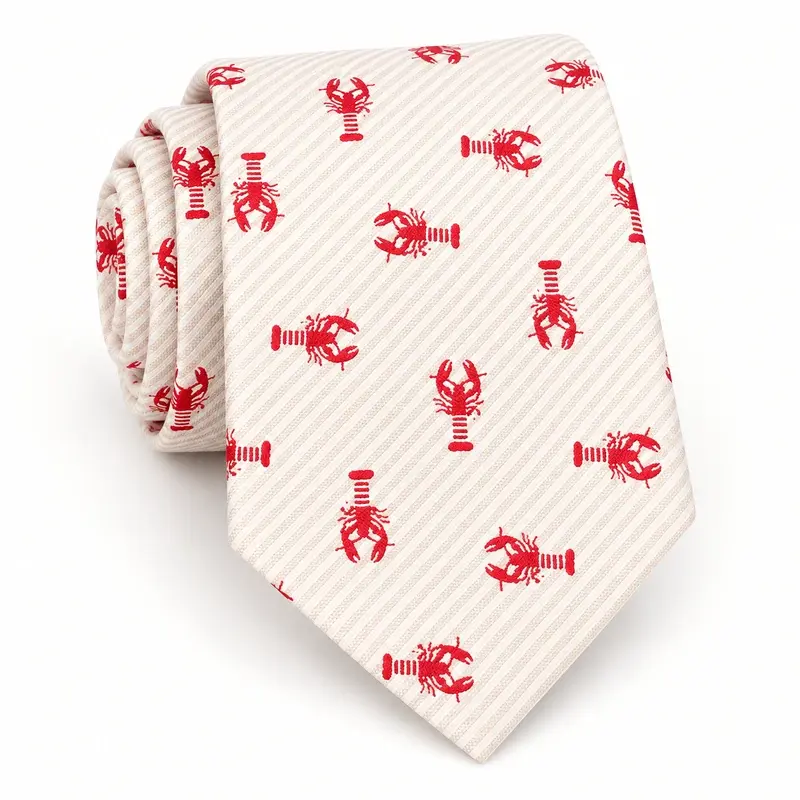
Review the physical print for color, detail, scale, direction, and placement before cutting. After approval, production follows the recorded artwork and tie specification through cutting, interlining, sewing, pressing, inspection, labeling, and packing.
Send Your Printed Tie Brief
Send your printed polyester tie requirements and estimated quantity.
Request a Printed Tie Quote