
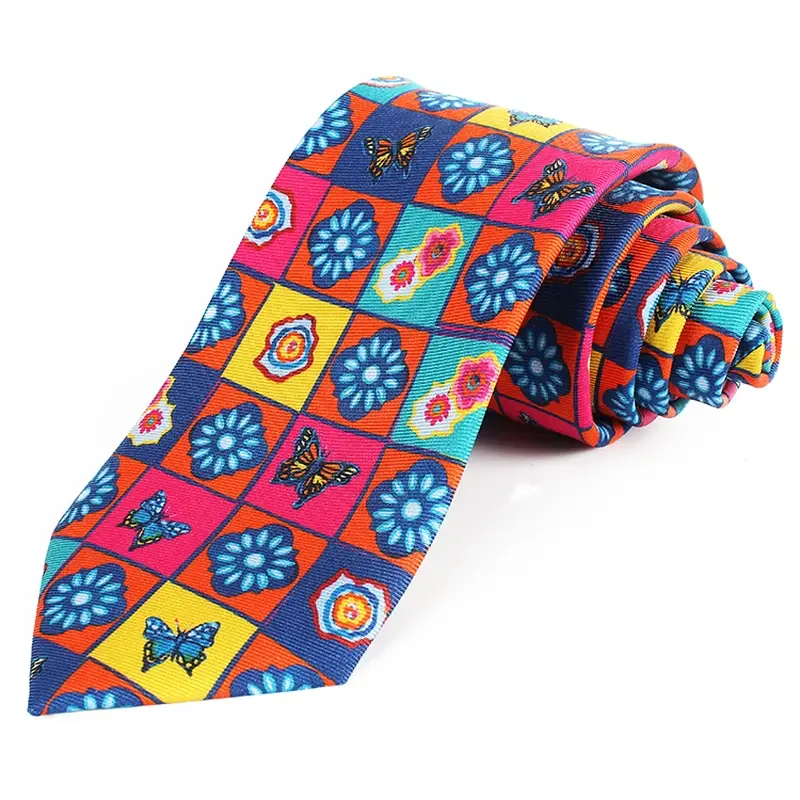
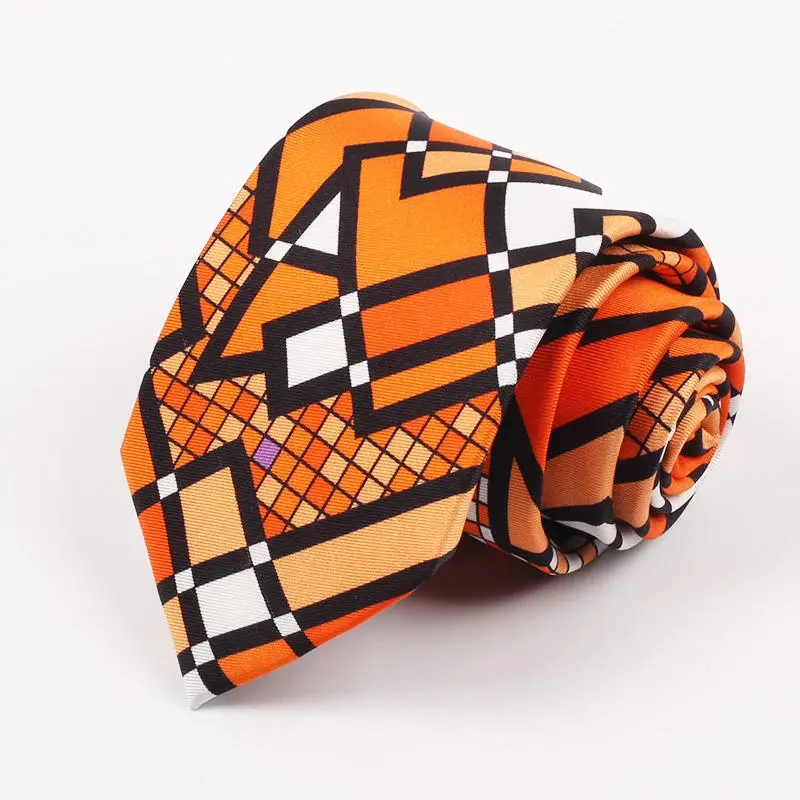
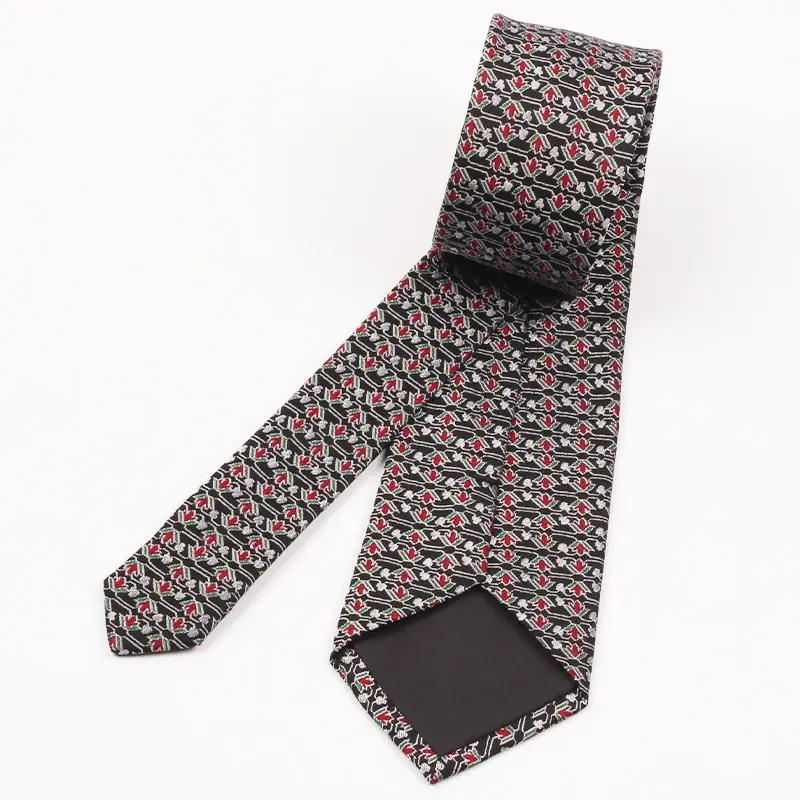
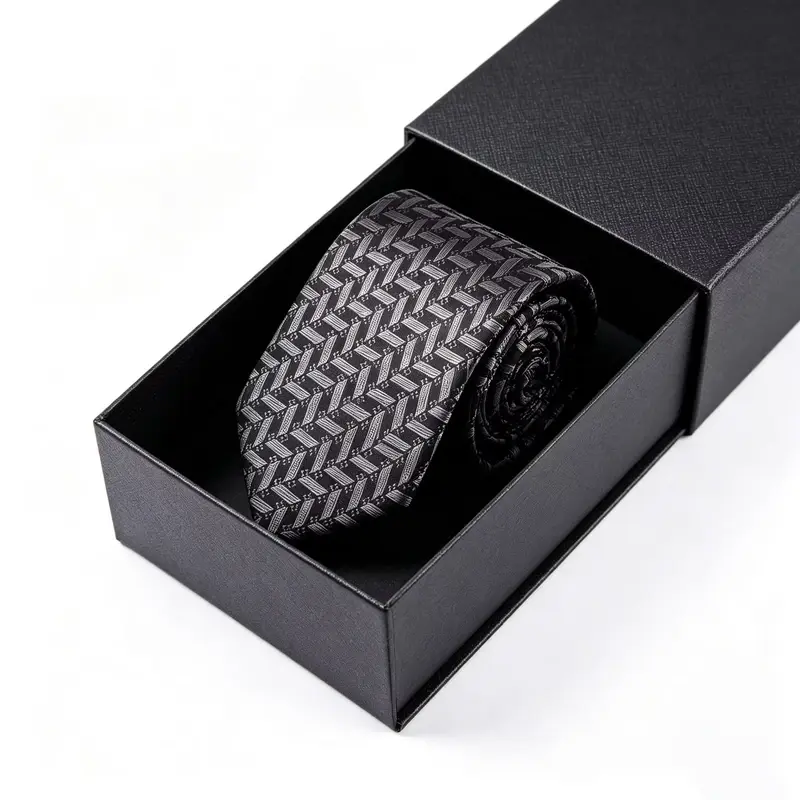
Custom Digital Printed Ties
Adapt full-color artwork, gradients, or illustrations to the tie’s tapered shape by confirming scale, repeat, placement, bleed, material, and color before sampling.
- Print Method: Digital direct printing
- Artwork: Multicolor artwork, gradients, fine details, or illustrations
- Materials: Polyester or silk-polyester blend
- Dimensions: 6–10 cm wide and 135–155 cm long
- Program Details: Labels, packaging, quantity, destination, and required date
Production timing starts after artwork, material, dimensions, color reference, packaging, and sample approval are confirmed. Complex artwork, special materials, quantities below 100 pieces, or special packaging require review.
Send Your Artwork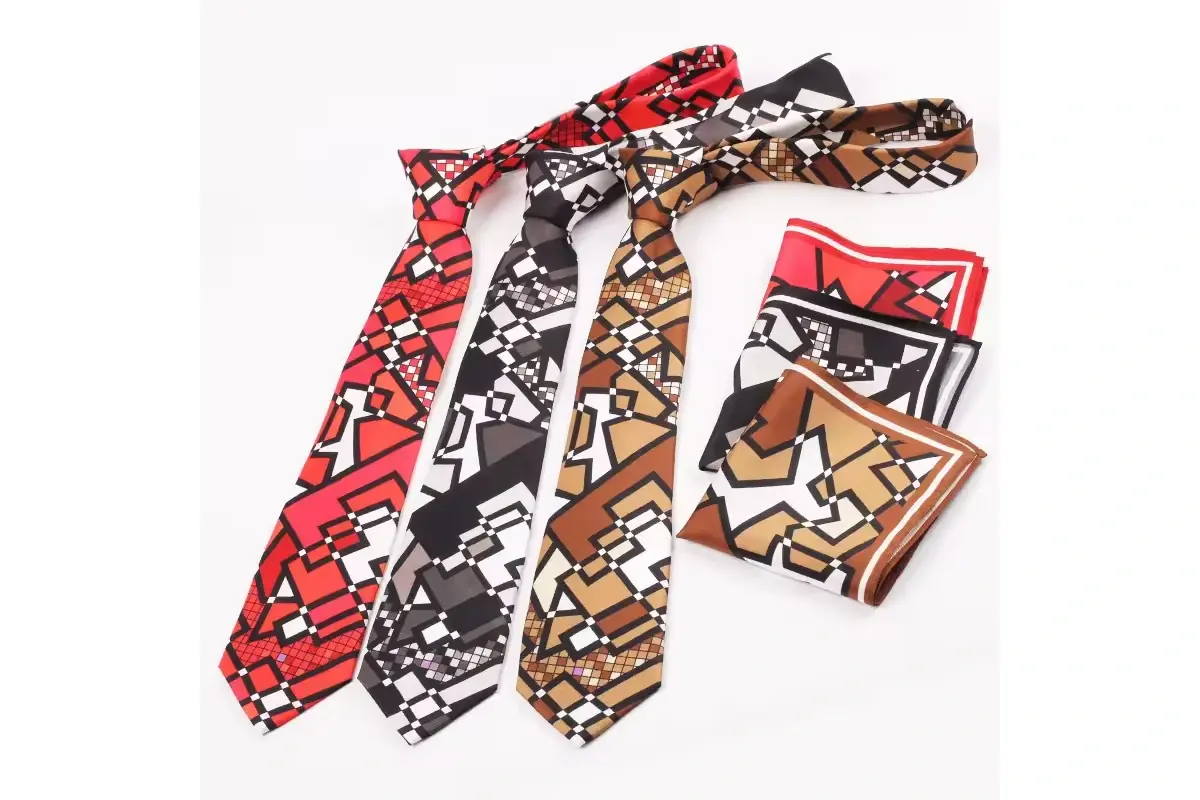
Build the Tie Around the Final Printed Layout
Before printing, adapt the artwork’s scale, repeat, placement, bleed, and key graphics to the finished tie shape. Use the approved layout for cutting and sewing.
Digital Print and Finishing Details
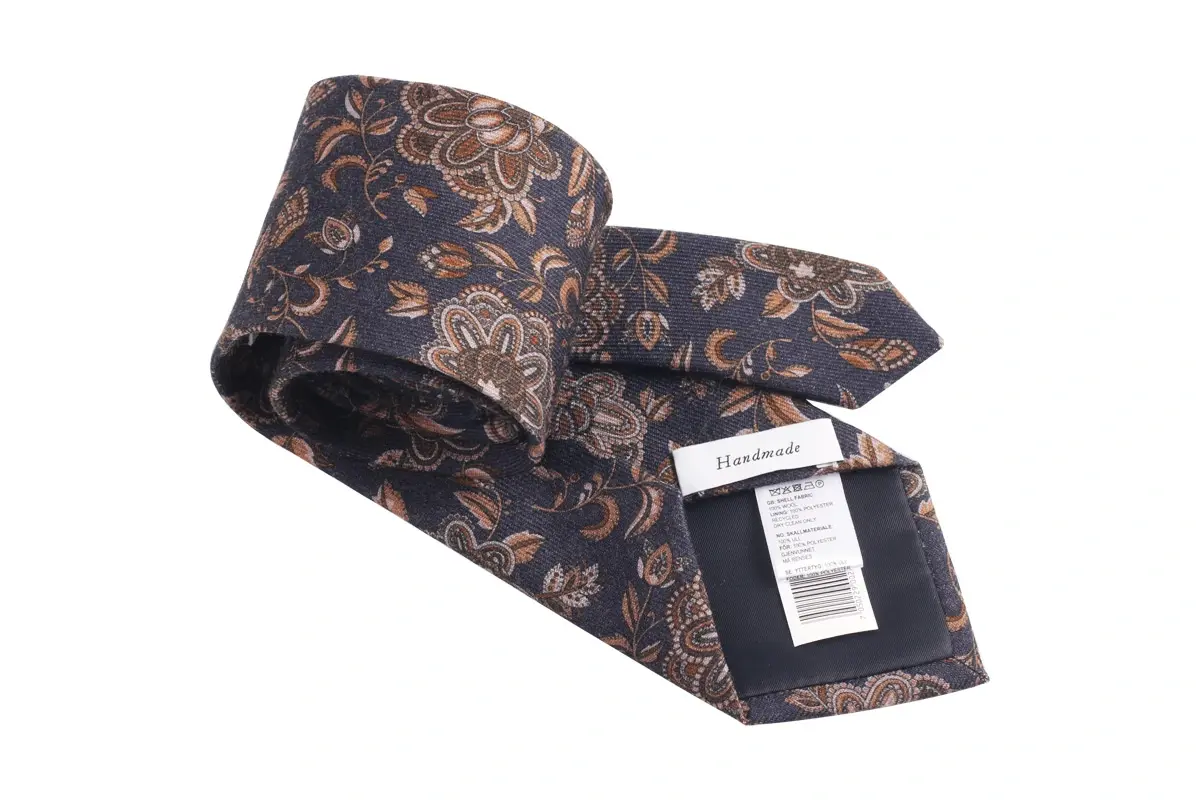
Digital artwork becomes a finished tie through printing, cutting and sewing. The visible pattern and private label details are developed together.
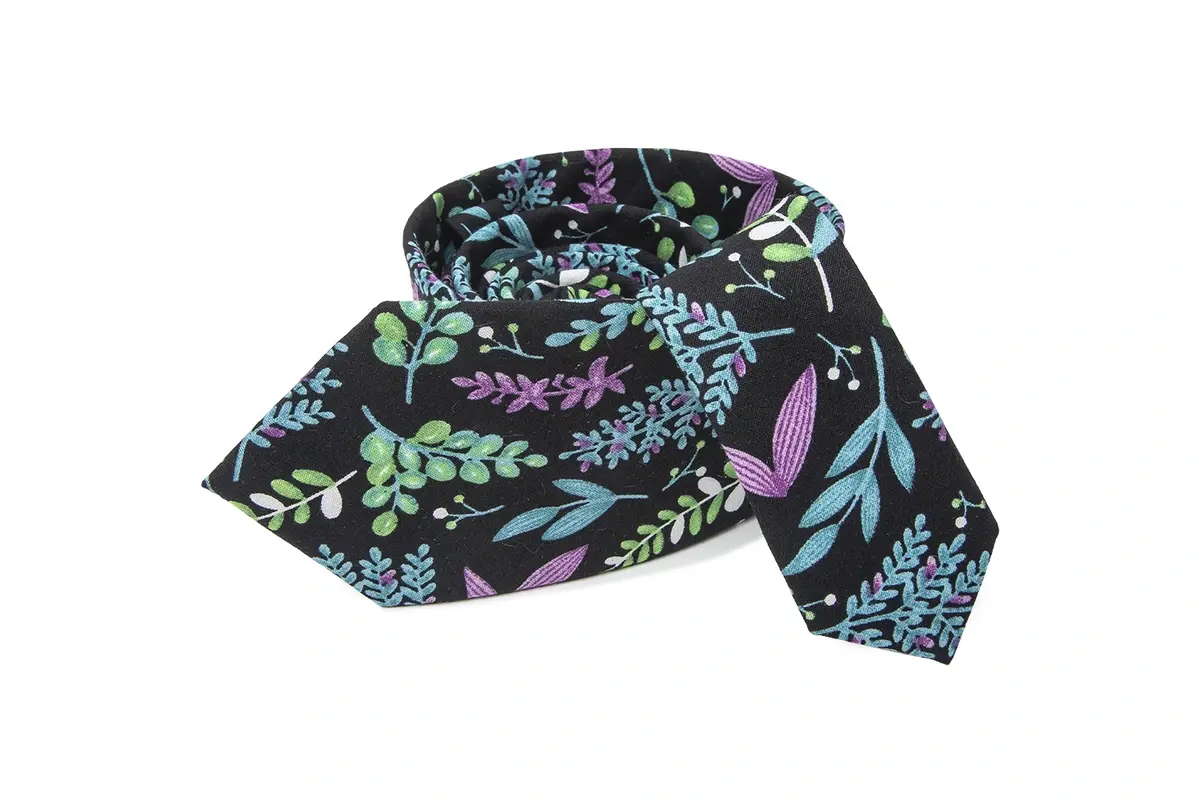
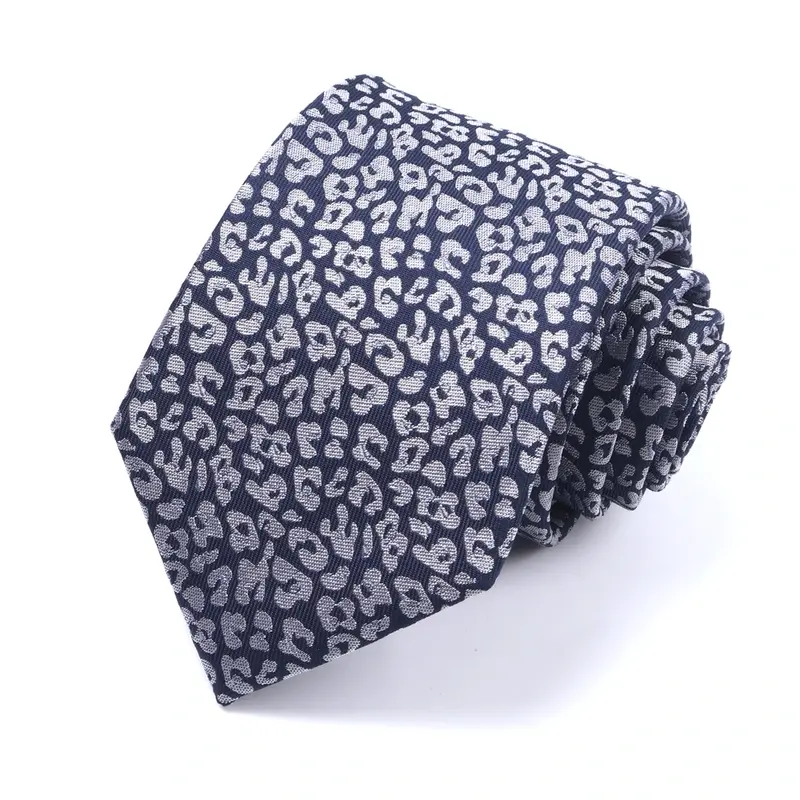
Full-Color Artwork
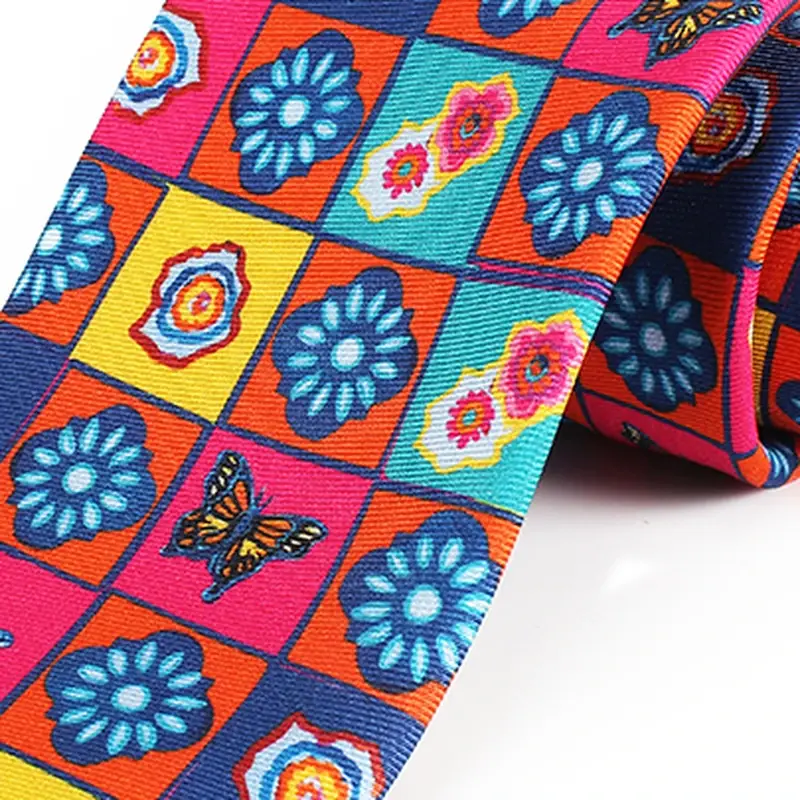
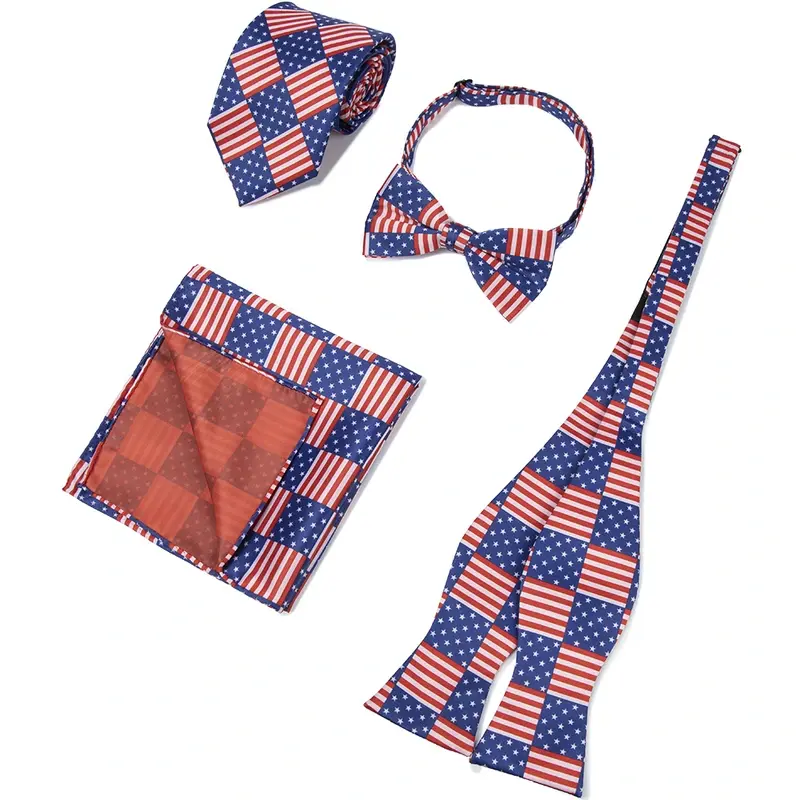
Digital printing supports detailed graphics, gradients and multicolor patterns. Print definition and color are evaluated on the selected fabric.
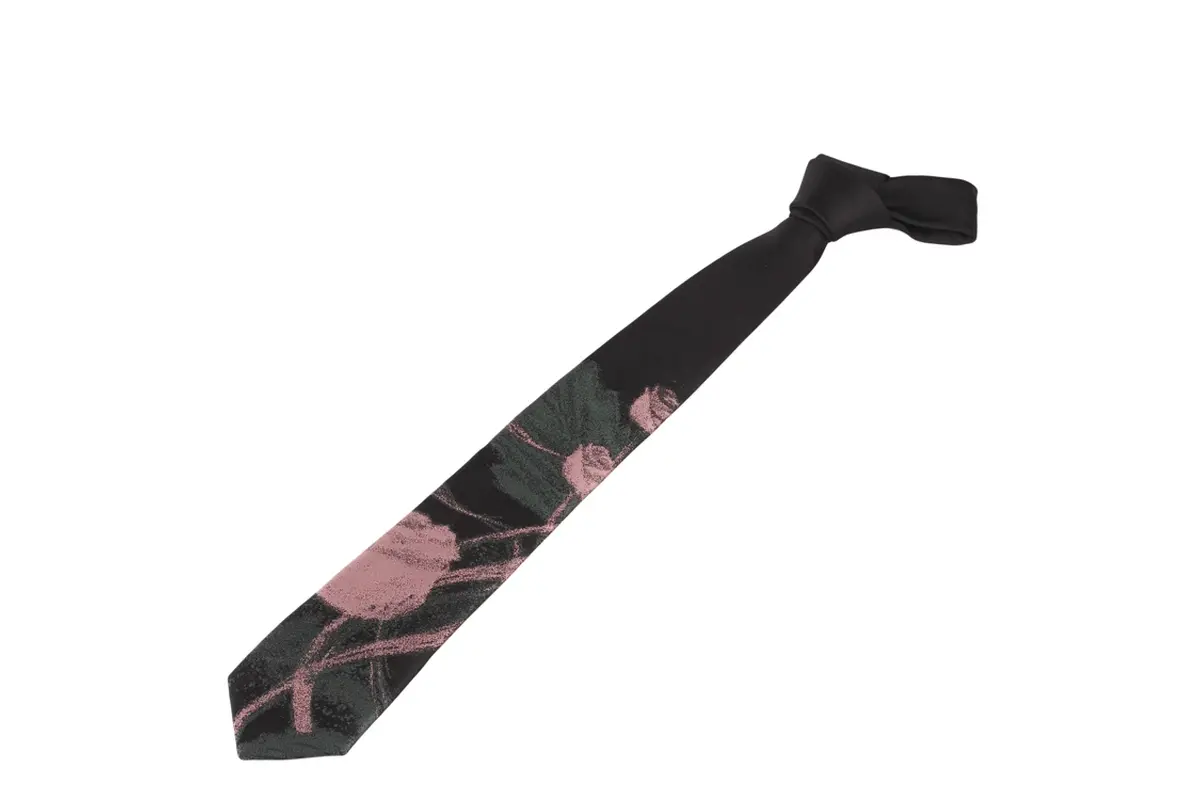
Pattern Across the Blade
Artwork scale and placement are fitted to the tie dimensions. Cutting and construction affect the areas visible on the blade, edges and knot.
Labels and Presentation
Brand labels, hang tags, and individual packaging can use artwork and placement coordinated with the printed collection.
Prepare Artwork for Digital Tie Printing
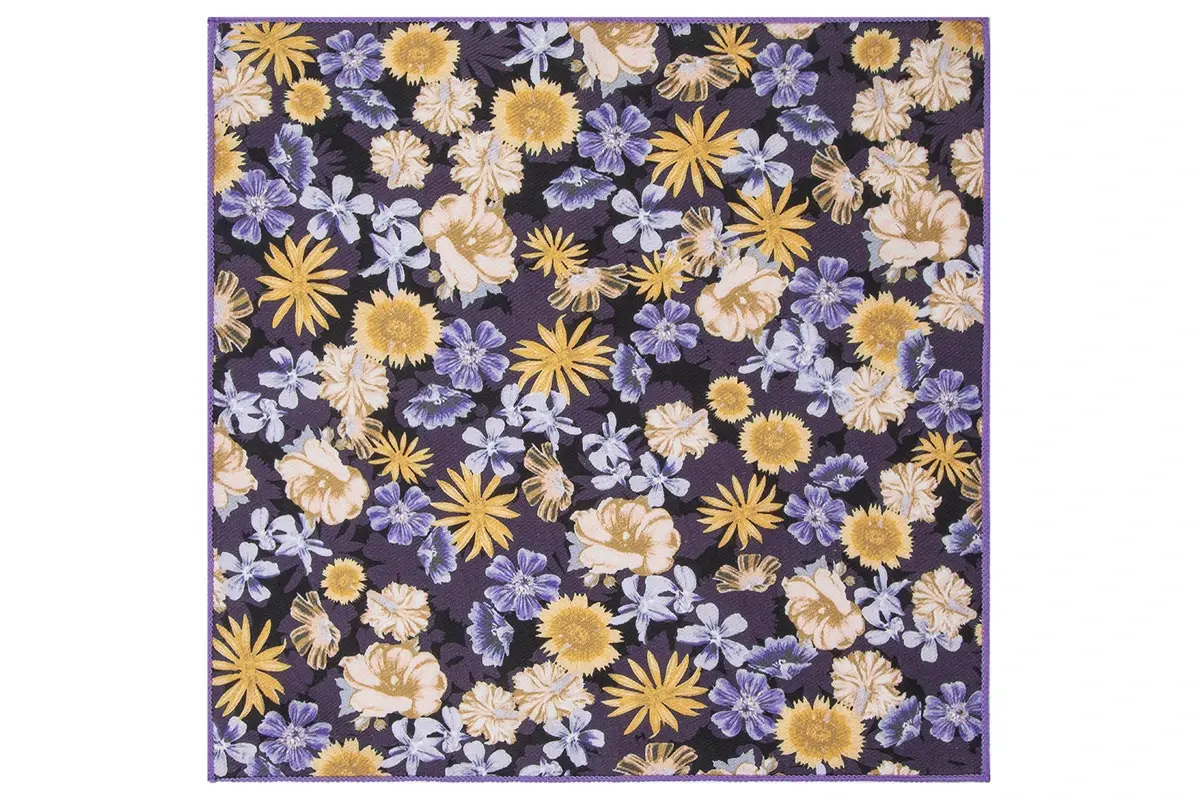
Provide editable or high-resolution source artwork at the finished scale. Mark any element that must stay in a specific position after cutting and sewing to reduce revisions.
- Editable Artwork
AI, PDF, PSD, or CDR files suit logos, linework, lettering, and adjustable layouts. Include final design elements and usable fonts or outlines. - High-Resolution Images
JPG or PNG files suit photographs, illustrations, and raster artwork. Check detail at the intended print size before sampling. - Actual-Size Layout
Set tie width and length before preparing the canvas, so pattern and graphic scale match the finished product. - Repeat and Placement Map
Mark repeat direction and the position of key motifs, centered graphics, or logos on the tie layout. - Bleed and Safe Areas
Where artwork reaches a cut edge, extend backgrounds beyond the trim line and keep key details away from uncertain cut zones. Final allowances are confirmed by project.
Choose the Right Print Layout
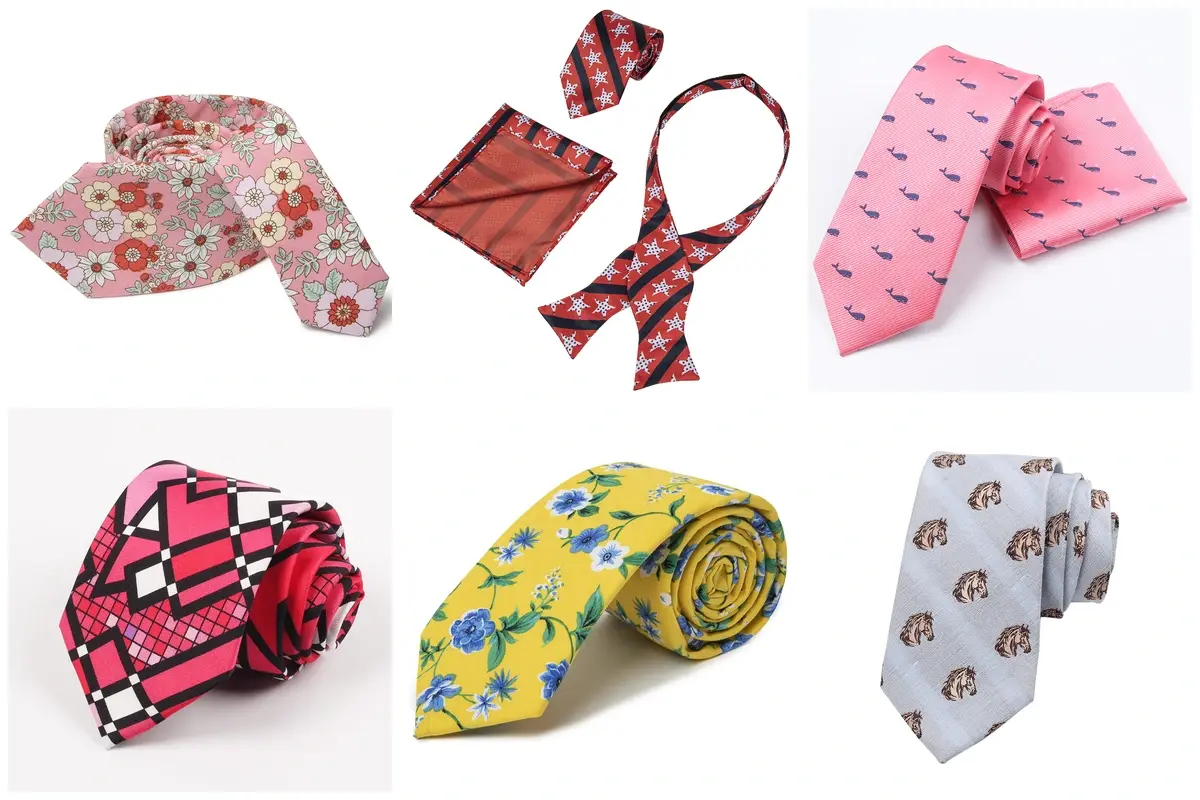
Choose the print layout on the finished tie outline to see how the artwork will appear when made up.
- Full-Surface Artwork
Brand graphics, illustrations, and all-over color need checking on the complete tie outline so key details survive cutting. - Repeated Motif
Icons, emblems, dots, and small graphics need agreed scale, spacing, direction, and edge placement. - Positioned Graphic or Logo
Mark the finished position of a corporate, event, club, or campaign logo, clear of folds and trim areas. - Gradient or Illustration Layout
Tonal transitions, layered colors, and detailed artwork need a clear master file and sample approval on the selected material before production.
Select a Material for the Printed Design
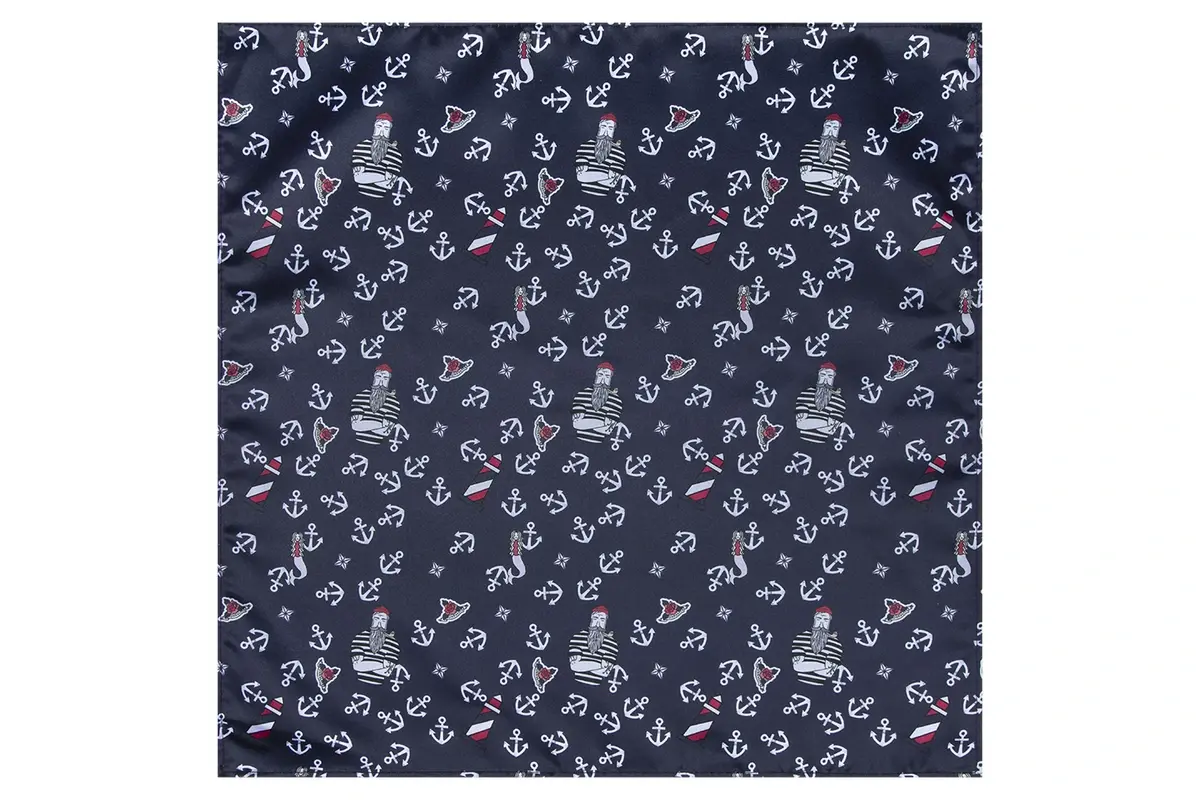
Polyester and silk-polyester blend affect feel, surface appearance, and printed color differently. Approve the artwork on the selected fabric before bulk production.
- Polyester
Suitable for corporate, event, uniform, promotional, and cost-controlled bulk orders. Approve the fabric, print, interlining, and dimensions together. - Silk-Polyester Blend
A different feel and surface for brands or retail. Printed colors may differ from polyester, so approve the material and sample.
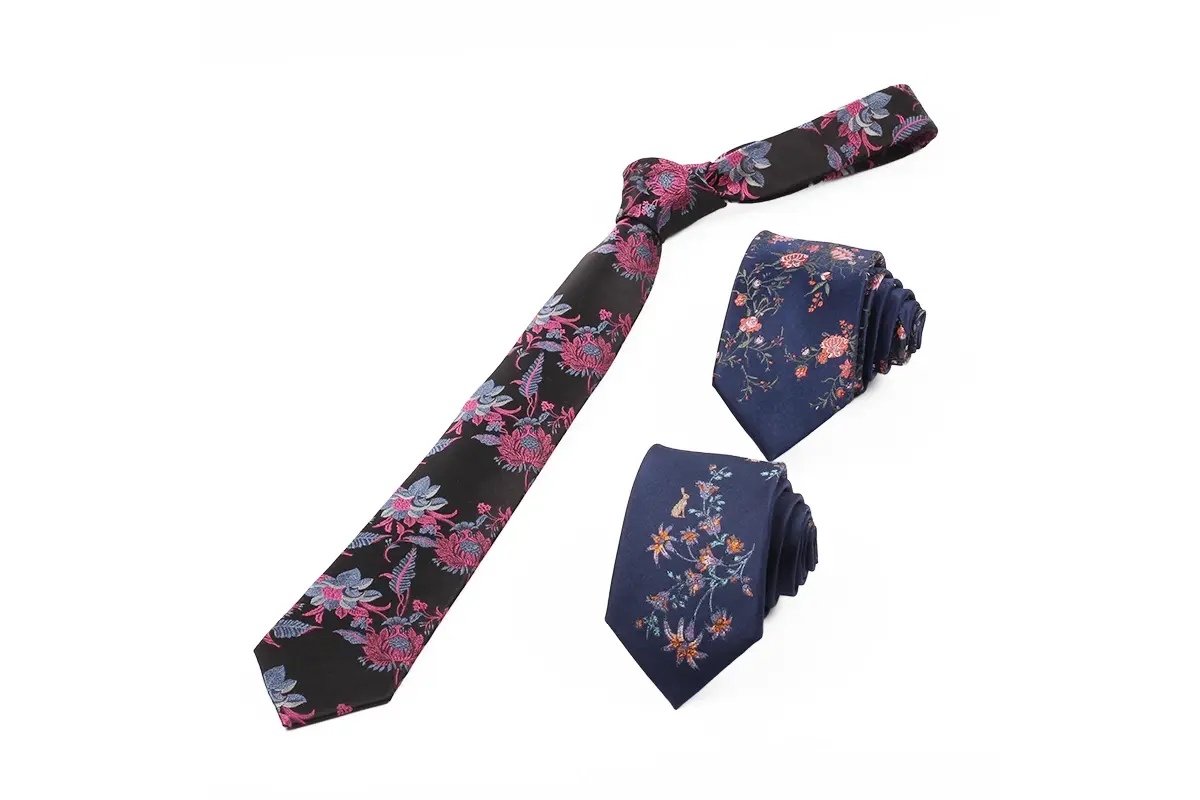
Set the Width and Length Before Final Artwork
Select width and length before approving artwork scale, repeat, or graphic placement. Record the measurements in the production specification.
- 6 cm Width
Narrow contemporary or retail styles leave less space for logos and detailed motifs. Check readability at this width. - 7 cm Width
A slim-to-regular option for fashion, corporate, and event ties. Approve pattern scale and focal graphics on the finished outline. - 8 cm Width
A regular 8 cm width gives multicolor artwork more visible area. Confirm the front-blade layout before sampling. - 9–10 cm Width
Wider traditional styles and larger graphics need a separate approved layout because width changes motif scale and placement. - 135–155 cm Length
Confirmed lengths are 135, 140, 145, 150, and 155 cm; child or special lengths are reviewed separately. State the exact finished length and user group in the inquiry.
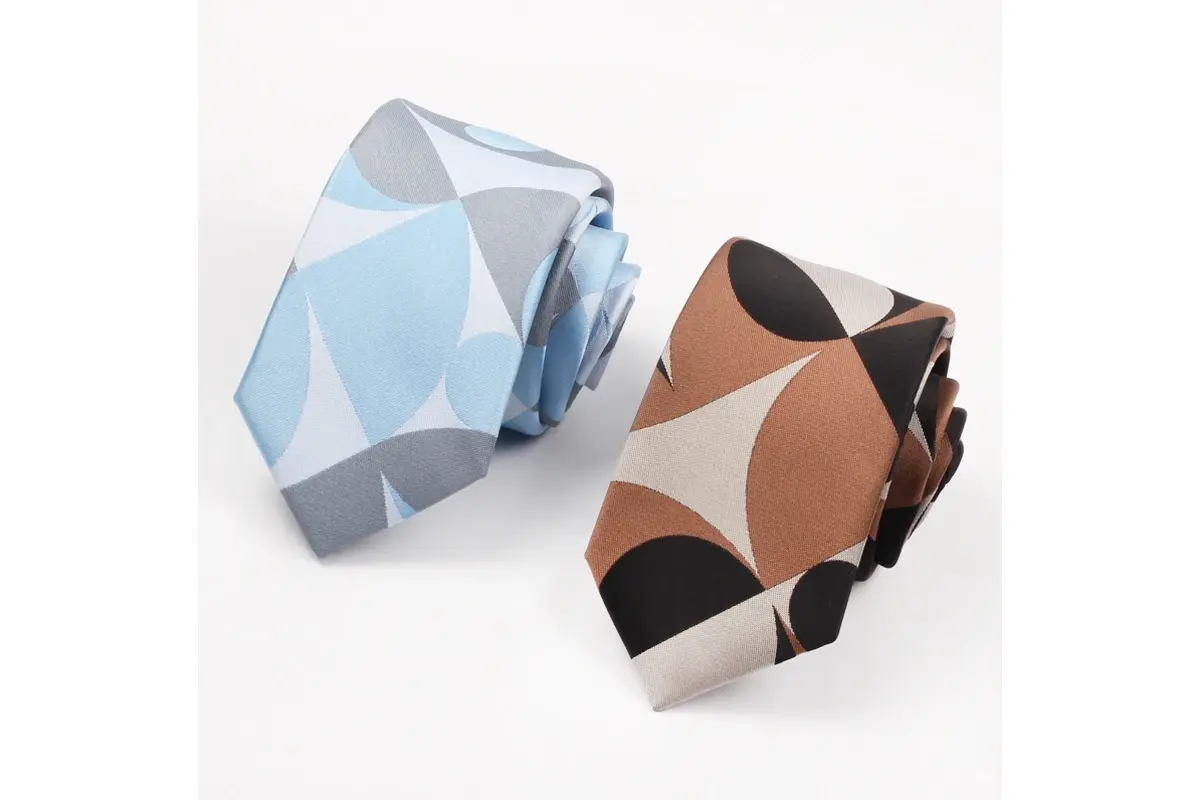
Approve Color on the Selected Material
Screens can help review the composition, but they are not a final color standard. Provide a color reference, select the material, and approve the printed result that will guide bulk production.
- Pantone Reference
Include Pantone codes with the artwork and identify the brand colors or design elements each code applies to. - Physical Color Reference
When an existing tie, fabric, packaging piece, or sample is the preferred guide, send a usable reference and confirm how it should be interpreted on the selected material. - Printed Sample
A printed sample is recommended for complex color, gradients, detailed illustrations, or new material combinations. Review its color, scale, placement, and overall appearance before bulk production. - Approved Production Reference
Record the final artwork and sample approval. Bulk checks follow this reference within the confirmed project conditions.
Related Custom Products
Compare printed silk, logo printed, pattern printed, and sublimation ties.
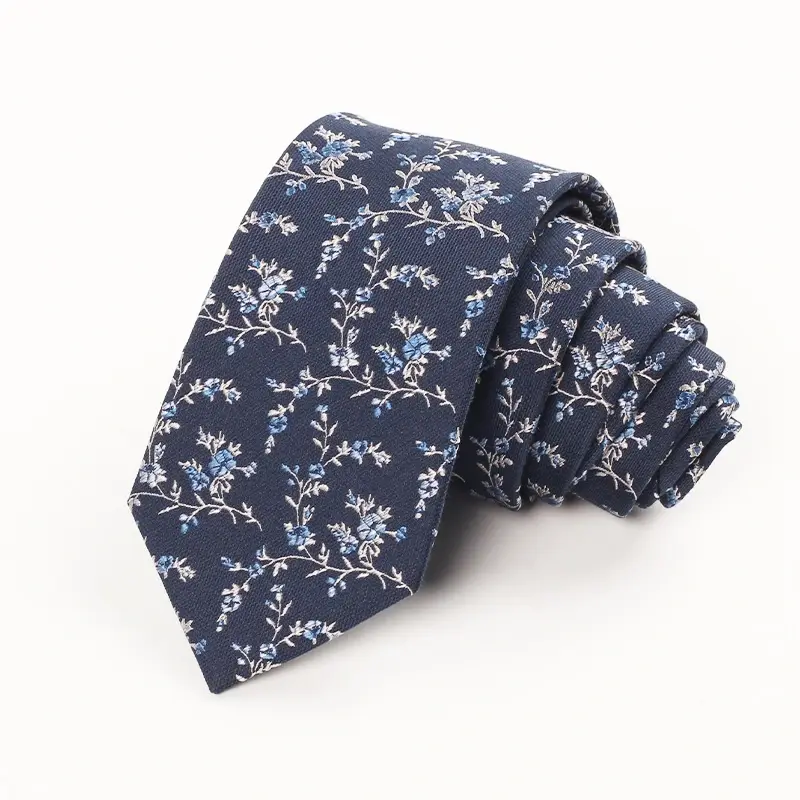
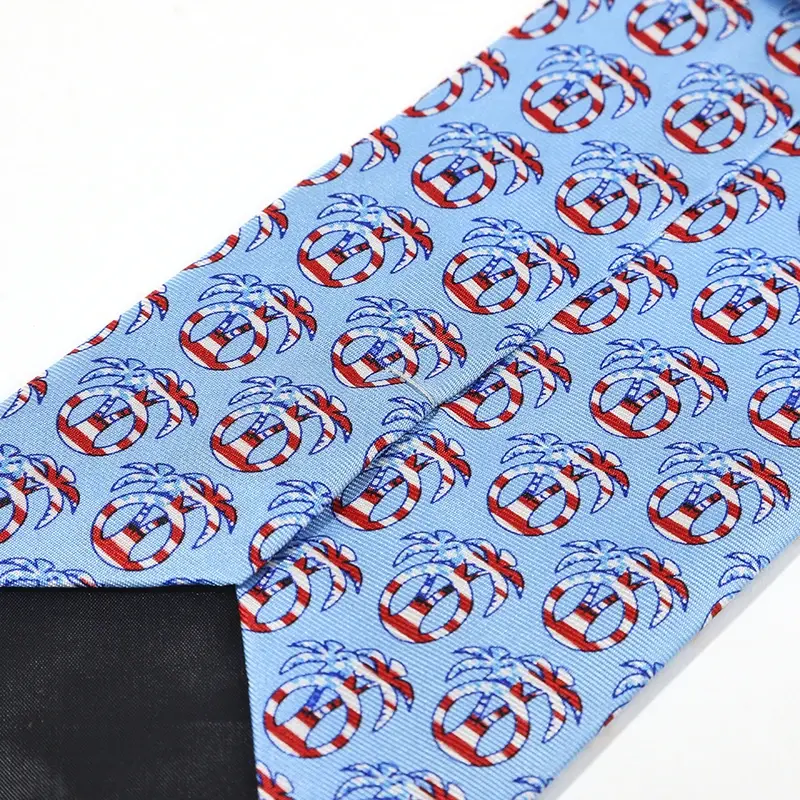
Check the Printed Design During Cutting and Sewing
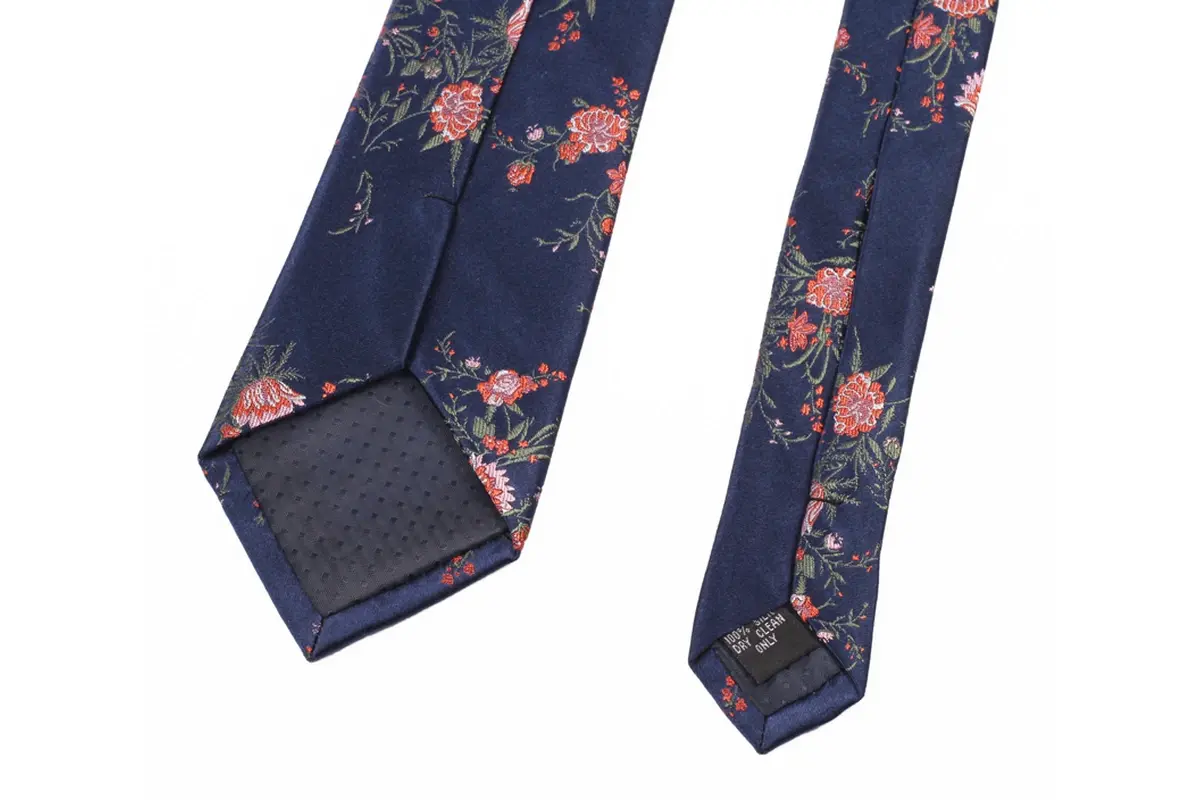
After artwork and material approval, the fabric is digitally printed, cut to the confirmed tie pattern, assembled with interlining, sewn, pressed, labeled, inspected, and packed. Checks compare the print appearance, placement, dimensions, workmanship, and packaging against the approved project reference.
Send Your Digital Print Artwork
Send your digital printed tie requirements and estimated quantity.
Request a Digital Print Quote