
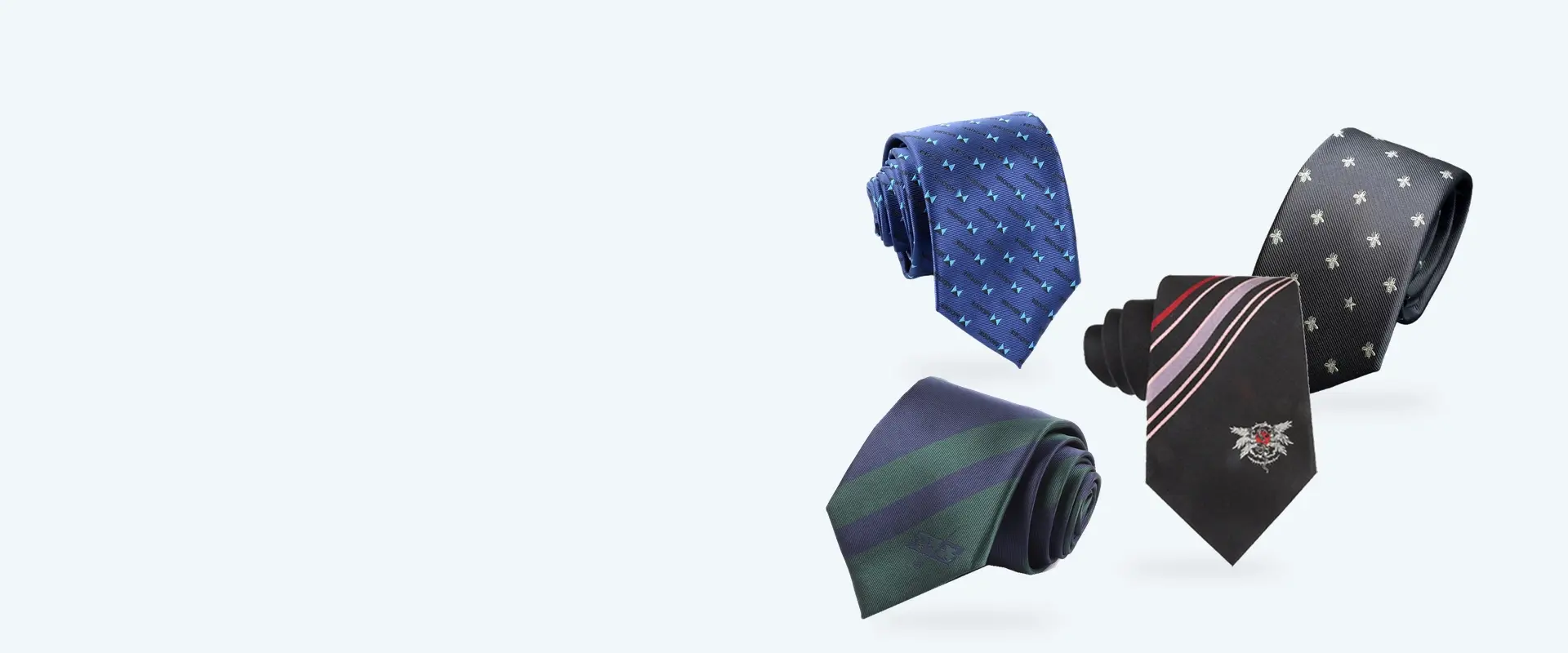
Custom Corporate Ties
Coordinate brand colors, logos, wearer groups, sizing, labels, and packing across company, staff, hotel, and airline tie programs.
- ✓ Shared Brand Elements
- ✓ Role-Based Specifications
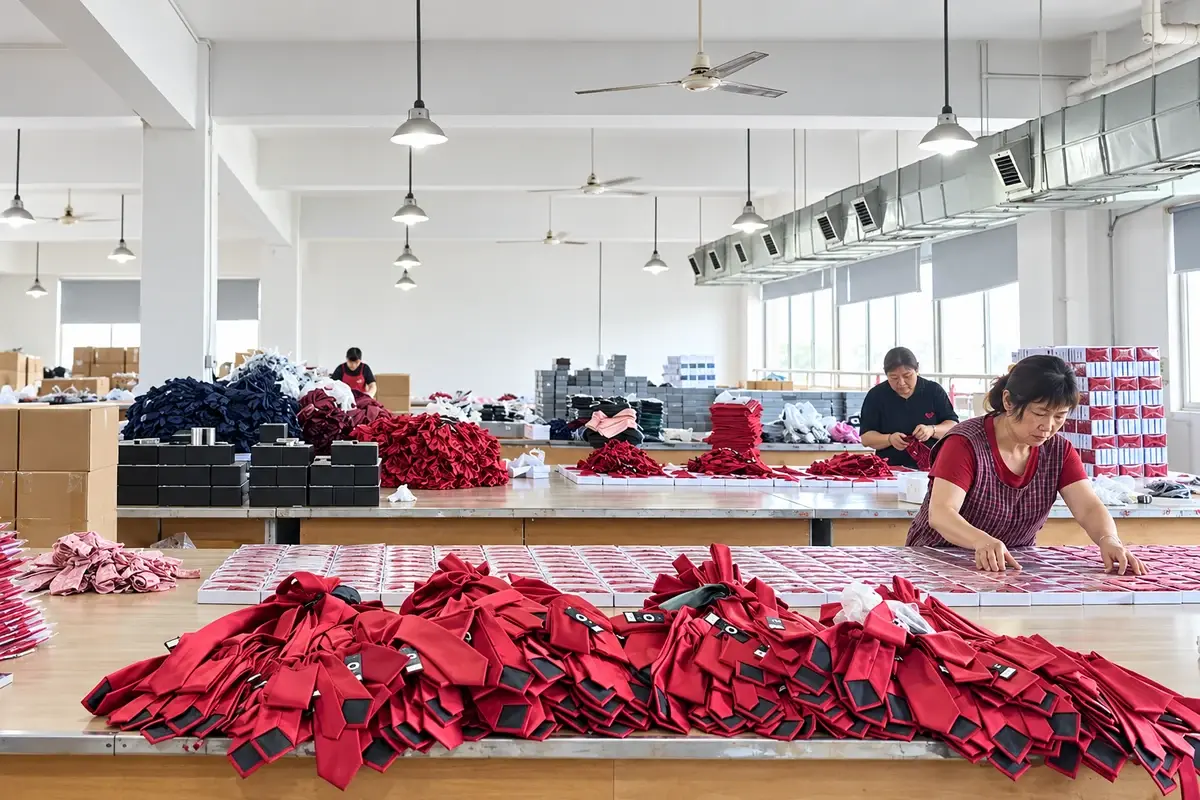
A Production Partner for Corporate Tie Programs
LuxoTie helps procurement, brand, and uniform teams define material, color, size, construction, labels, packing, and sample requirements based on artwork and role requirements, then manages production and inspection against the approved project specification.
Six Decisions to Define Your Corporate Tie Program
Confirm the shared brand rules and permitted role differences before sampling so every variant follows one coordinated program.

1. Brand Color System
Provide Pantone or physical references and identify which colors must remain consistent across every role, department, location, or order.

2. Logo and Pattern Route
Define logo scale and placement, along with any repeat, stripe, or background, then review whether weaving, printing, embroidery, transfer, or foil suits the material and design.

3. Material and Finish
Compare polyester, silk, or wool-blend options based on the required appearance, hand feel, drape, uniform setting, and project budget, subject to sample approval.

4. Roles and Wearer Groups
List each department or wearer group, its quantity, design variant, width, length, label, packing, and allocation requirements.

5. Finished Specification
Confirm width, length, blade proportion, interlining, tipping, stitching, labels, and any special sizing before the physical sample is made.

6. Approval and Reorders
Approve every variant and save its artwork revision, color reference, construction, label, packing, allocation, and sample record for later orders.
Choose the Corporate Tie Route for Your Project
Start with the project owner and wearer group, then define the material, design, size, labeling, packing, and approval standard for that route.
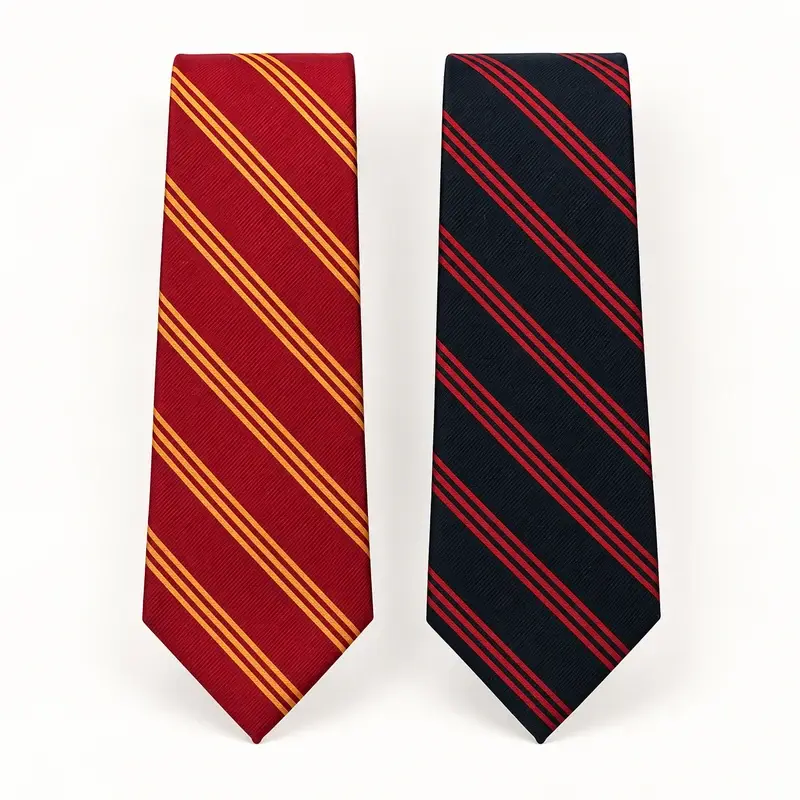
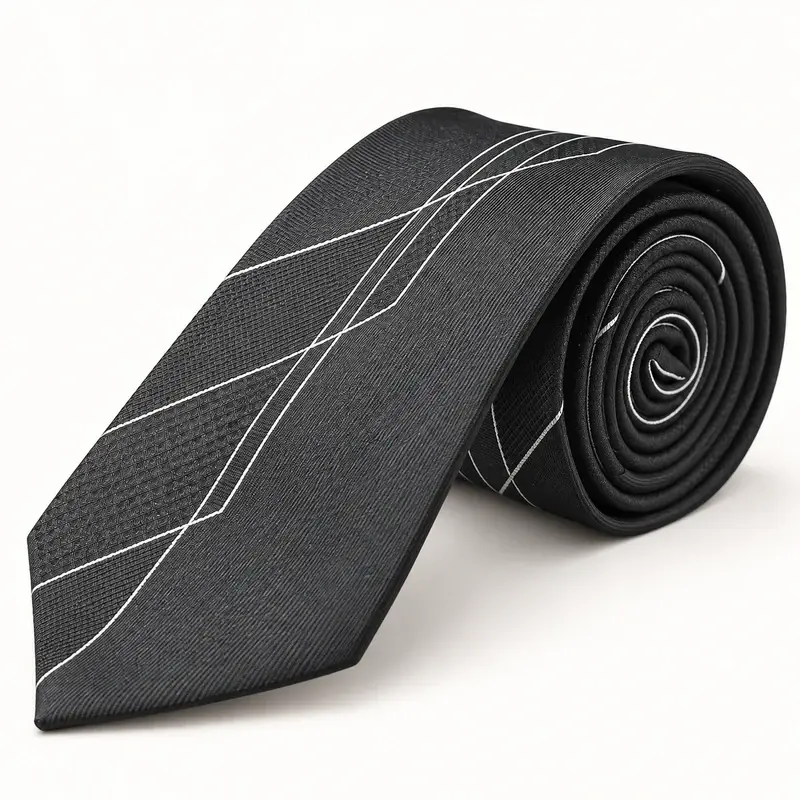
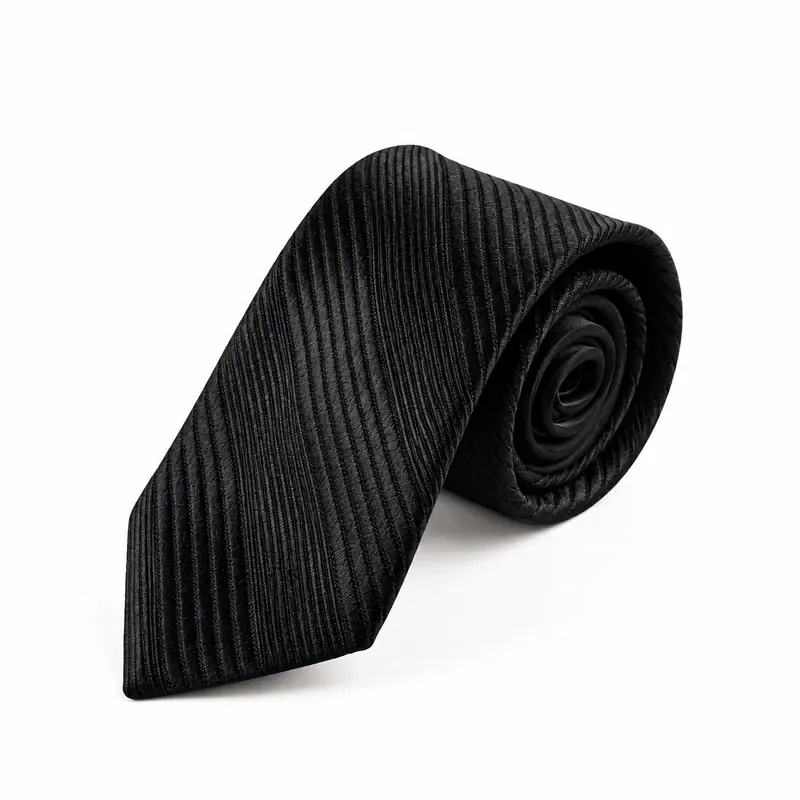
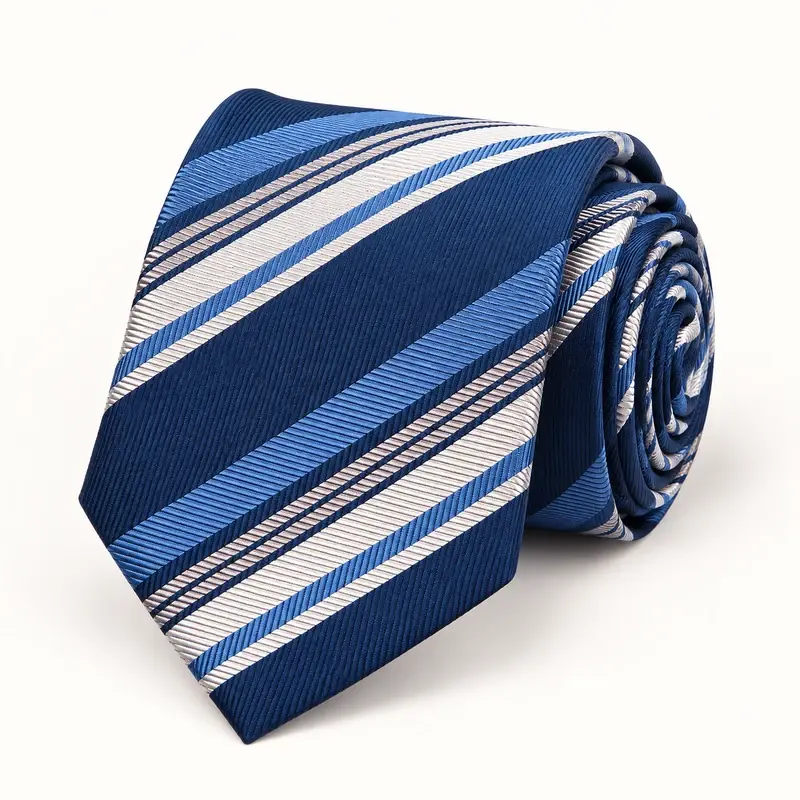
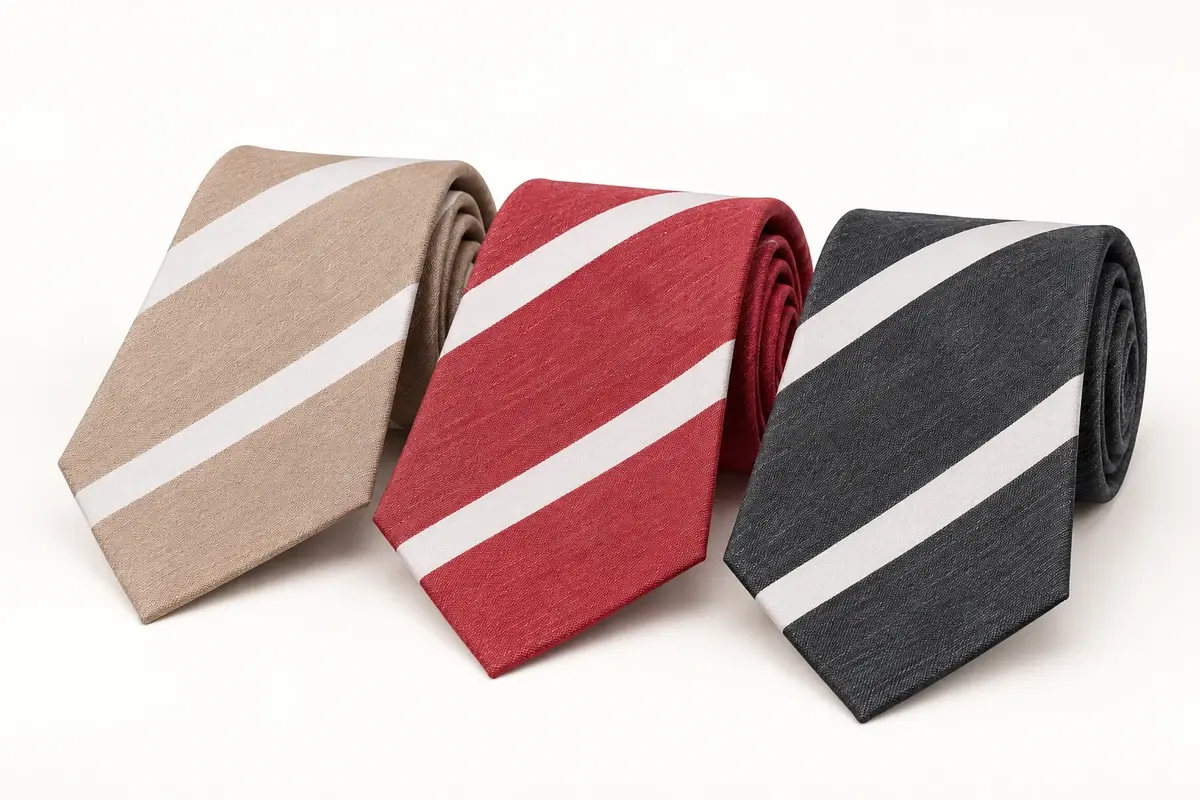
Translate Brand Guidelines into a Tie Specification
A logo file is only the starting point. Apply the brand rules to the colors, artwork, material, scale, and placement used for the finished tie sample.
- Establish the Color References
Provide Pantone or physical references and identify primary, secondary, accent, and restricted colors for each approved variant. - Define Logo Scale and Placement
Confirm centred, tip, repeat, stripe-integrated, or discreet branding with exact size, direction, spacing, and blade position. - Match Artwork to the Material
Review how the polyester, silk, or wool-blend option and the selected weave or print route affect detail, texture, sheen, and color appearance. - Approve the Finished Combination
Evaluate color, logo clarity, proportion, material surface, knot, drape, and how the tie pairs with the uniform using the physical sample.
Coordinate Roles, Departments, and Wearer Groups
Keep the brand recognizable while giving each wearer group only the differences it needs. A simple matrix prevents unclear variants and packing errors.
- Lock Shared Brand Elements
Keep selected colors, logo rules, stripe language, or material direction consistent across the program. - Define Controlled Variants
Change only approved fields such as background color, accent stripe, logo placement, width, length, or label by role. - Allocate Quantity by Group
State quantities for each department, role, size, location, or delivery batch before sampling and quotation. - Plan Labels and Group Packing
Confirm main and care labels, individual wrapping, group identification, cartons, and shipping marks for accurate distribution.
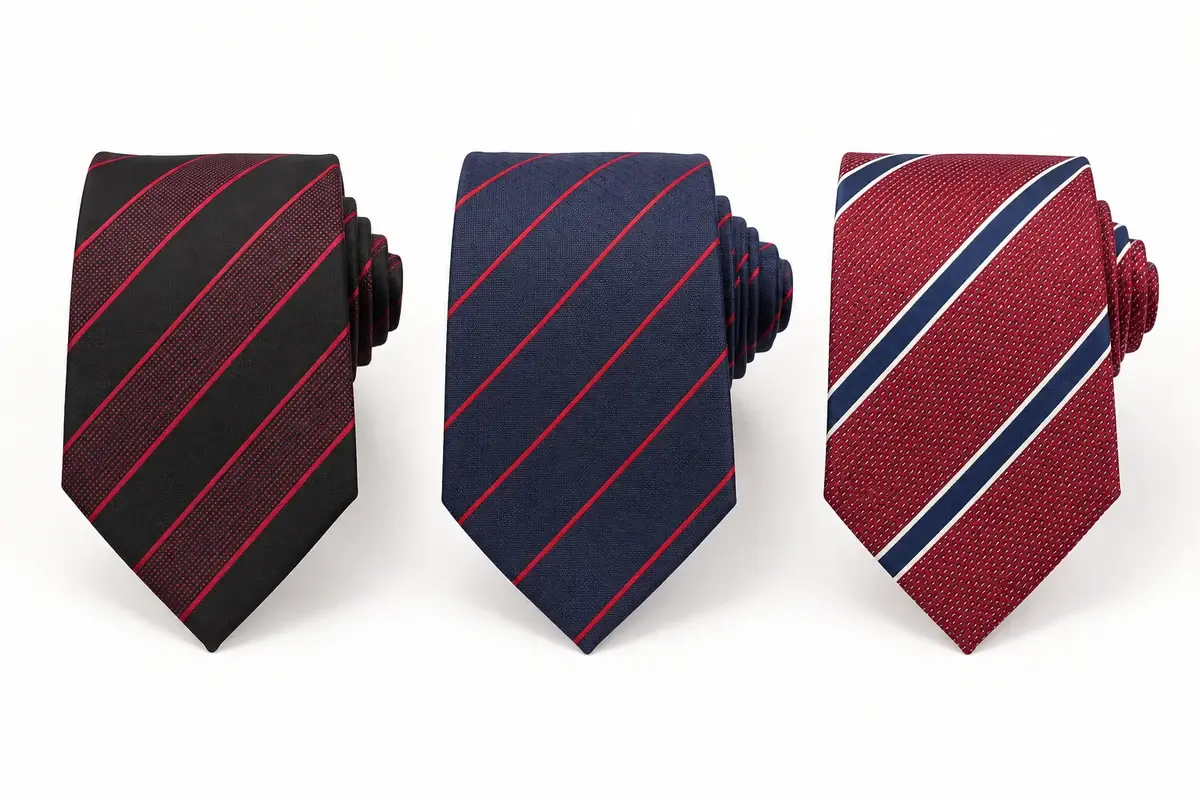
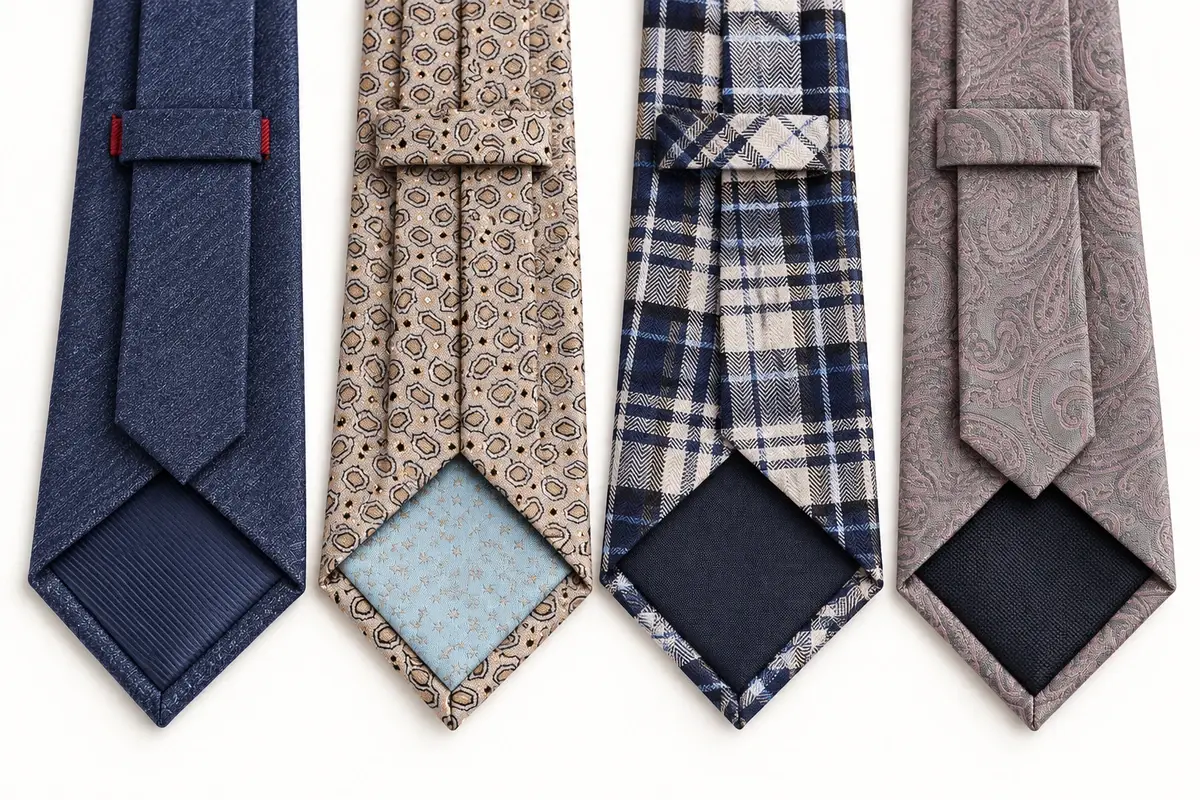
Approve a Corporate Rollout and Reorder Standard
Treat each approved tie as a controlled variant. Record the references needed to inspect the first order and review future replenishment.
- Approve Each Physical Variant
Check material, color direction, artwork, dimensions, construction, labels, packing, and its intended wearer group. - Record the Master Specification
Save artwork revision, colors, material, width, length, interlining, tipping, stitching, labels, packaging, and approved sample version. - Inspect Against Approved References
IQC, IPQC, and FQC compare relevant materials, production details, finished ties, group allocation, and packing with the project reference. - Document Reorder Changes
Reference the prior order and identify every new color, artwork, role, size, quantity, label, packing, or delivery change in writing.
Three Corporate Tie Program Structures
Use one structure or combine several. The final specification should show who wears each tie, what remains shared, and what changes by group.
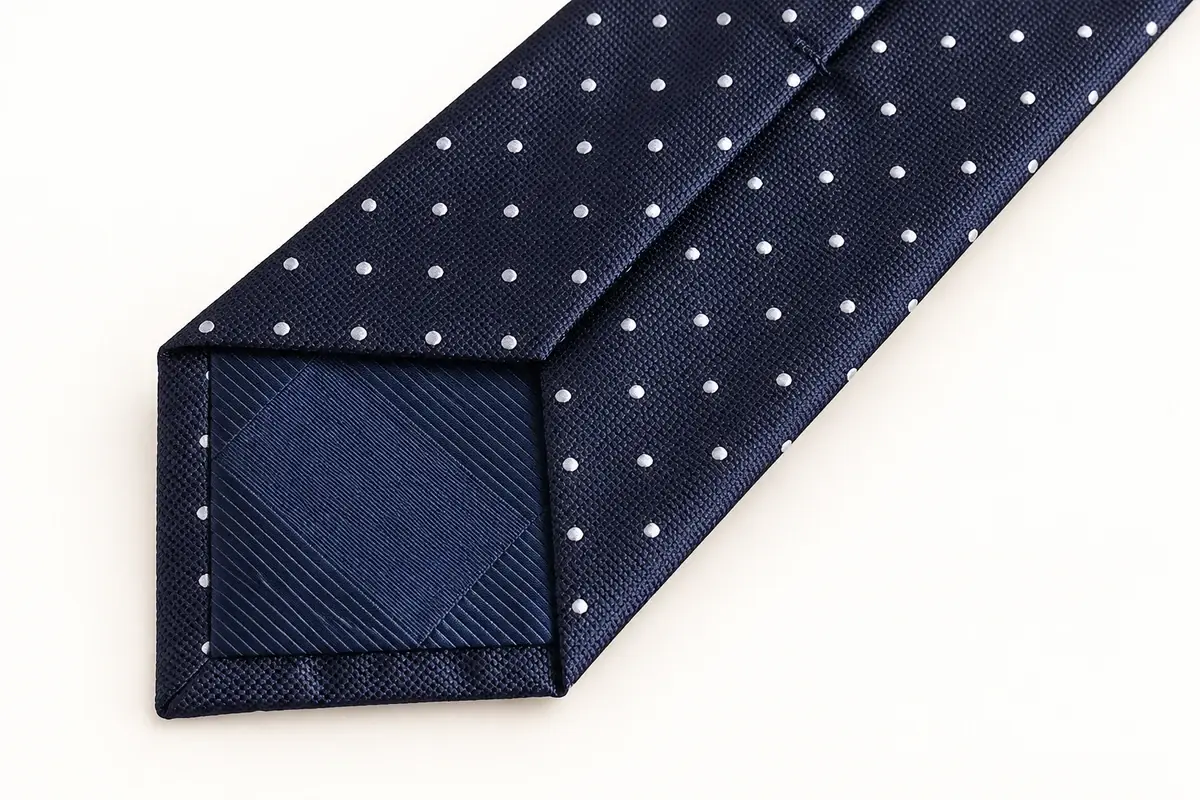
Company Brand Tie
Centres the company identity through an approved logo, color system, pattern, material, and placement for business wear, events, or corporate gifts.
Discuss a Company Tie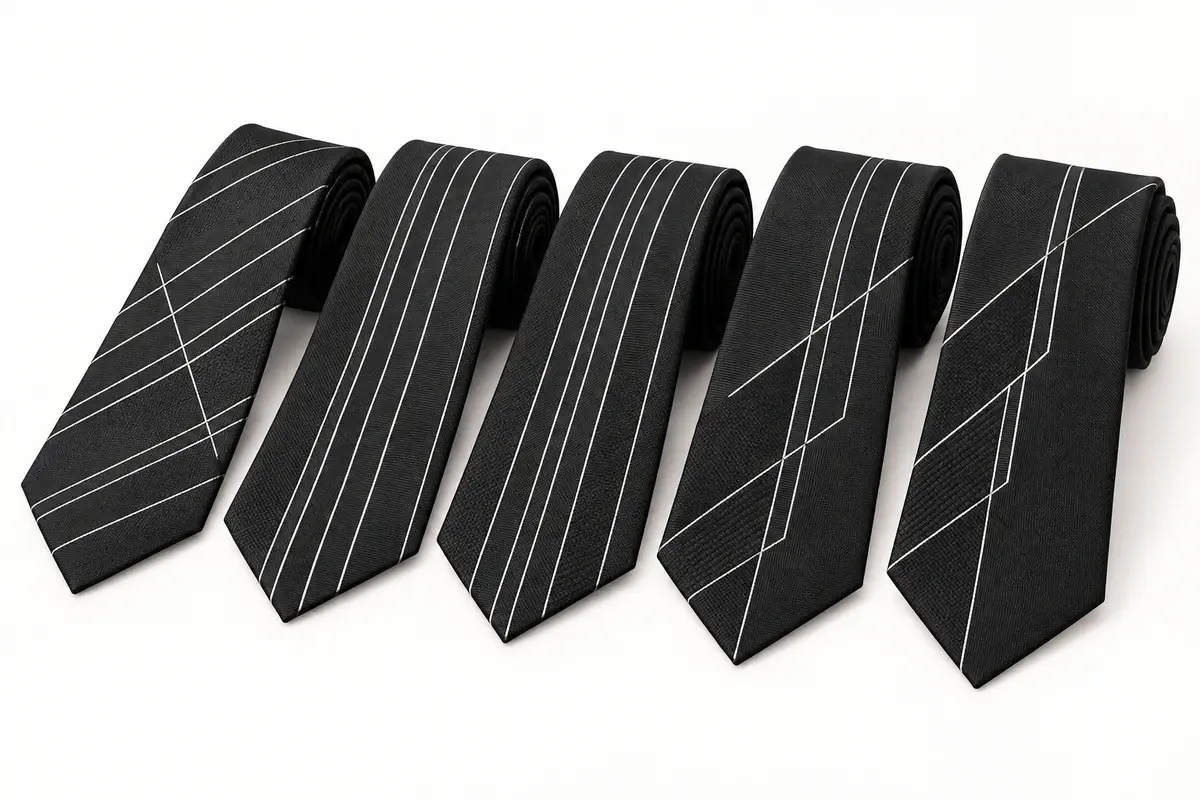
Staff Uniform Tie
Organizes one or more coordinated variants by department, role, width, length, label, packing, and quantity for daily employee wear.
Plan Staff Tie Variants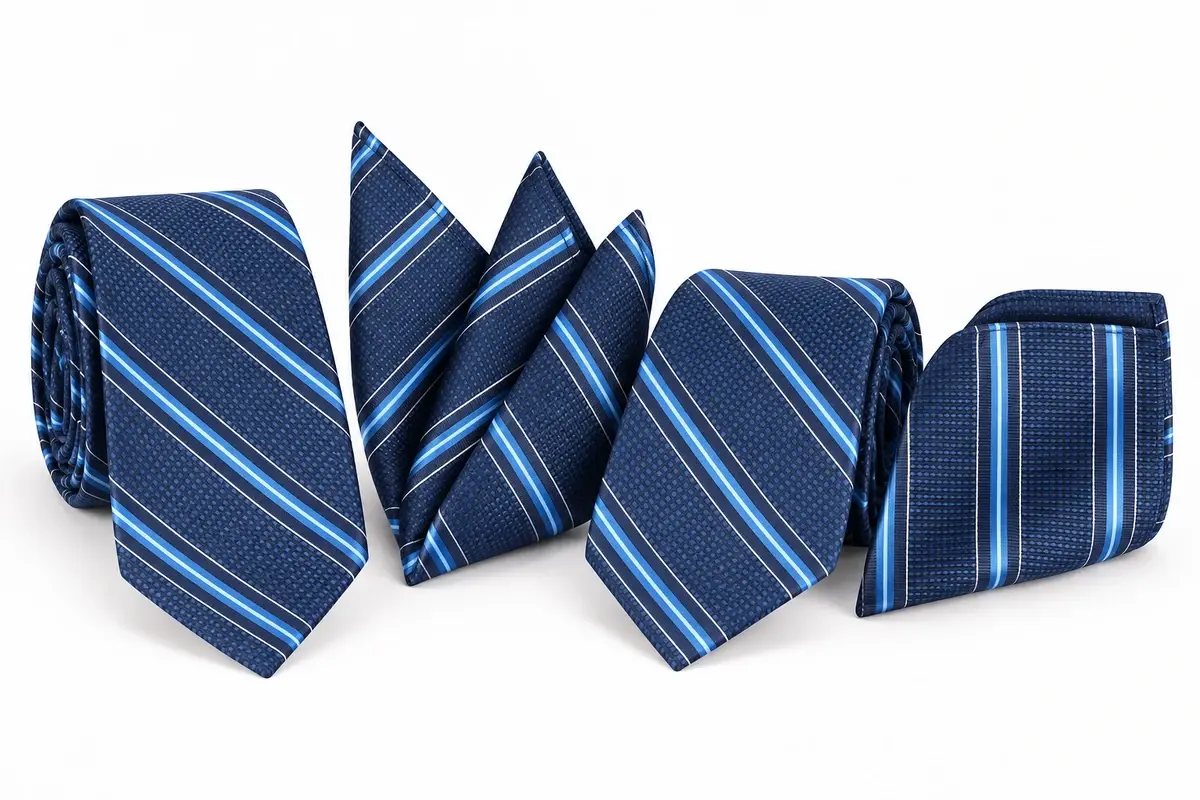
Hotel or Airline Tie Program
Coordinates guest-facing, crew, ground, service, or management groups while the buyer confirms sector-specific uniform and role requirements.
Discuss a Sector Program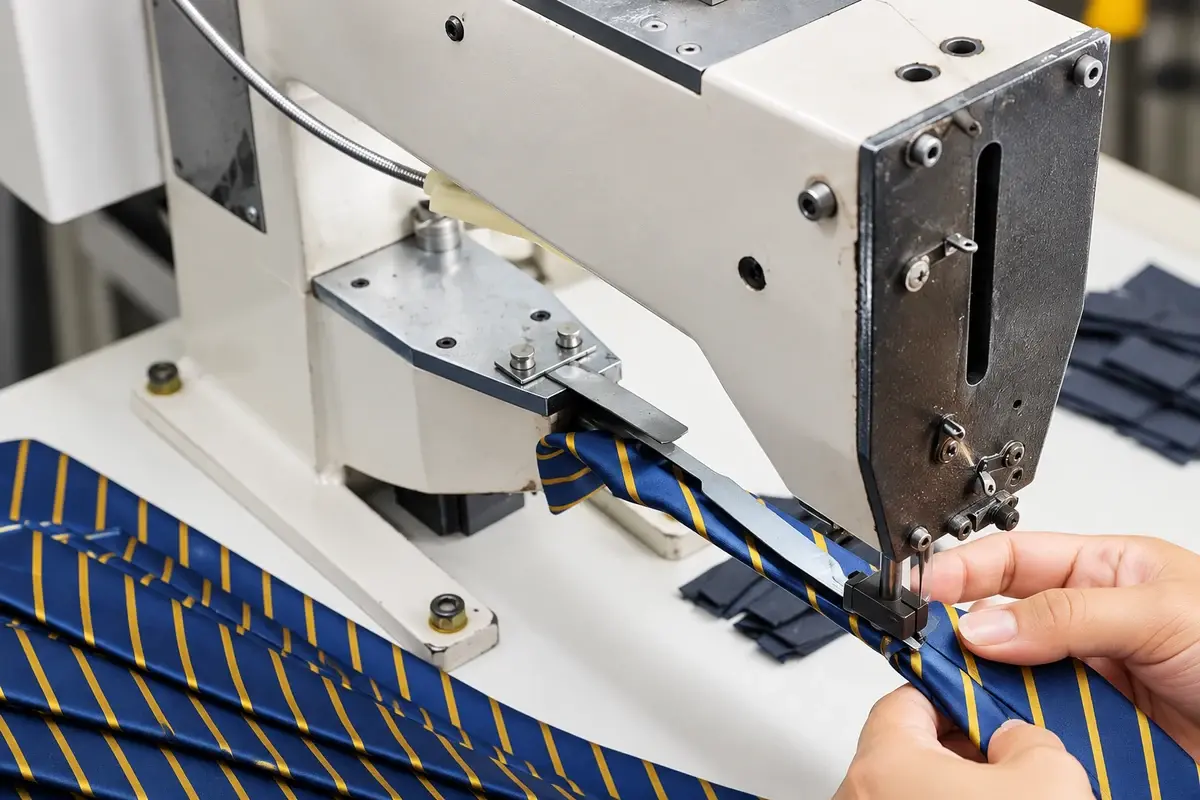
Corporate Tie Production and Program Checks
LuxoTie manages artwork review, woven or printed development, cutting, interlining, sewing, pressing, labeling, inspection, and packing. IQC, IPQC, and FQC check material, color direction, logo, dimensions, construction, approved variants, labels, allocation, and packaging against the project reference.
Start Your Corporate Tie Program
Send your corporate tie requirements and estimated quantity.
Request a Custom Quote