
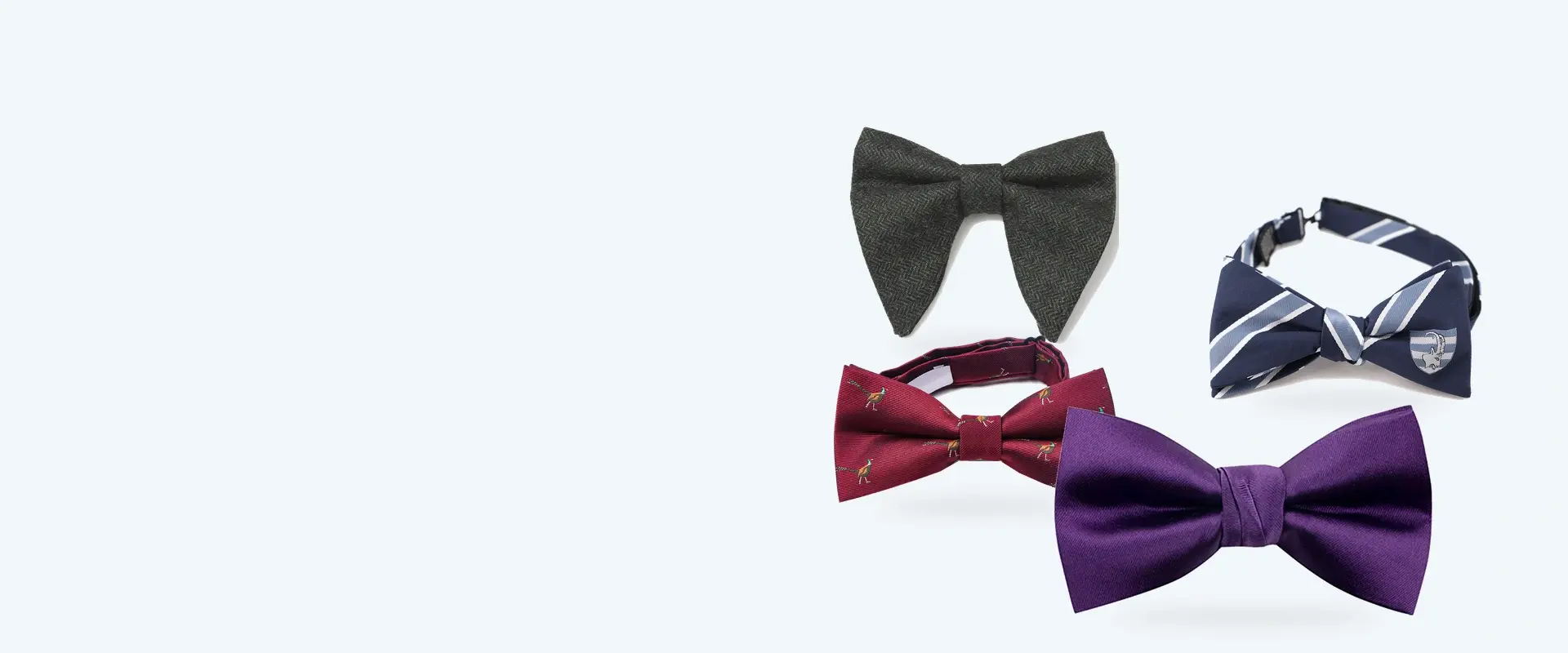
Custom Bow Ties
Select silk, printed, woven, or logo options, then define wearing format, shape, neck fit, artwork, labels, and packing.
- ✓ Self-Tie and Pre-Tied Formats
- ✓ Shape & Fit Approval
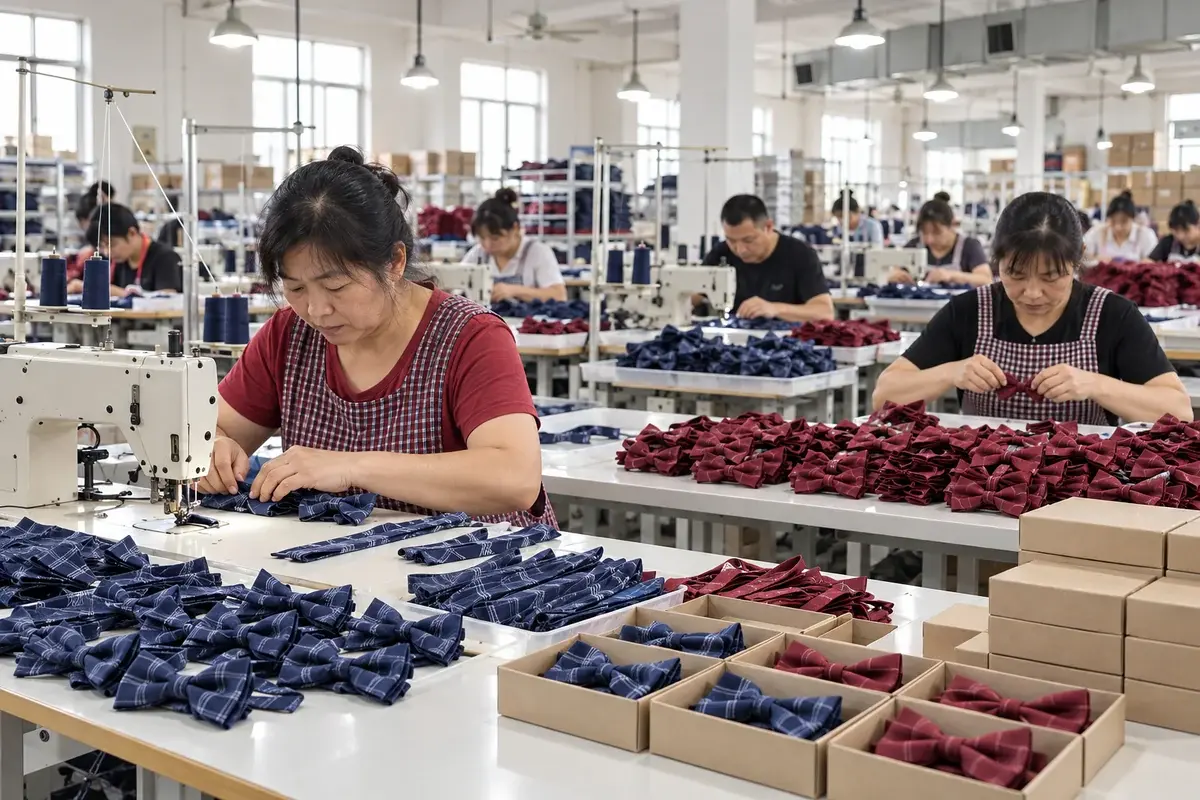
A Production Partner for Custom Bow Tie Programs
LuxoTie helps brands, event suppliers, uniform teams, and retailers define bow tie format, shape, material, color, logo, labels, packing, sample, and inspection requirements based on artwork and wearer needs.
Six Decisions to Define Your Bow Tie Project
Confirm how the bow tie will be worn and seen before sampling so its shape, artwork, neck fit, labels, and packing work together.

1. Use and Wearer Group
Define whether the bow tie is for an event, uniform, retail, wedding, gift, or organization, and list each wearer, color, role, or location group.
2. Self-Tie or Pre-Tied
Choose a self-tie for a hand-tied result or a pre-tied format for quicker, more uniform team wear.
3. Shape and Proportion
Confirm the requested profile, finished width and height, center knot, and how the shape should look when tied or pre-formed.

4. Material and Design Route
Select silk, polyester, or cotton, then match a printed, woven, embroidered, transfer, or foil treatment to the artwork and surface.

5. Neck Fit and Closure
State the wearer measurements or required neck range, then approve the band, adjustment, closure, and finished fit for the selected format.

6. Labels and Packing
Define main and care labels, hang cards, individual wrapping, boxes, variant identification, carton grouping, and delivery allocation.
Choose the Bow Tie Route for Your Project
Start with the required surface and visual result, then confirm the wearing format, shape, neck fit, labels, packing, and sample standard for that route.
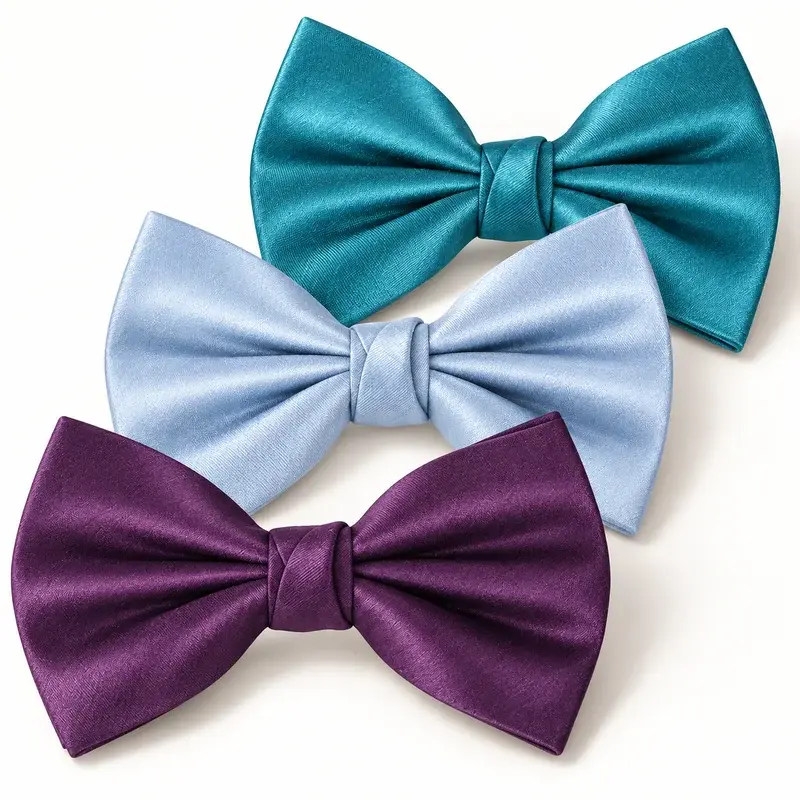
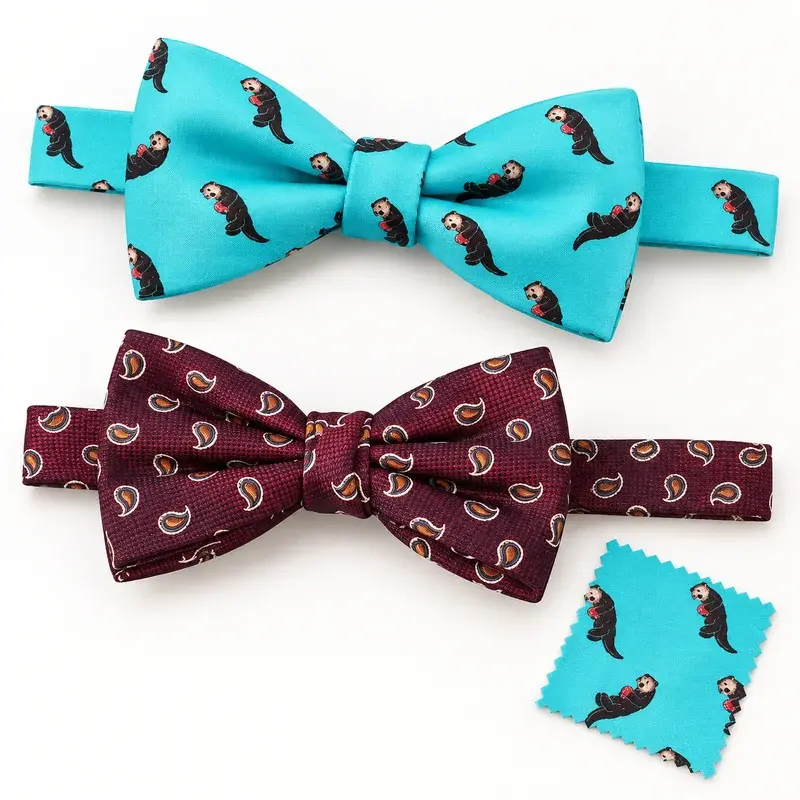
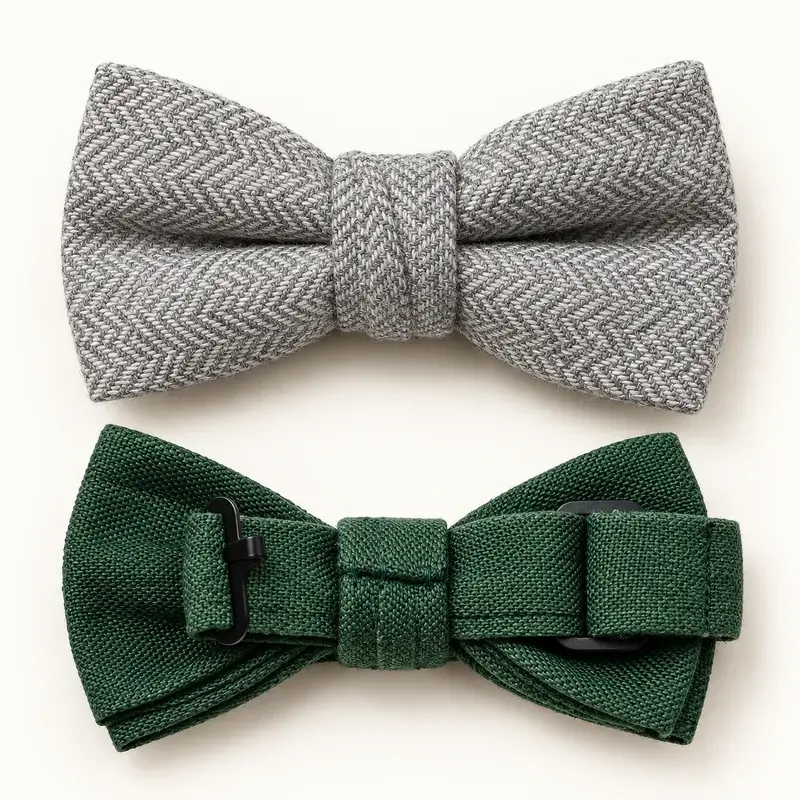
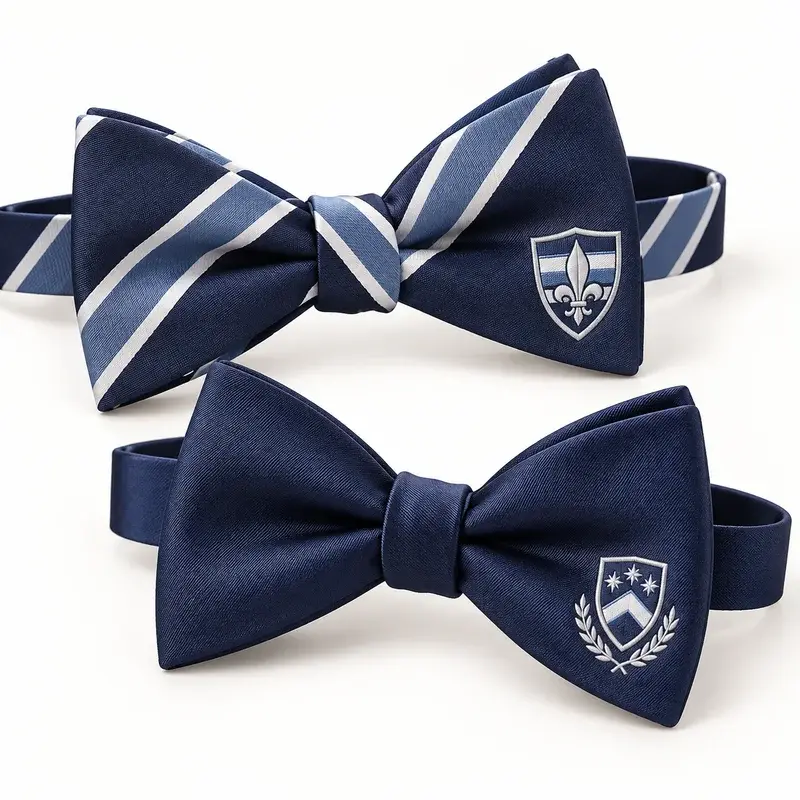
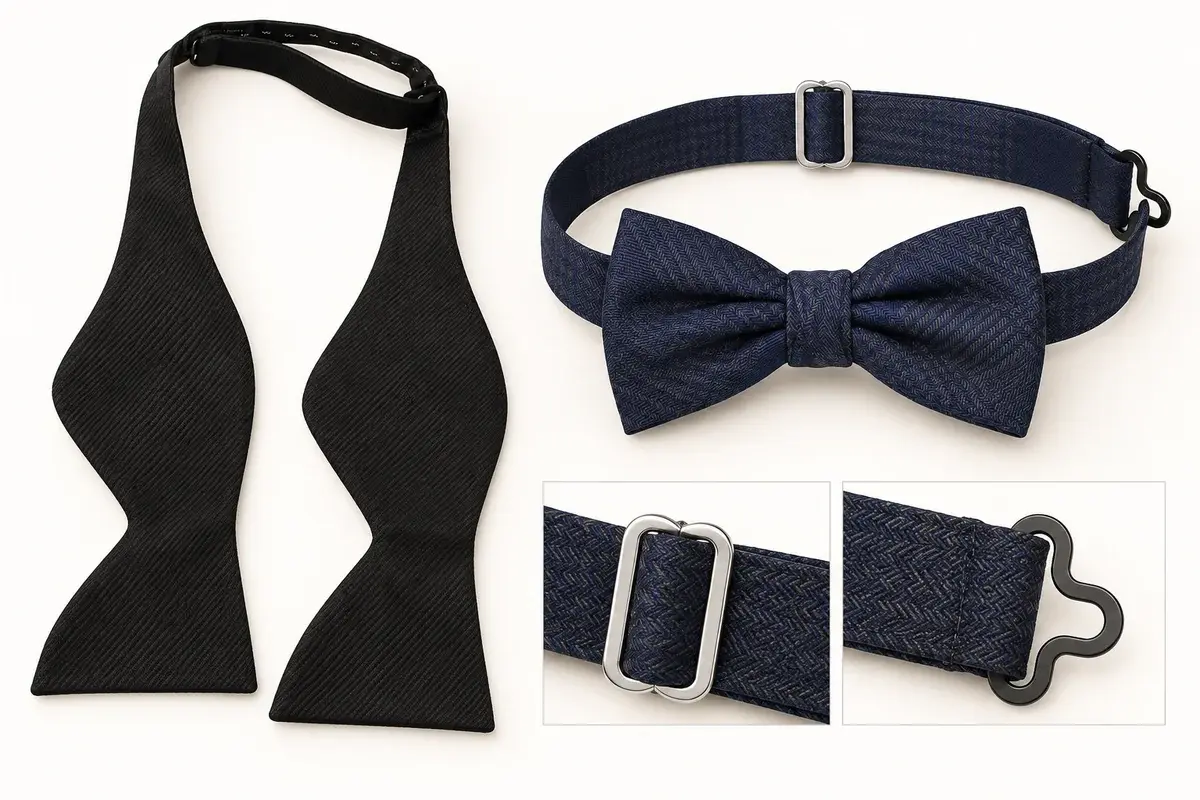
Choose the Wearing Format and Neck Fit
Self-tie and pre-tied bow ties suit different wearer needs. Approve the complete neck and front construction rather than only the visible bow.
- Select Self-Tie for a Hand-Tied Result
Approve the unfolded shape, finished dimensions, material behavior, neck fit, and the appearance of an actual tied sample. - Select Pre-Tied for Consistent Wear
Approve the finished front shape, center knot, band, adjustment, closure, neck range, and appearance across the intended wearer group. - Define the Wearer and Fit Range
Provide wearer measurements or the required neck range and identify any adult, child, role, or special-fit group for review. - Approve the Complete Wearing Sample
Check comfort, position, front proportion, band visibility, adjustment, closure, and suitability for repeated use before production.
Set Shape, Proportion, Material, and Artwork
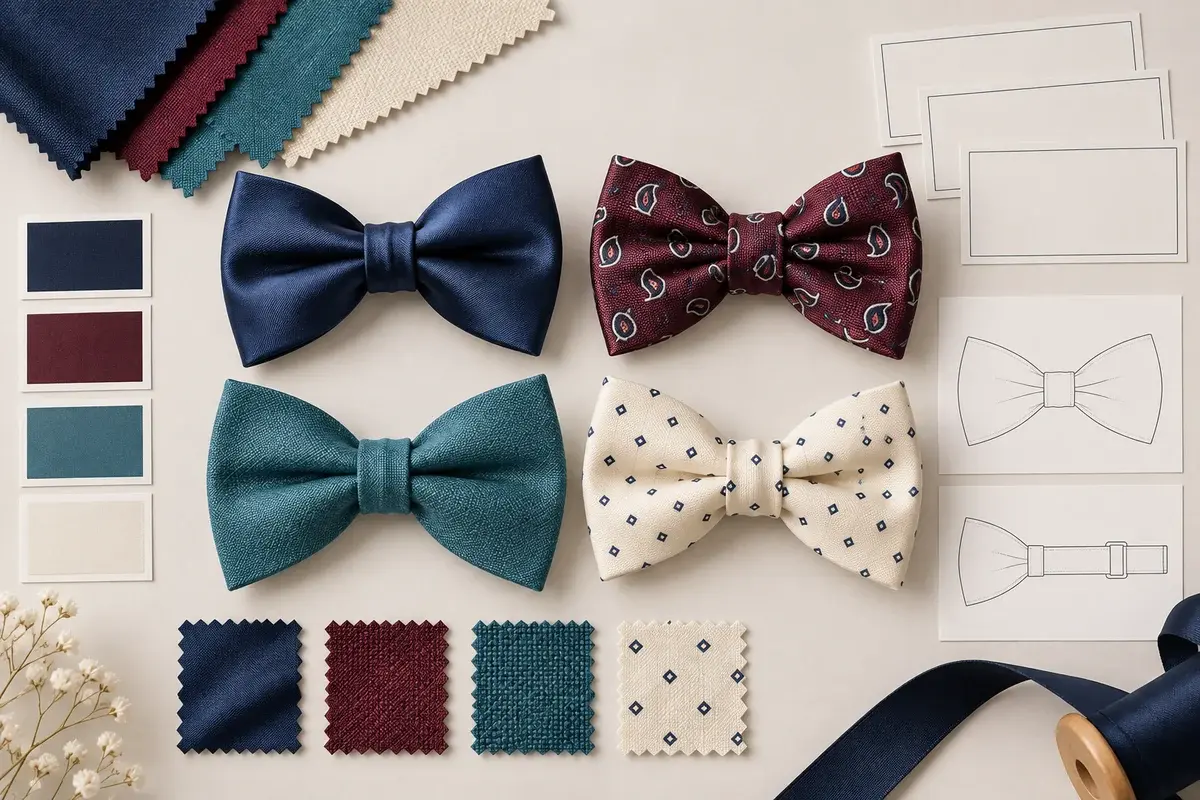
The same artwork changes when it is woven, printed, cut, tied, or pre-formed. Approve the complete bow rather than a flat digital layout alone.
- Define the Bow Profile
Use a butterfly, batwing, diamond-point, or supplied reference to define the shape, then confirm exact finished dimensions through sampling. - Select the Material Surface
Compare silk, polyester, and cotton for the required formal appearance, hand feel, structure, color, artwork method, use, and budget. - Match Artwork to the Method
Use printing for detailed multicolor artwork or jacquard weaving for integrated texture; review embroidery, transfer, and foil where appropriate. - Check the Finished Visual Area
Approve color, repeat, logo scale, cut position, center knot, wing balance, and artwork visibility on the tied or pre-formed sample.
Plan Event Variants, Labels, and Packing
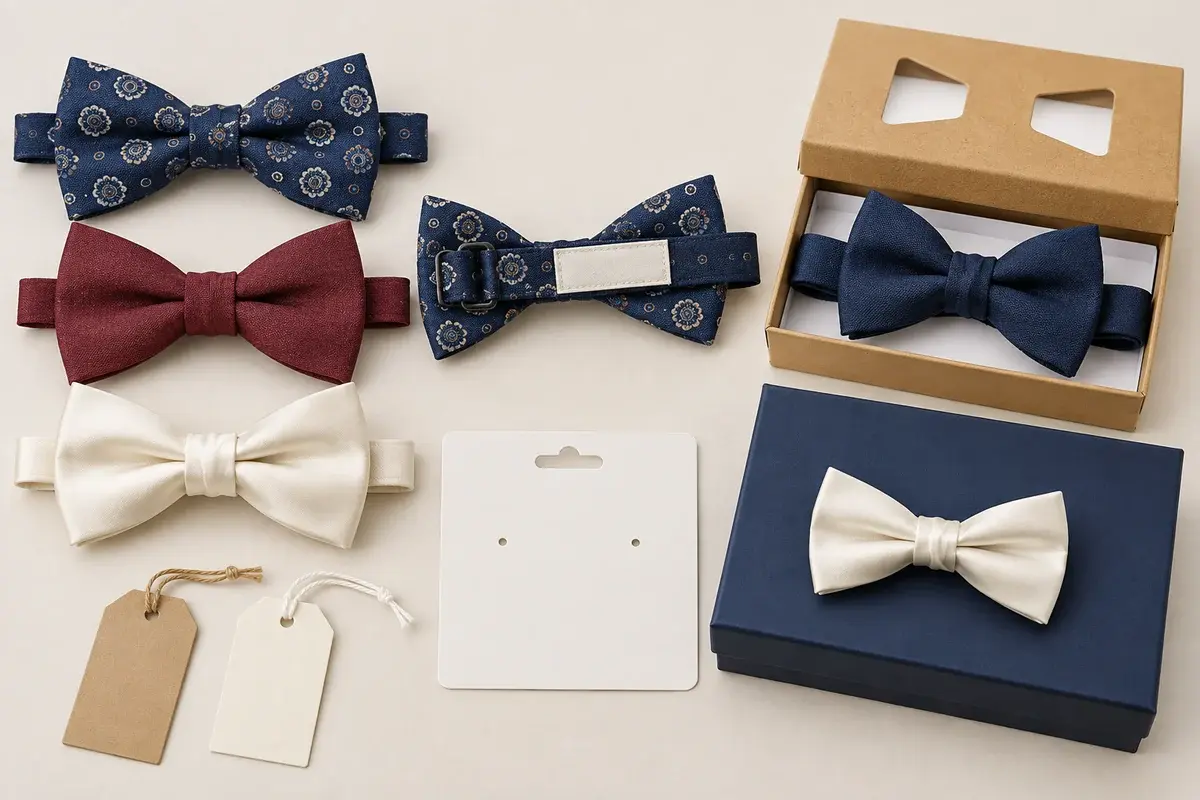
Use one allocation schedule for every approved color, role, wearer group, event location, label, and packing format so each variant remains identifiable during production and delivery.
- Name Every Approved Variant
Assign a clear name to each color, logo, role, wearer, size, or location version and connect it to an approved sample. - Allocate Quantity by Group
Record the quantity for each wearing format, shape, color, artwork, neck specification, label, packing type, and delivery group. - Define Labels and Presentation
Confirm main and care labels, hang cards, individual wrapping, gift boxes, visible branding, and any retail or event presentation requirement. - Control Packing and Delivery
Use variant identification, inner packs, carton marks, group quantities, destination allocation, and required dates to support organized distribution.
Three Ways to Build a Bow Tie Program
Choose the route that best matches the surface, artwork, and use, then approve the selected wearing format, proportions, neck fit, labels, and packing.
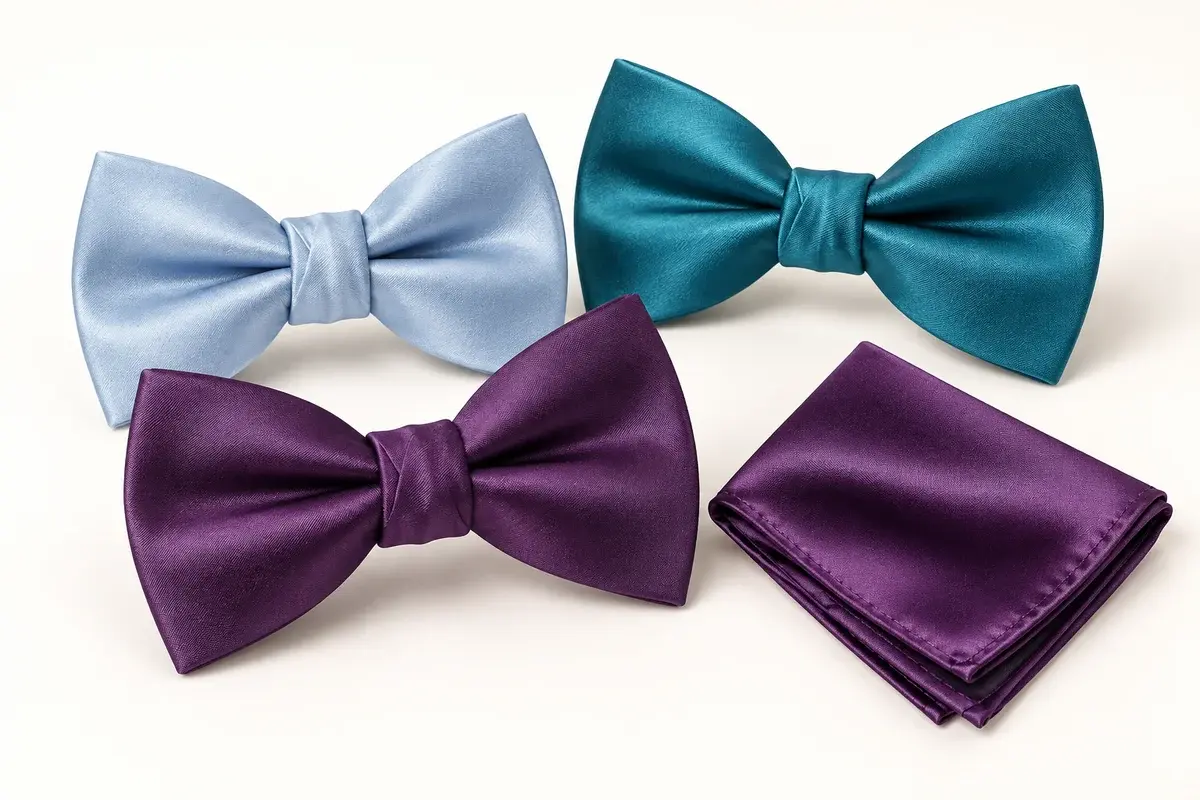
Formal Silk Bow Tie
Uses silk when hand feel, sheen, drape, and a formal presentation are central to a wedding, event, gift, or branded collection.
Discuss a Silk Bow Tie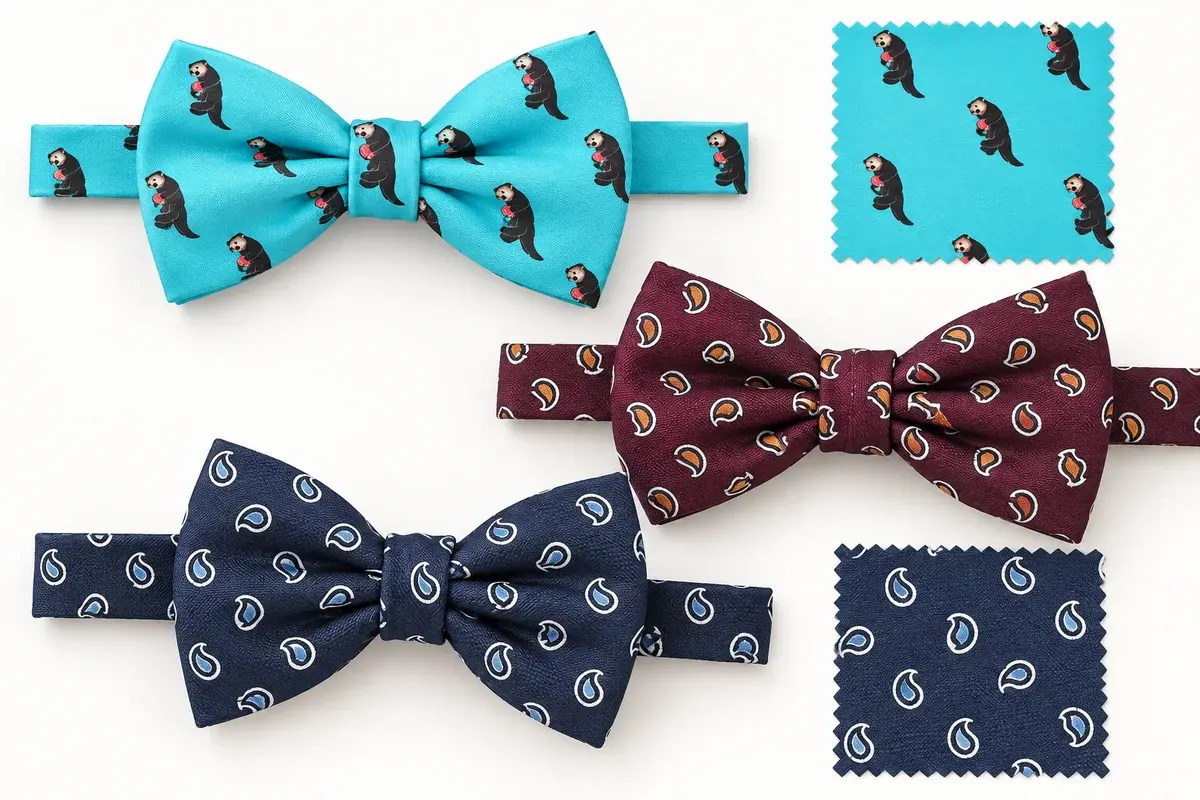
Printed Artwork Bow Tie
Places multicolor, detailed, illustrated, or repeating artwork on an approved material and checks how cutting and forming affect the visible design.
Review a Printed Design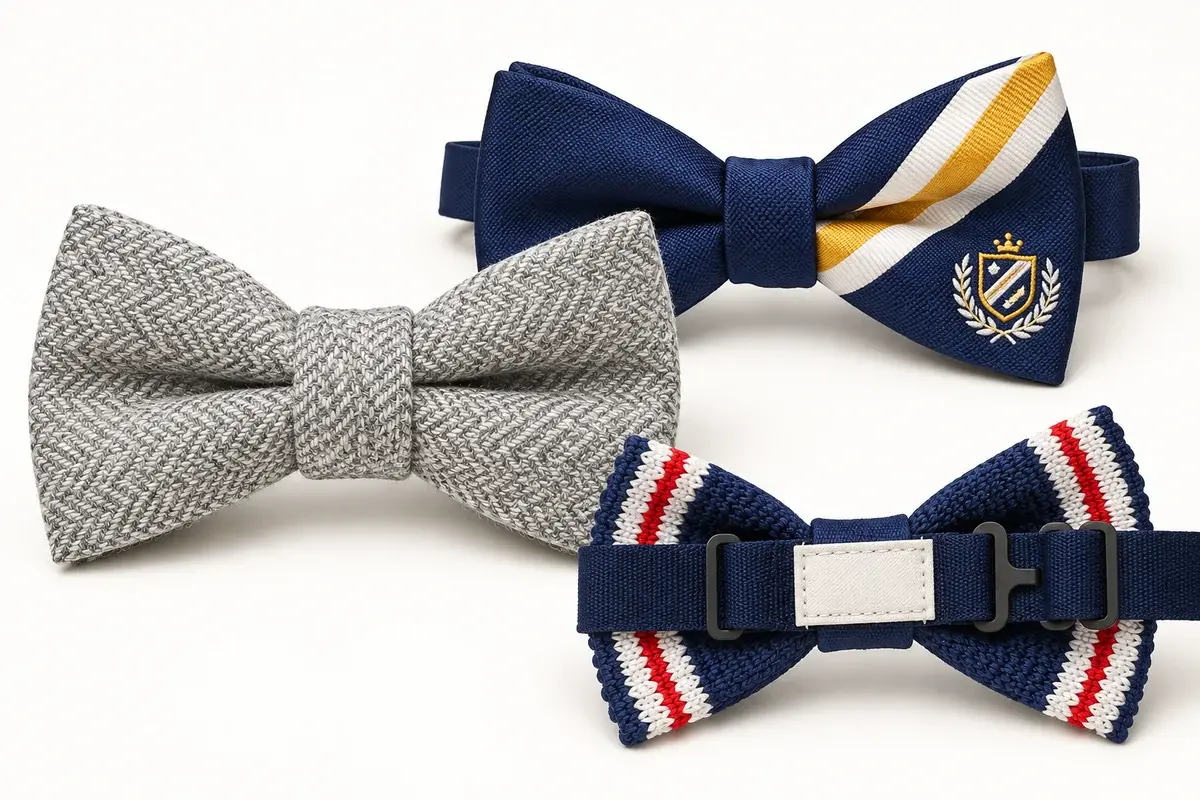
Woven or Logo Bow Tie Program
Reviews jacquard, print, embroidery, transfer, or foil for texture or brand identification based on the artwork, material, and intended visibility.
Plan a Logo Program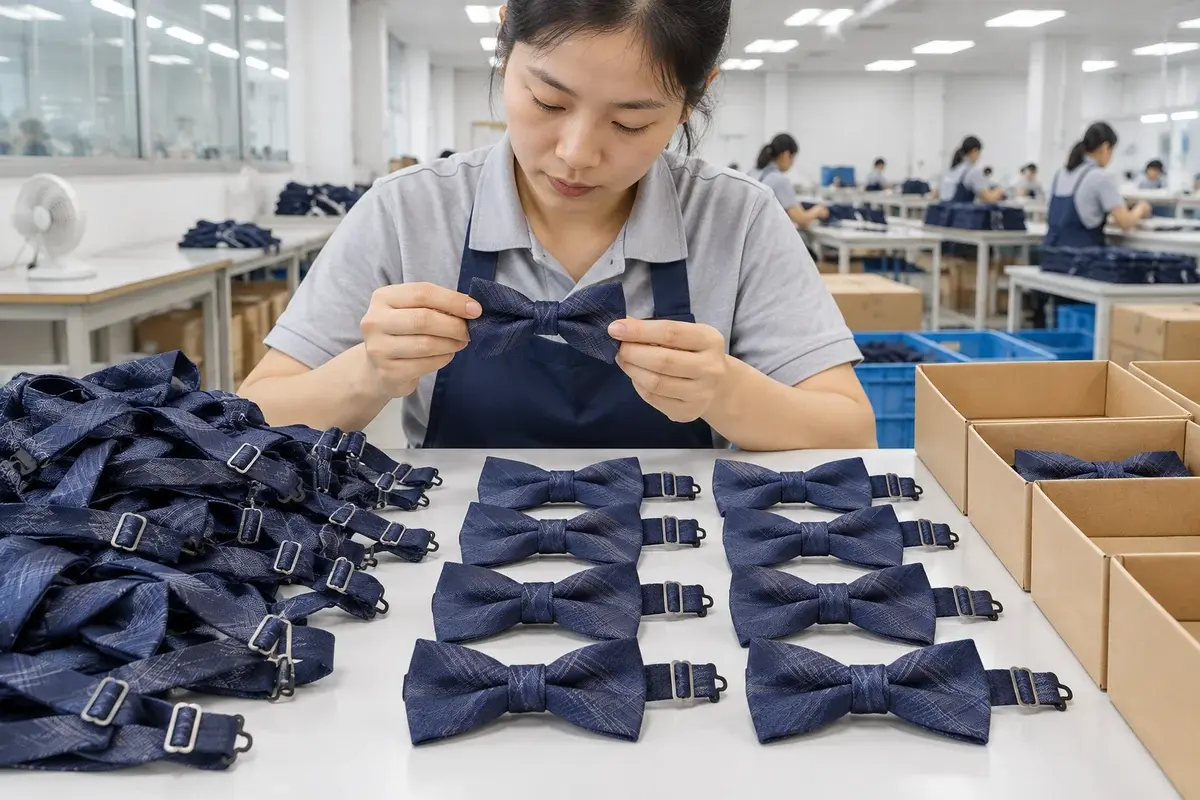
Bow Tie Production and Finished-Shape Checks
LuxoTie manages artwork review, woven or printed development, cutting, bow tie sewing and forming, pressing, labeling, inspection, and packing. IQC, IPQC, and FQC check material, color direction, artwork, finished shape, dimensions, wearing structure, approved variants, labels, and packaging against the project reference.
Start Your Custom Bow Tie Project
Send your bow tie requirements and estimated quantity.
Request a Custom Quote