
LuxoTie

Sustainable Tie Manufacturing

Review material, waste-reduction, packaging, and documentation options for custom tie orders, with scope, availability, MOQ, pricing, and timing confirmed per project.
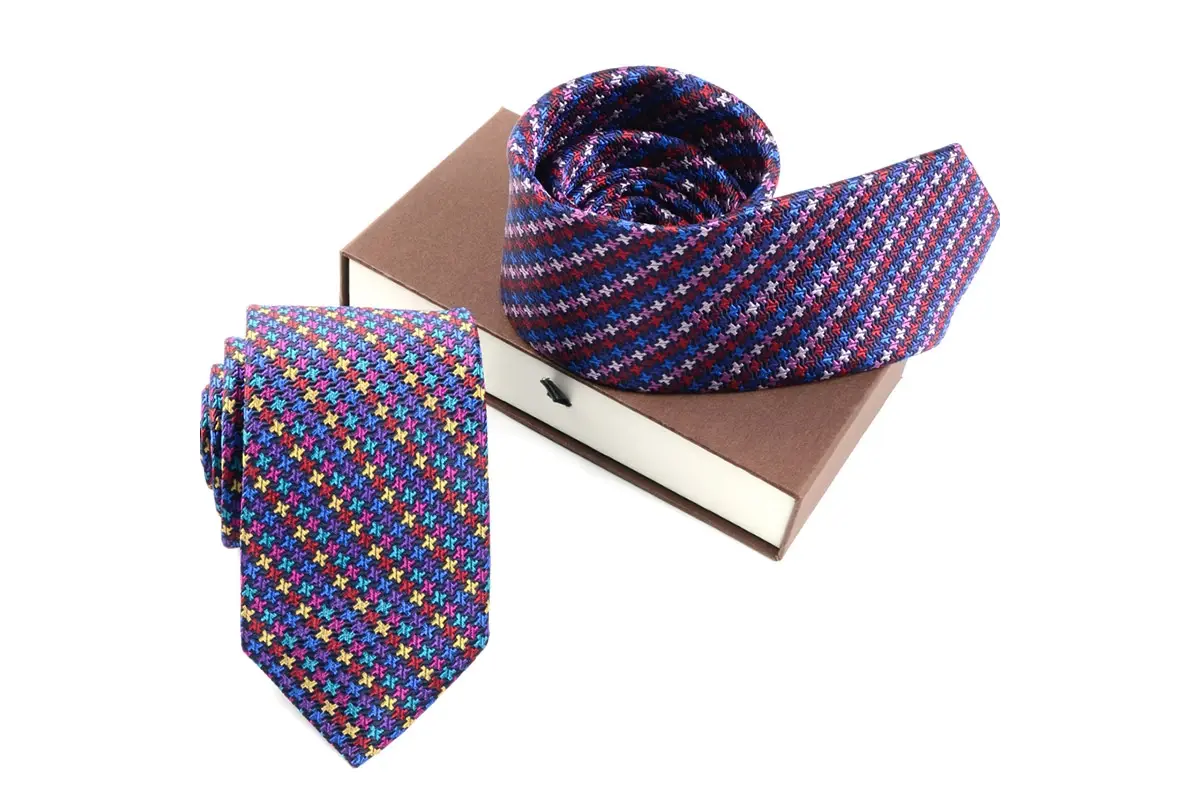
Colorful patterned ties displayed with a cardboard gift box

Practical Choices for Each Order

Available choices depend on the product, sourcing conditions, and documents for the specific project.

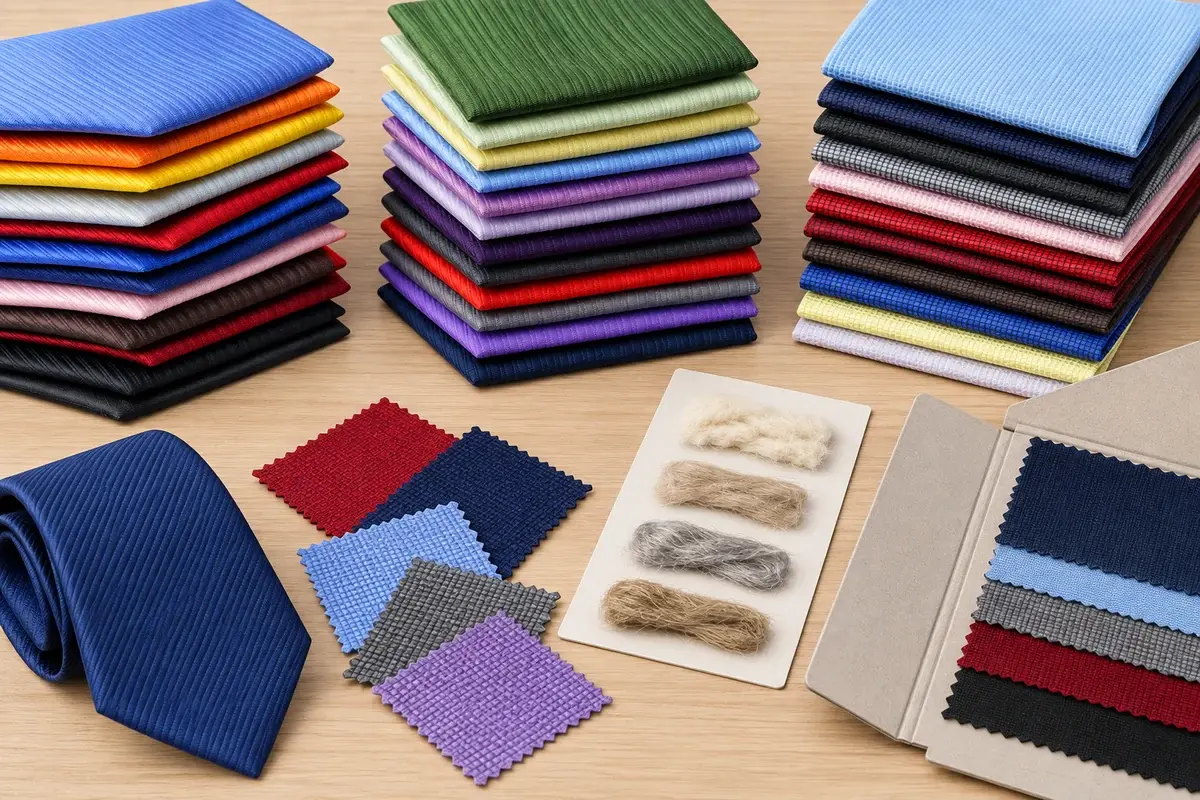
Tie fabric swatches and fiber samples arranged for sourcing review

Materials and Sourcing

Choose from available silk, polyester, cotton, wool, and viscose options. Recycled or organic choices are confirmed for each project.
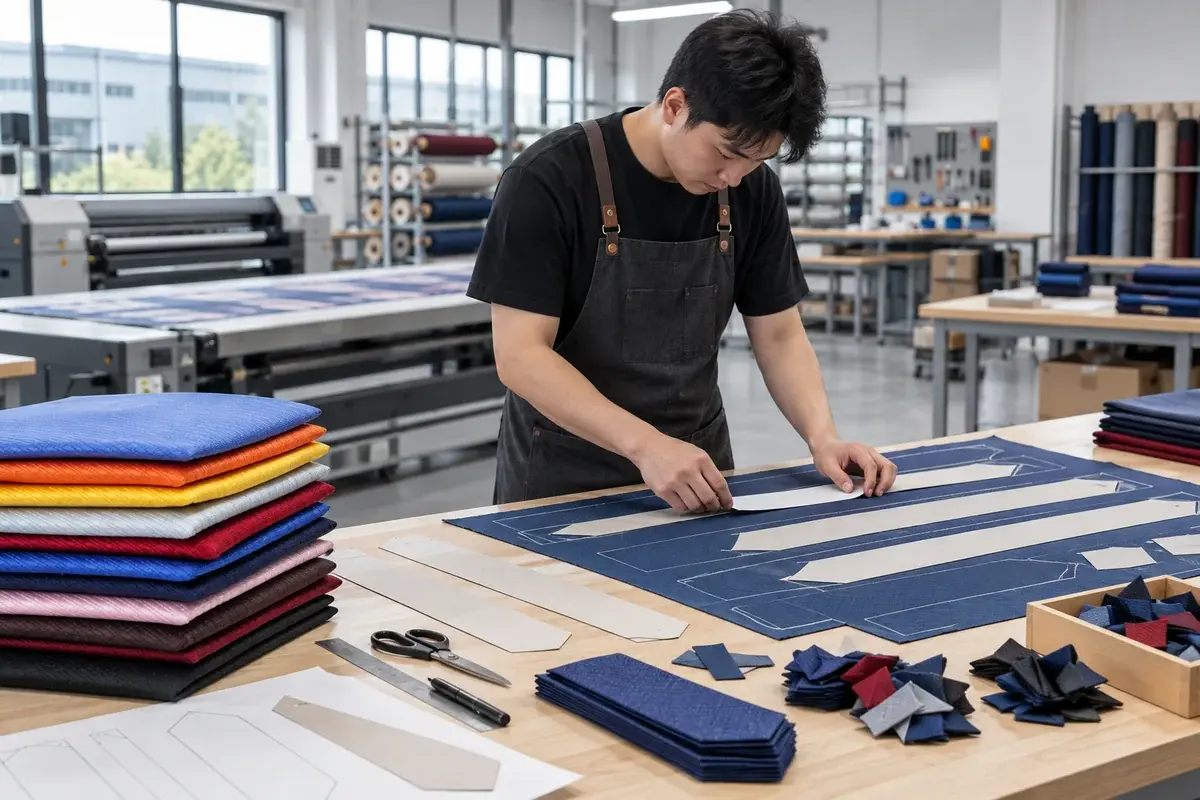
Worker planning a tie cutting layout with sorted fabric offcuts

Production and Waste

Cutting layouts, batch control, in-process checks, and material sorting help limit avoidable waste and rework.
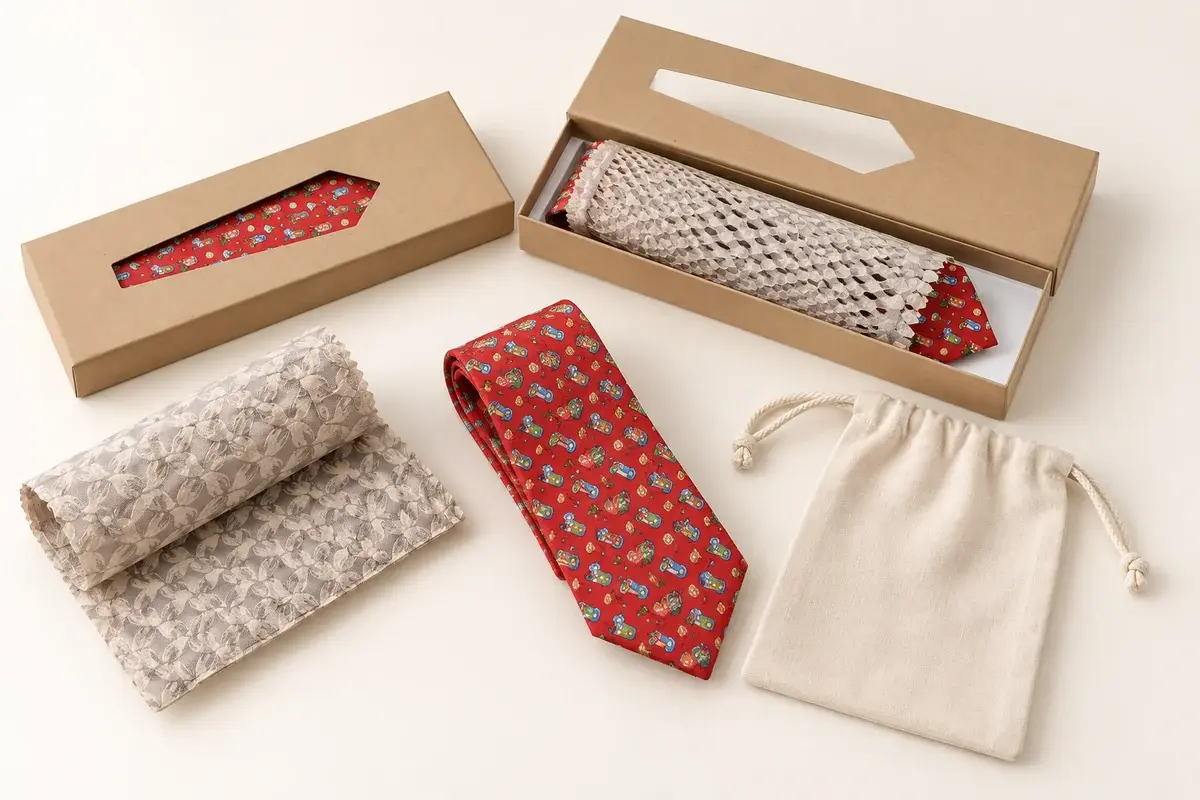
Kraft tie boxes, honeycomb paper protection, and a reusable cloth pouch

Packaging and Delivery

Projects can reduce unnecessary components or use alternative packaging while preserving labeling, protection, and shipping needs.
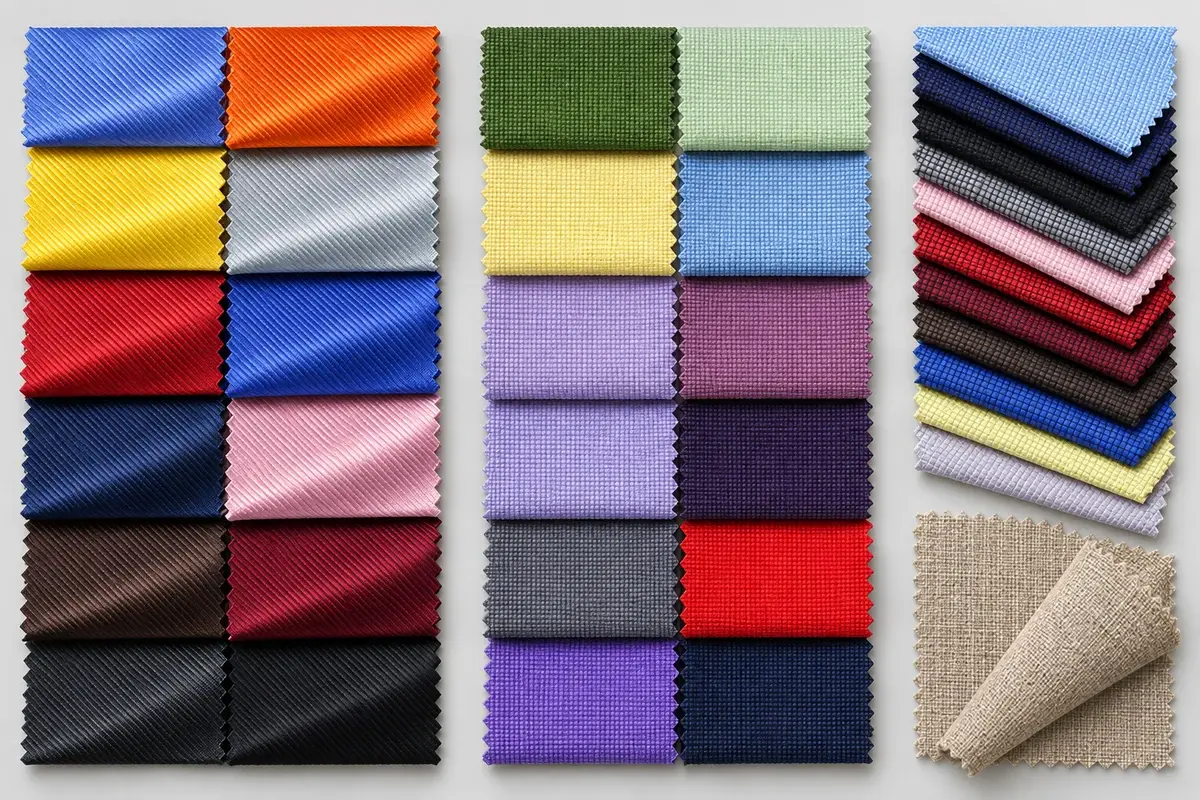
Tie fabric swatches grouped by color and weave for project selection

Material Options by Project

Material selection depends on the tie type, required appearance, supply, quantity, document scope, and target market.

  • Pure Silk and Polyester
    Core choices include pure silk and standard polyester for woven, printed, corporate, school, and private-label tie programs.
  • GRS Recycled Polyester
    Recycled polyester can be reviewed when its supply and relevant GRS document coverage match the project.
  • Cotton Options
    Cotton is available, while organic cotton sourcing is confirmed for each project.
  • Wool and Viscose Blends
    Wool blends and viscose or rayon blends can be considered according to product use and material availability.

Production and Waste Practices

Production planning helps prevent avoidable waste, while material-specific handling is used after production.
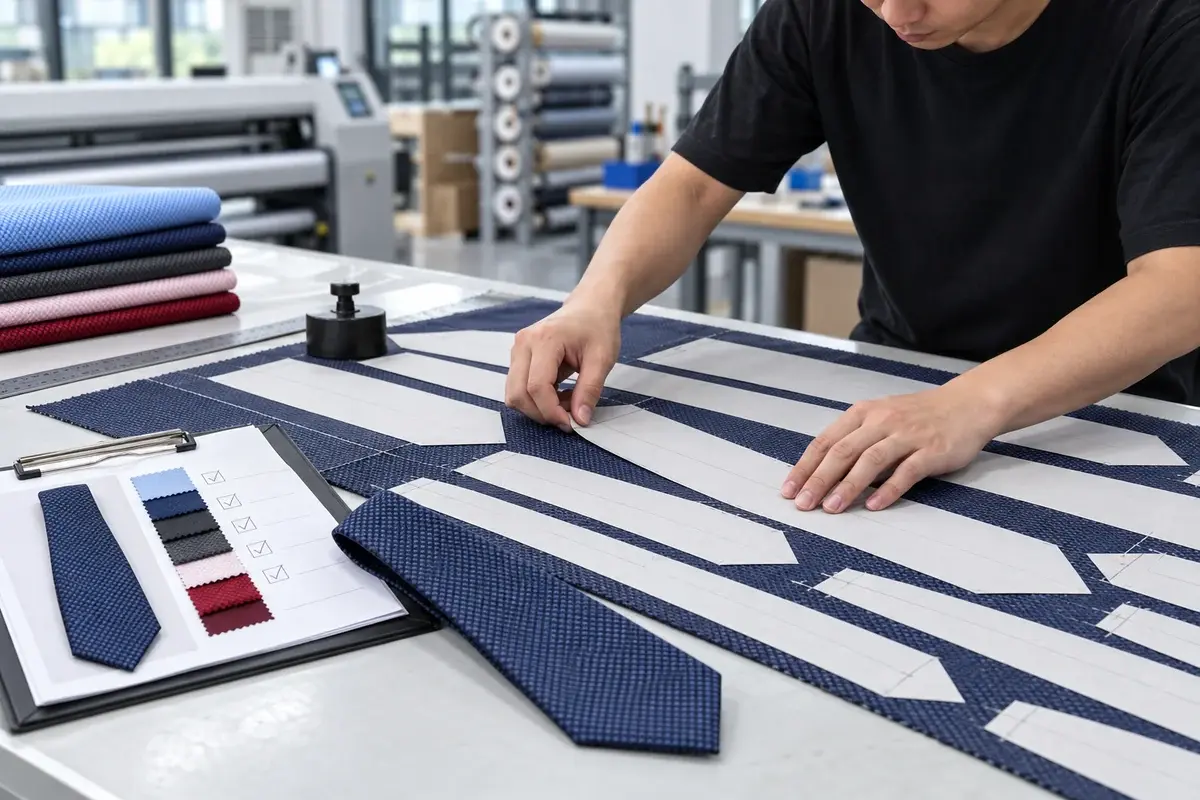
Worker aligning tie templates on fabric before cutting

Planning to Reduce Rework

Production controls are applied before and during manufacturing to improve material use and identify issues earlier.
  • Cutting Layouts
    Fabric placement is planned to reduce avoidable offcuts while meeting tie construction requirements.
  • Batch Control
    Production and batch planning keep approved materials, colors, and specifications aligned.
  • In-Process Checks
    Checks during cutting, printing or weaving, sewing, and finishing help identify problems before later stages.
  • Team Training
    Ongoing production training is used to reduce defects and repeated work.
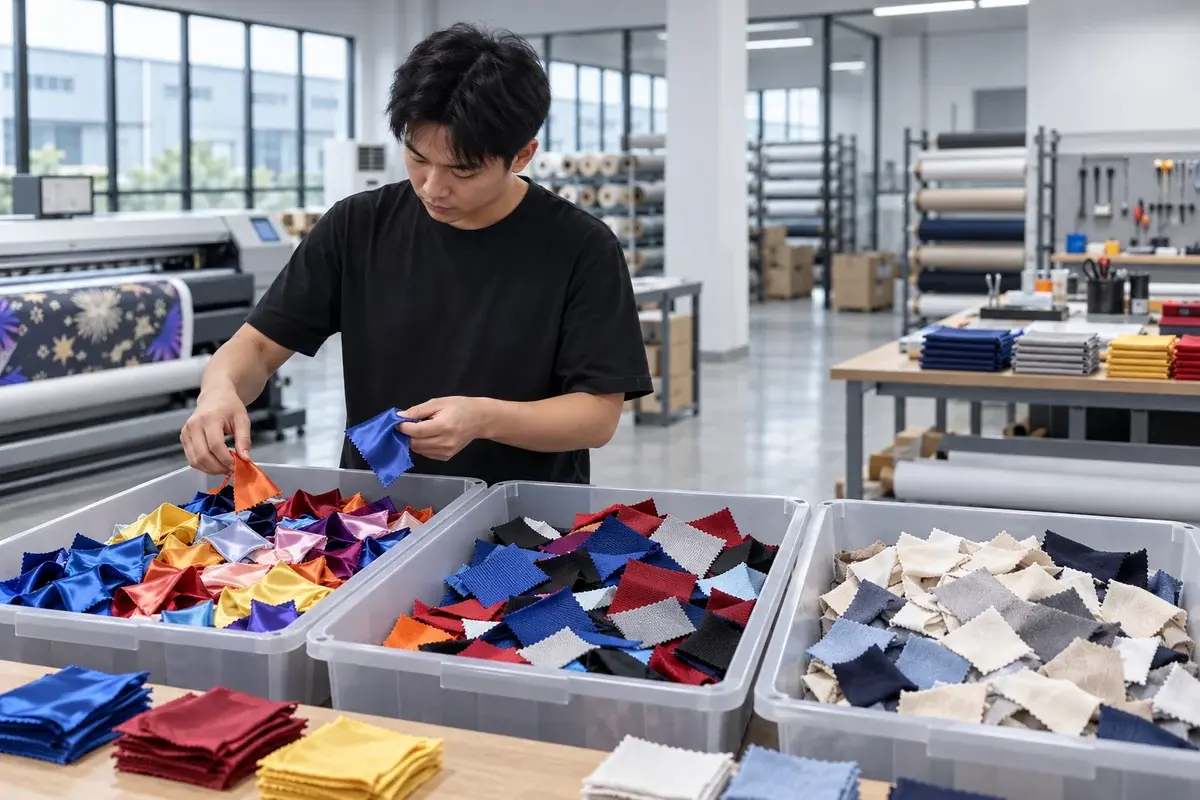
Worker sorting small textile offcuts into separate workshop bins

Sorting and Handling Material Waste

Silk, polyester, cotton, and other material waste is separated so an appropriate route can be chosen under local conditions.

  • Sort by Material
    Offcuts and rejected material are separated by categories such as silk, polyester, and cotton.
  • Reuse Where Suitable
    Suitable remnants may be used for small accessories or samples.
  • External or Controlled Handling
    Depending on local options, waste may go to a compliant recycler or be handled through controlled disposal under environmental requirements.

Packaging Options for Custom Tie Orders

Packaging is selected according to product protection, branding, labeling, shipment method, and the materials available for the project.
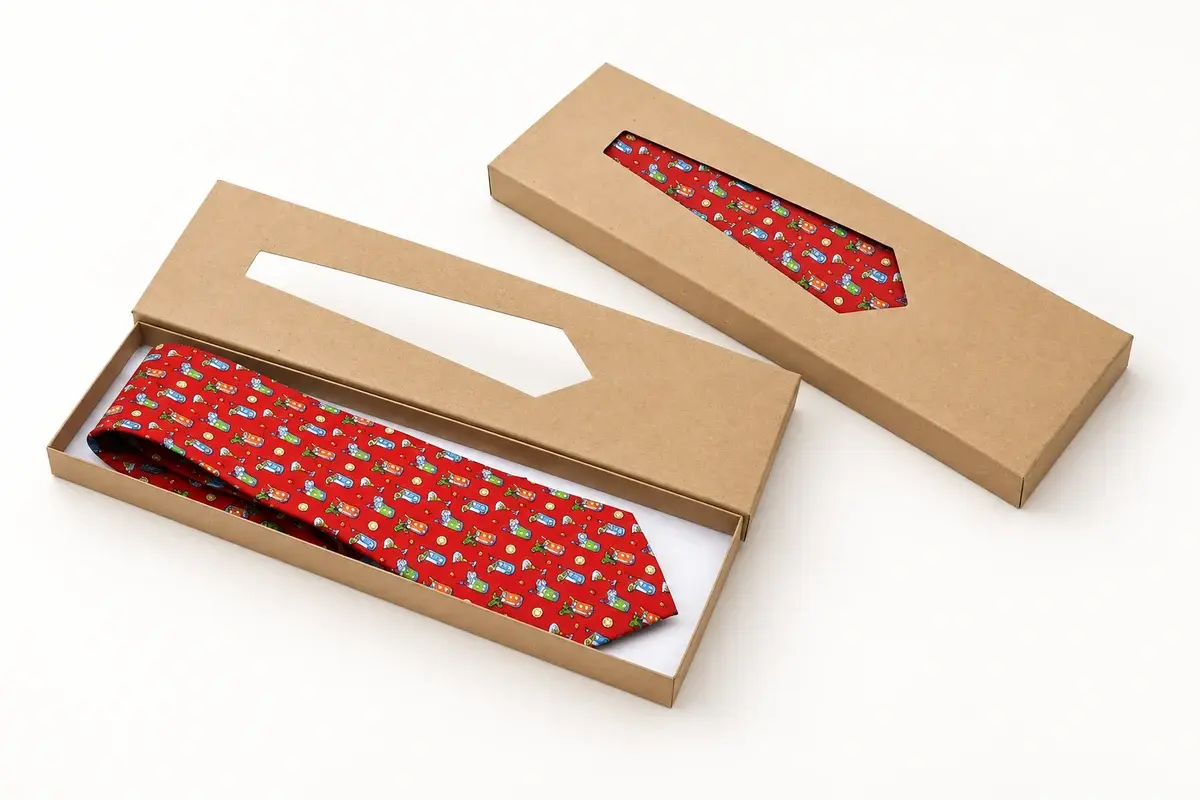
Custom tie presented in minimal fitted kraft paper packaging

Reduce Unnecessary Components

Projects can reduce unnecessary individual plastic bags, excess paper inserts, and extra labels while using better-fitted cartons and less filler.
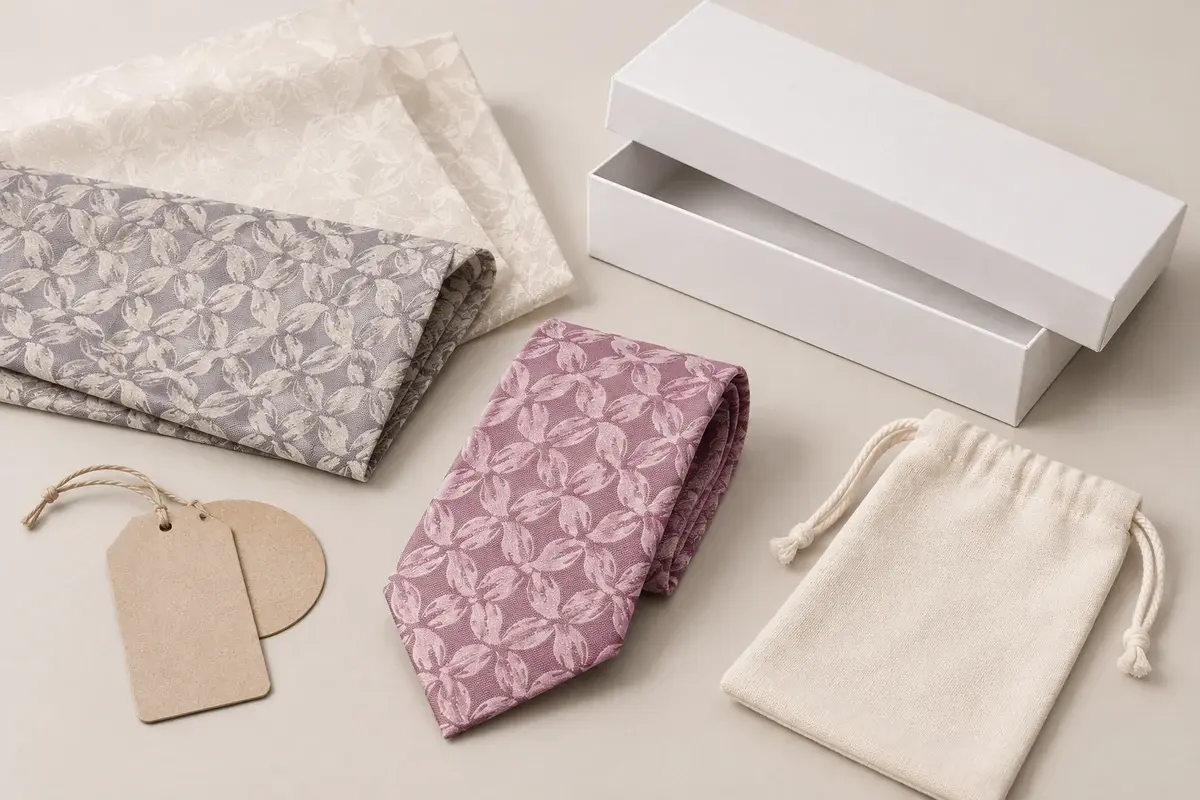
Paperboard box, paper tags, and reusable cloth pouch packaging options

Alternative Packaging Materials

Options may include kraft paper boxes, recycled paper hang tags, recyclable cartons, biodegradable bags, and reusable cloth bags.
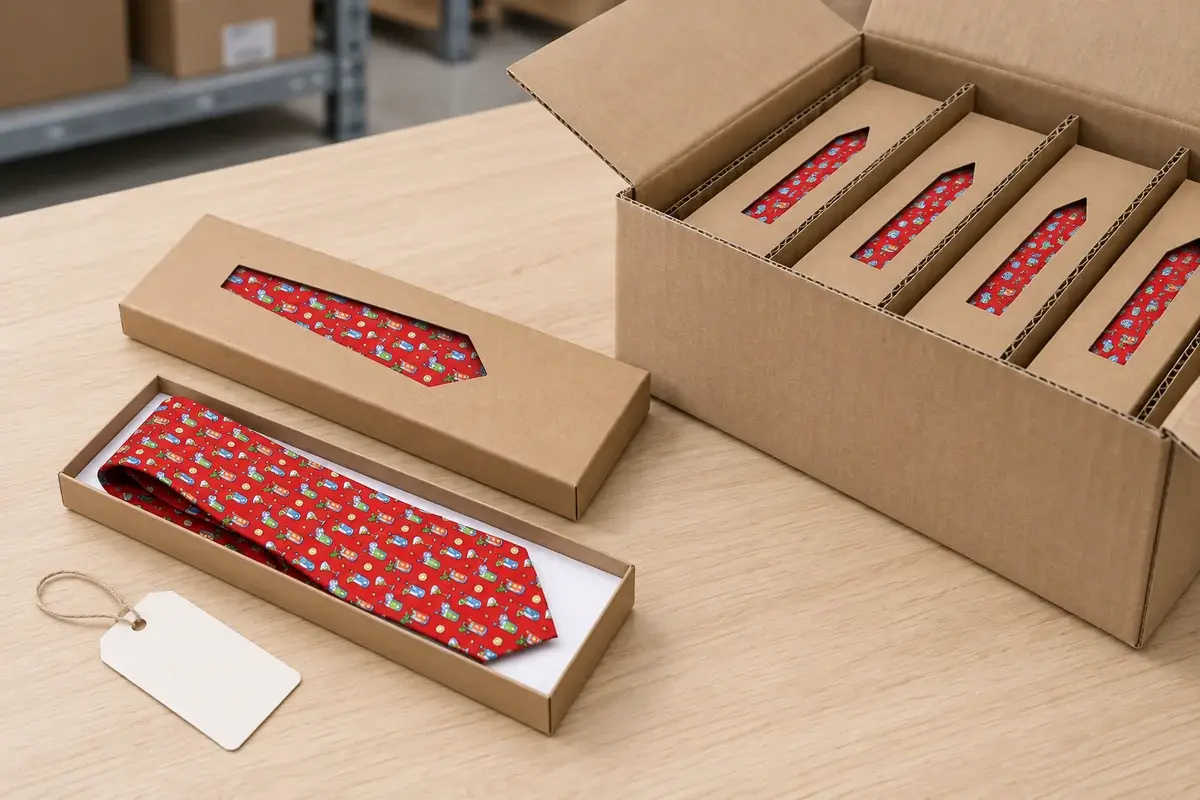
Tie boxes arranged in a divided shipping carton for packing review

Confirm Protection and Branding

Final packaging must still meet presentation, labeling, carton, transport, MOQ, price, and lead-time requirements.
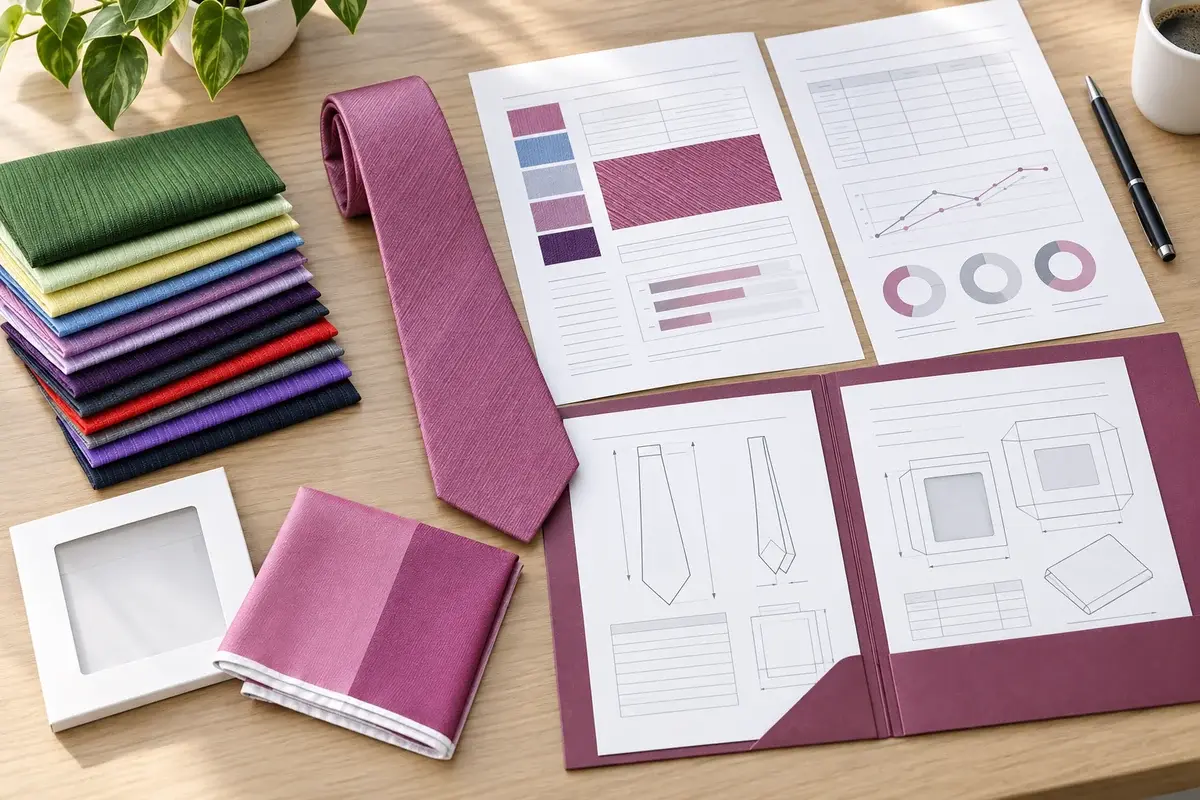
Tie sample, fabric swatches, and project specification documents

Documents Supporting Project Claims

Available evidence is matched to the actual material, supplier, test, and order scope before a claim is used for a project.

  • Material Specifications
    Specifications can identify the material and composition supplied for a project.
  • Test Reports
    Colorfastness, tensile, or other relevant test reports may be provided when available for the selected material.
  • Document Scope
    For OEKO-TEX Standard 100, REACH or GRS requirements, confirm which documents apply to the selected material and order.
  • Supplier Compliance Files
    Supplier documents or material proof may be shared according to availability, relevance, and any necessary confidentiality limits.

Review Your Project Requirements

Send your material or packaging requirements and quantity. Available options, MOQ, price, and timing require project confirmation.

Discuss Your Requirements

Sustainability Questions from Buyers

You can request pure silk, polyester, GRS recycled polyester, wool blends, cotton, organic cotton, and viscose or rayon blends. The final choice depends on the product, supply, quantity, required appearance, and available document coverage.
Depending on availability and applicability, we may provide material specifications, relevant test reports, OEKO-TEX, REACH or GRS documents, and supplier compliance files. Confirm the document holder, covered material, supplier and relevance to your order before relying on a document.
We use cutting layouts, production and batch planning, in-process checks, and training to limit avoidable waste and rework. Material waste is sorted and may be reused for samples or small accessories, sent to a compliant recycler where available, or handled through controlled disposal under local environmental requirements.
Yes. A project can reduce unnecessary individual plastic bags, excess paper inserts, labels, unused carton space, and fillers where protection allows. Kraft paper boxes, recycled paper tags, recyclable cartons, biodegradable bags, and reusable cloth bags can also be reviewed against branding and shipping needs.
They may affect MOQ, price, sample timing, or production lead time. The availability of recycled polyester, organic cotton, certified materials, special documents, and alternative packaging is confirmed against supply, scope, quantity, testing, and project requirements before quotation.