
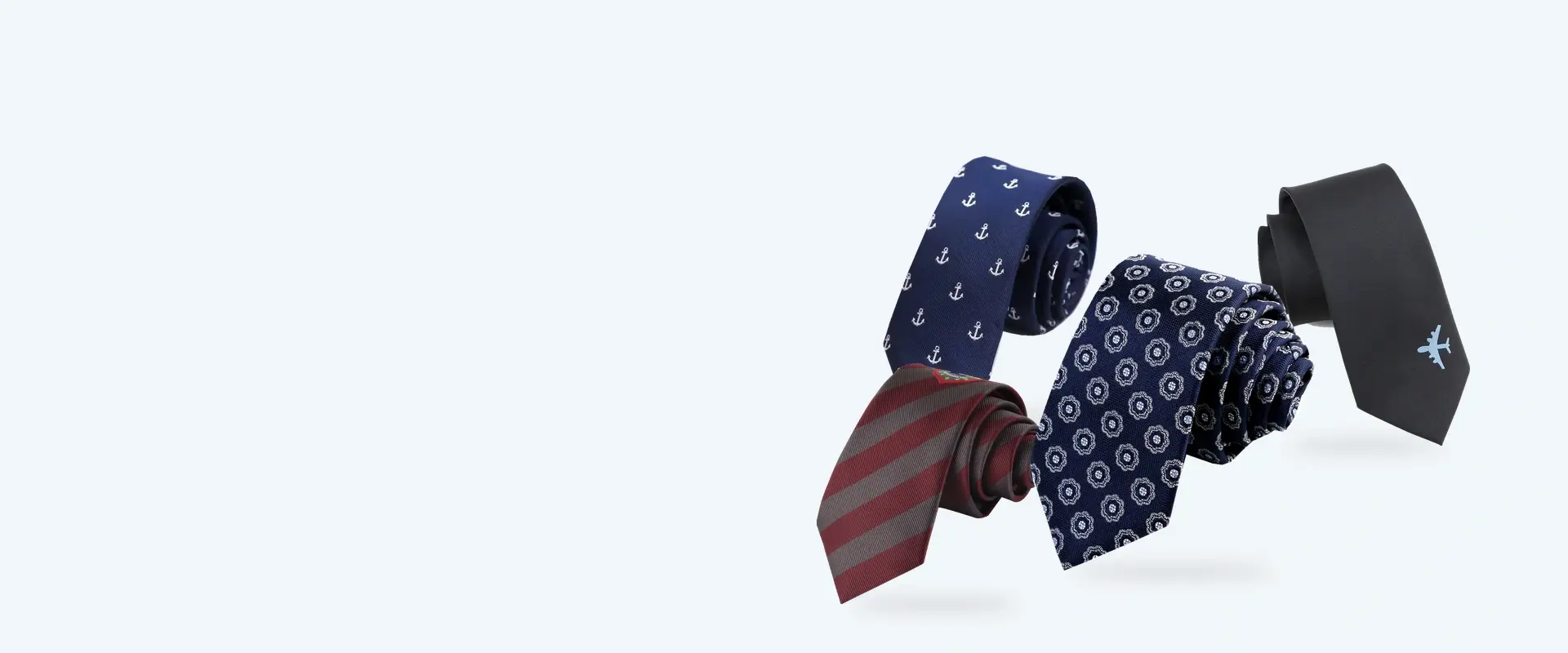
Custom Woven Ties
Prepare logos, stripes, and motifs for weaving by confirming material, yarn colors, repeat scale, placement, sizing, labels, and packaging.
- ✓ Woven-In Logos and Stripes
- ✓ Artwork Feasibility Review
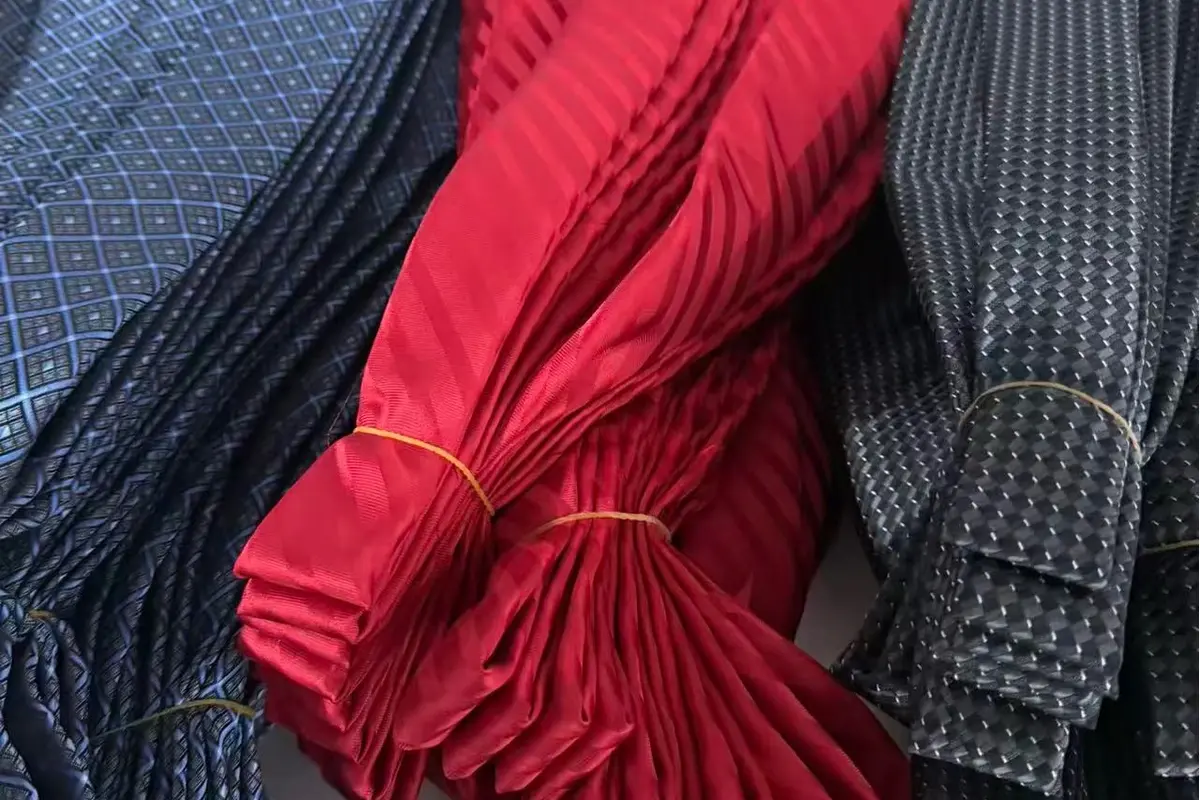
A Production Partner for Custom Woven Ties
LuxoTie reviews artwork for weaving, coordinates yarn colors and specialist jacquard fabric inputs, and completes core cutting, interlining, sewing, pressing, inspection, labeling, and packing for approved logo, stripe, and uniform programs.
Six Decisions to Define Your Woven Tie
Confirm these points before sampling so the woven pattern, material, proportions, construction, and finished order follow one approved reference.

1. Material and Hand Feel
Compare polyester, silk-polyester blend, and pure silk by appearance, hand feel, project positioning, and budget.

2. Weave-Ready Artwork
Review small text, fine lines, gradients, and complex shapes before converting the artwork into a woven pattern.

3. Yarn Color Planning
Supply Pantone or physical references, then approve practical yarn colors on the selected material or woven sample.
4. Repeat and Placement
Define the logo or motif size, spacing, direction, and position across the blade before sampling.

5. Tie Proportions
Confirm width, length, stripe scale, interlining, labels, and other construction details for the intended wearer and program.

6. Woven Sample Approval
Check pattern clarity, yarn color, repeat, placement, dimensions, stitching, finishing, labels, and packing before bulk production.
Compare Four Custom Woven Tie Routes
Choose by design system or program use. Jacquard covers broader woven patterns, while logo, striped, and corporate options target a specific result.
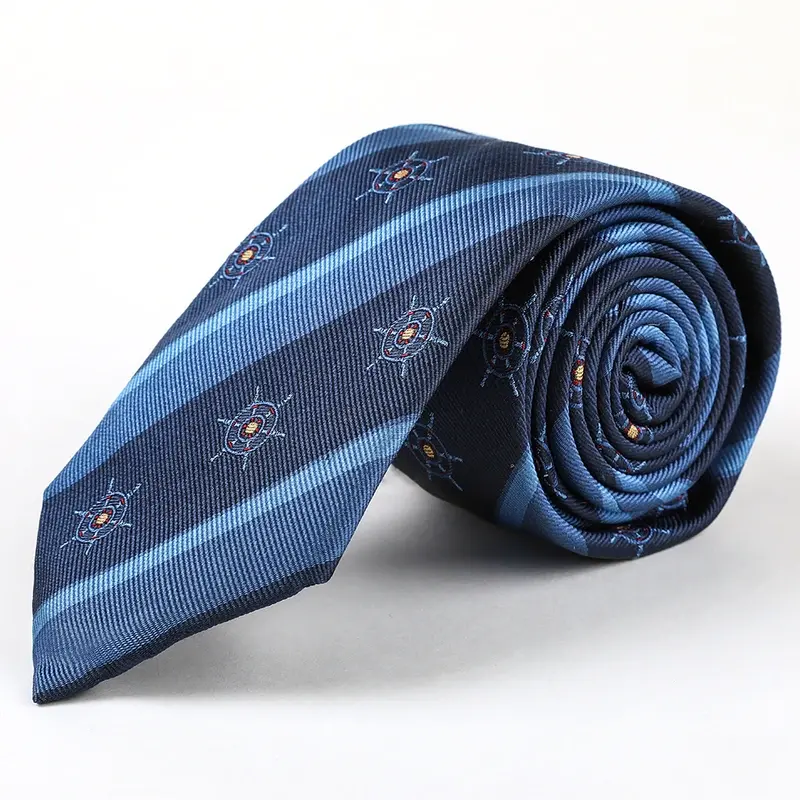
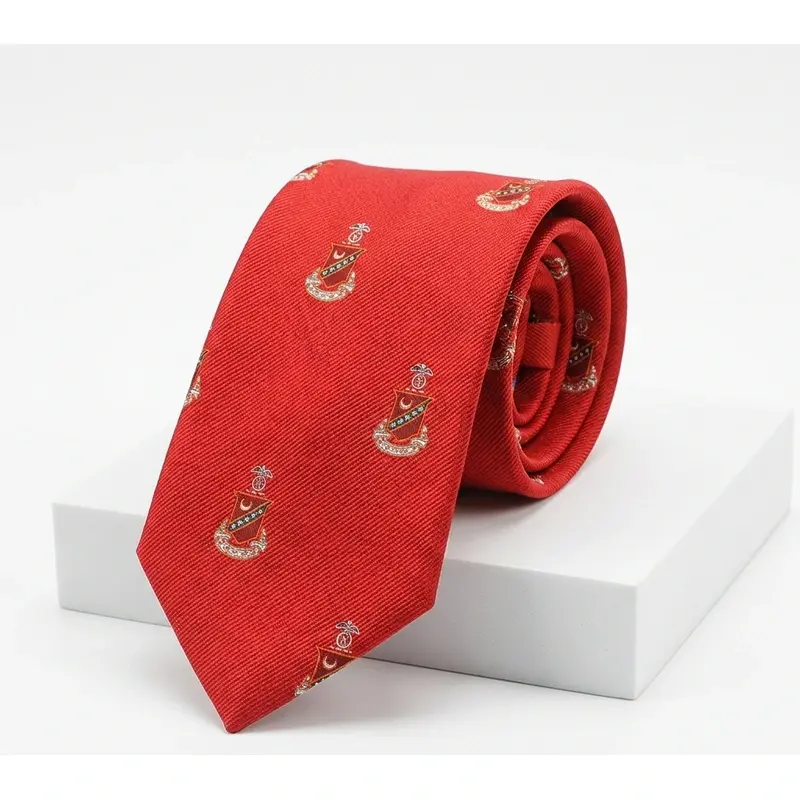
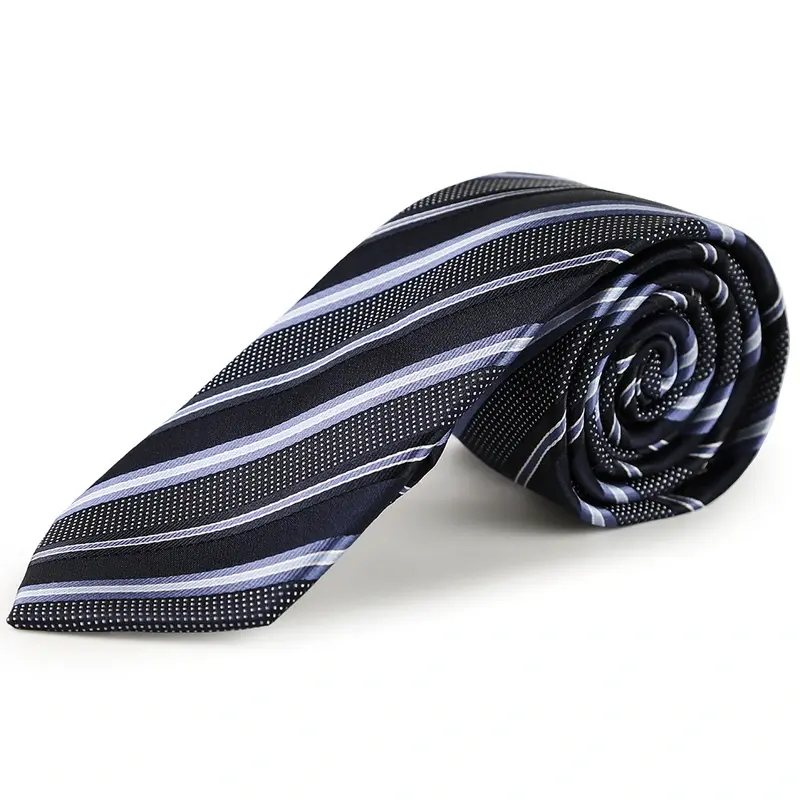
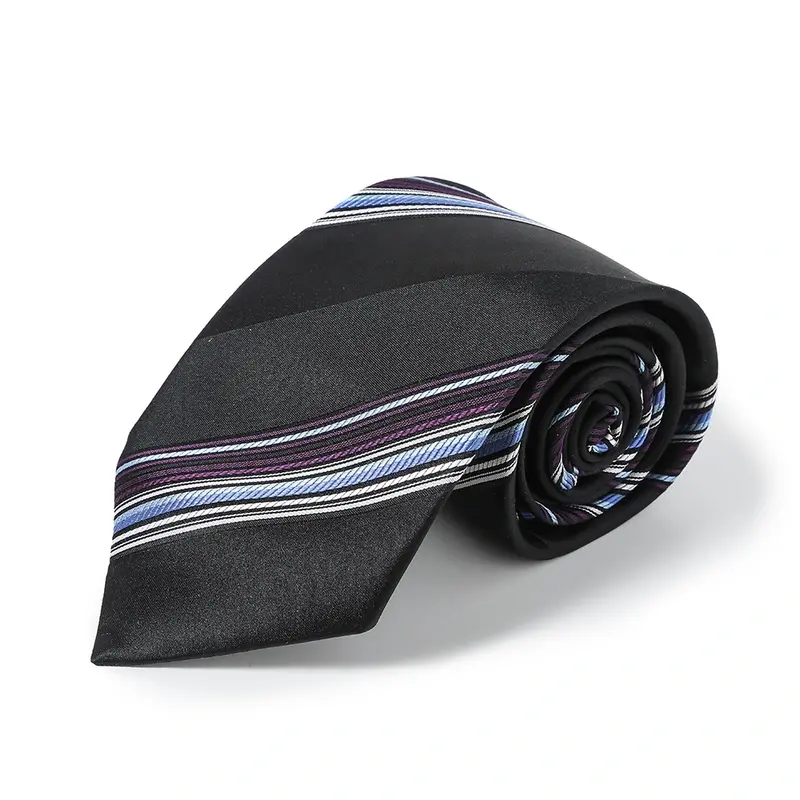
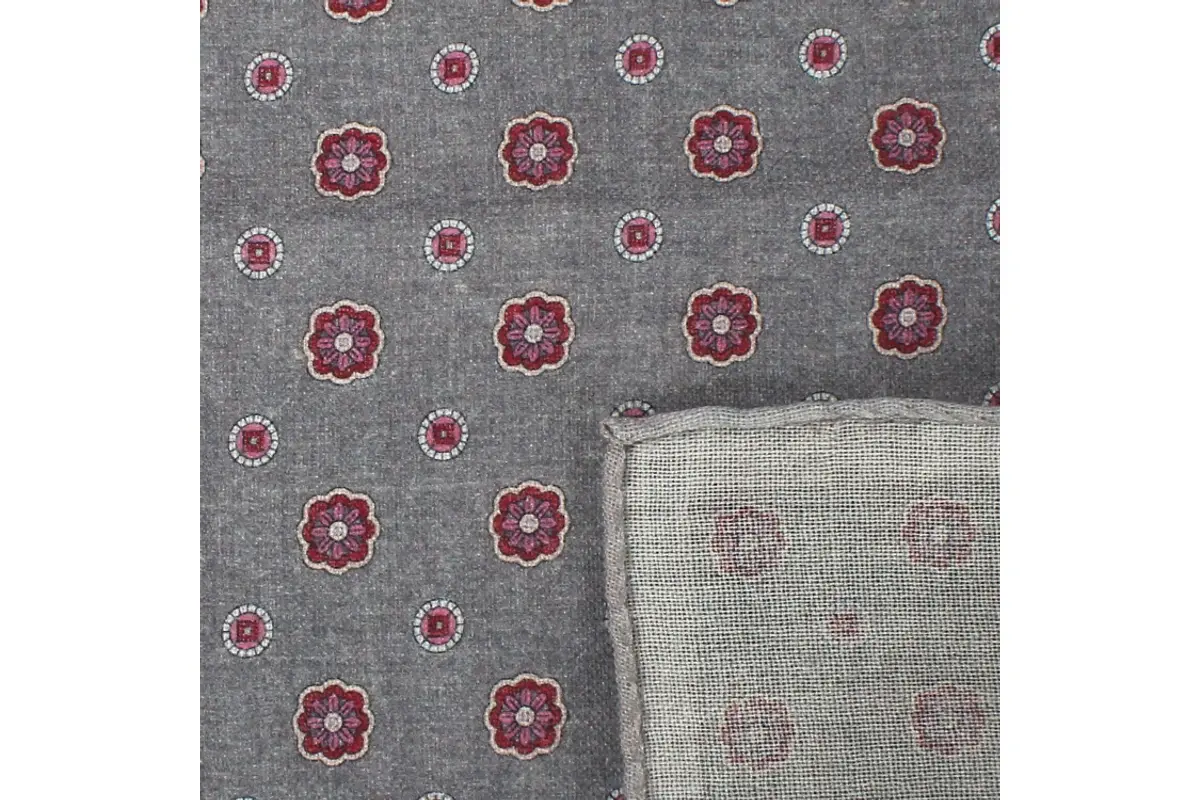
Convert Artwork into a Weave-Ready Pattern
Woven artwork is built with yarn, so clarity depends on line weight, lettering, color separation, repeat scale, and placement.
- Start with Clear Files
Supply AI, PDF, PSD, CDR, JPG, or PNG artwork plus dimensions and any available reference sample. - Simplify Fine Details
Review small text, thin lines, gradients, and photographic detail that may not remain clear in the weave. - Set the Repeat Scale
Confirm motif size, spacing, direction, and how the repeat runs across the finished tie blade. - Plan Logo Placement
Choose an all-over repeat or defined position, then approve its visibility at the knot and blade.
Choose Material and Yarn Colors
Material changes the surface, hand feel, color appearance, and cost. Approve the practical yarn combination on the selected material before production.
- Polyester
Choose polyester for cost-conscious volume orders and uniform programs, subject to the required yarn colors and sample approval. - Silk-Polyester Blend
Balance luster, hand feel, and cost when the project needs an option between polyester and pure silk. - Pure Silk
Choose pure silk for its natural sheen and drape when material presentation is a primary decision. - Color Approval
Provide Pantone or physical references and approve the closest practical woven result on the selected material.
Control Stripes, Proportions, and Brand Details
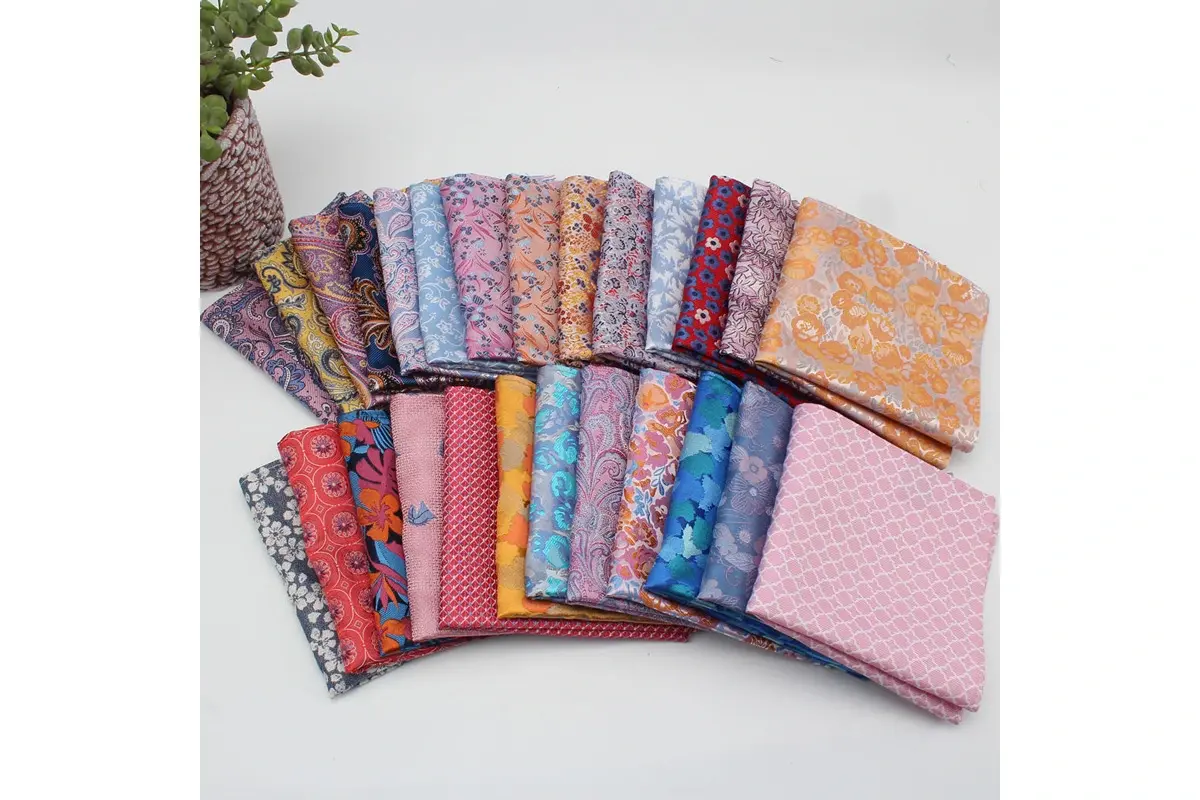
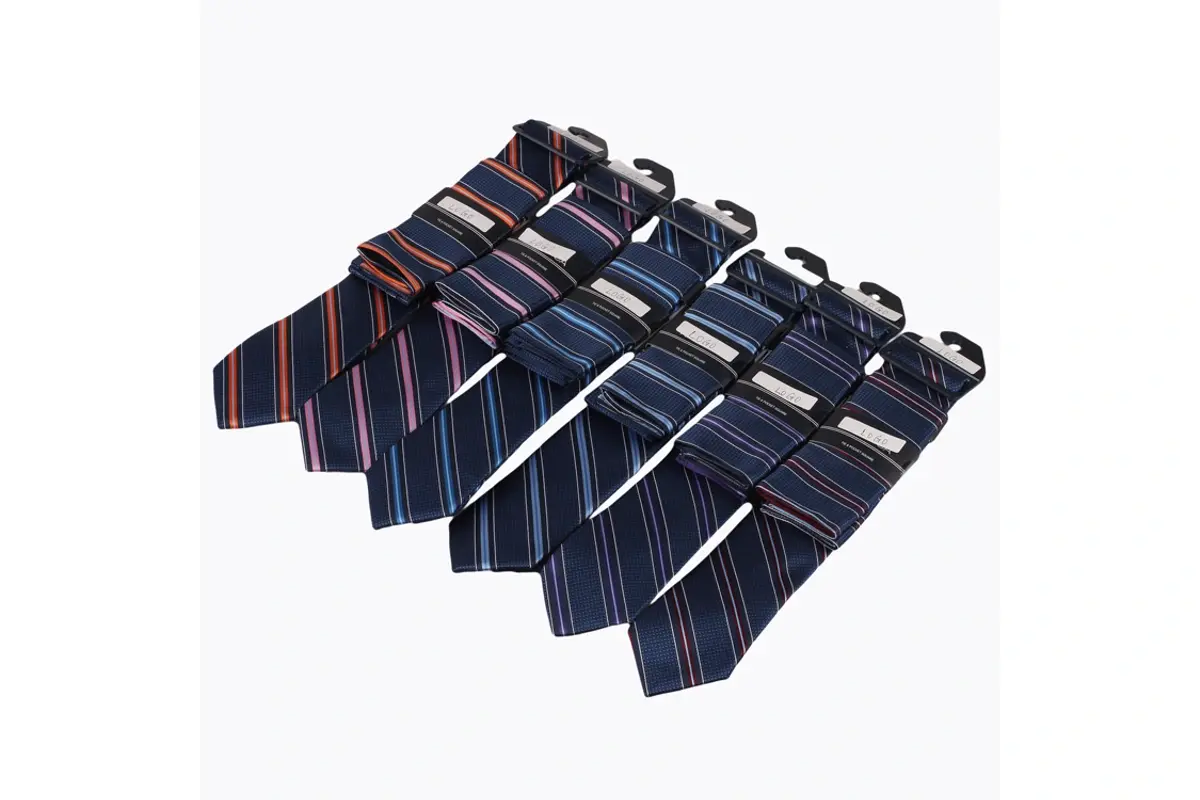
Align stripes, logo placement, finished dimensions, internal construction, labels, and packing in one specification before sampling.
- Stripe Sequence
Define stripe direction, width, spacing, color order, and whether a logo is combined with the pattern. - Logo Repeat and Position
Confirm the exact logo size, repeat interval, orientation, and intended location on the finished blade. - Finished Proportions
Select a 6–10 cm width and standard or special length, then record the approved finished dimensions. - Construction and Packing
Confirm interlining, brand labels, care labels, hang tags, individual wrapping, boxes, carton quantities, and shipping marks.
Three Woven Design Systems
These systems organize the visible design. Material, size, interlining, labels, and packaging are confirmed separately for each project.
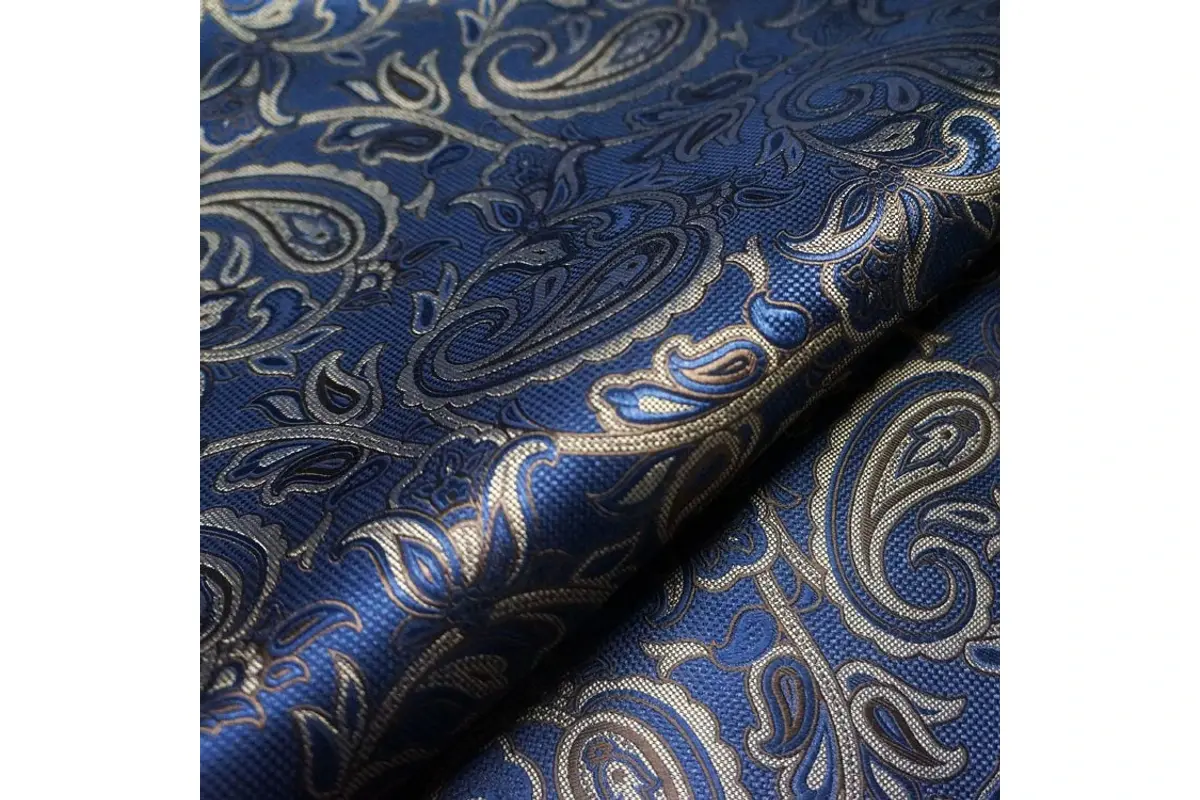
All-Over Jacquard Motifs
Build geometric, paisley, crest, or repeating patterns into the fabric where texture and broad design coverage matter.
Discuss Jacquard Patterns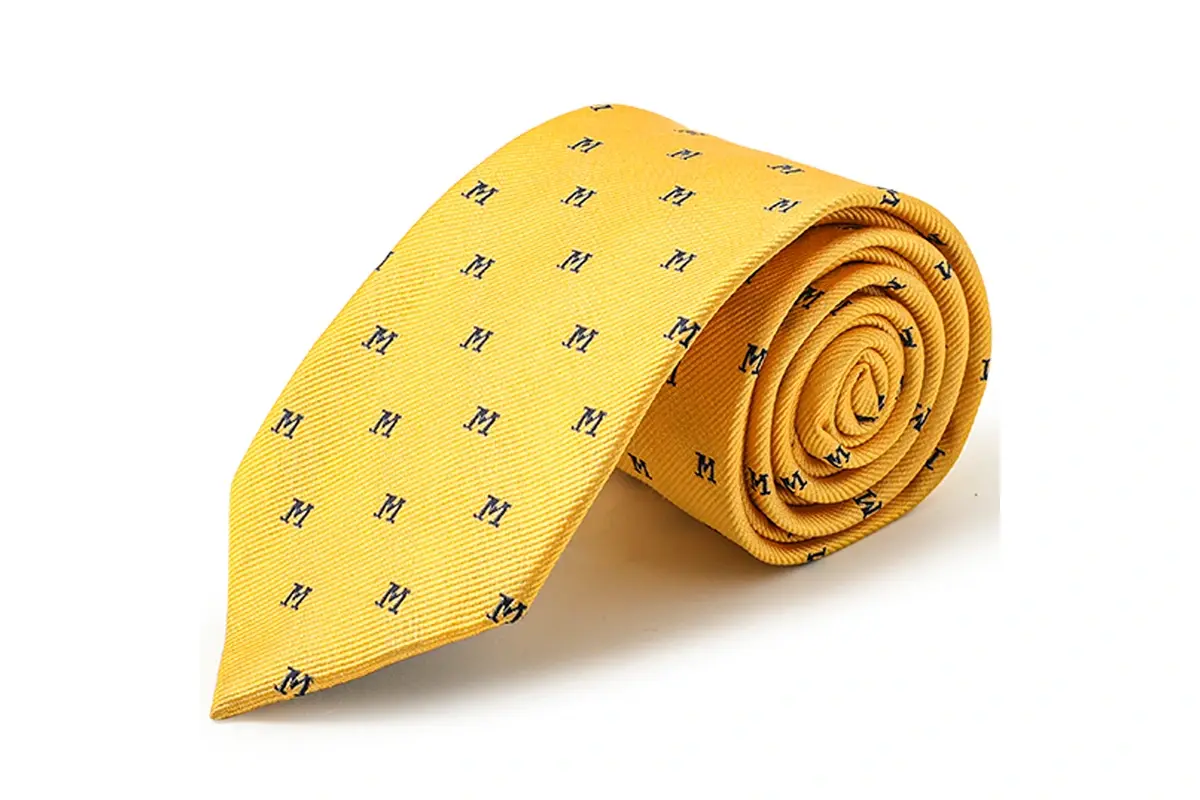
Repeating Woven Logos
Turn clear logos, symbols, or text into controlled repeats or selected placements for brand and organization programs.
Discuss Woven Logos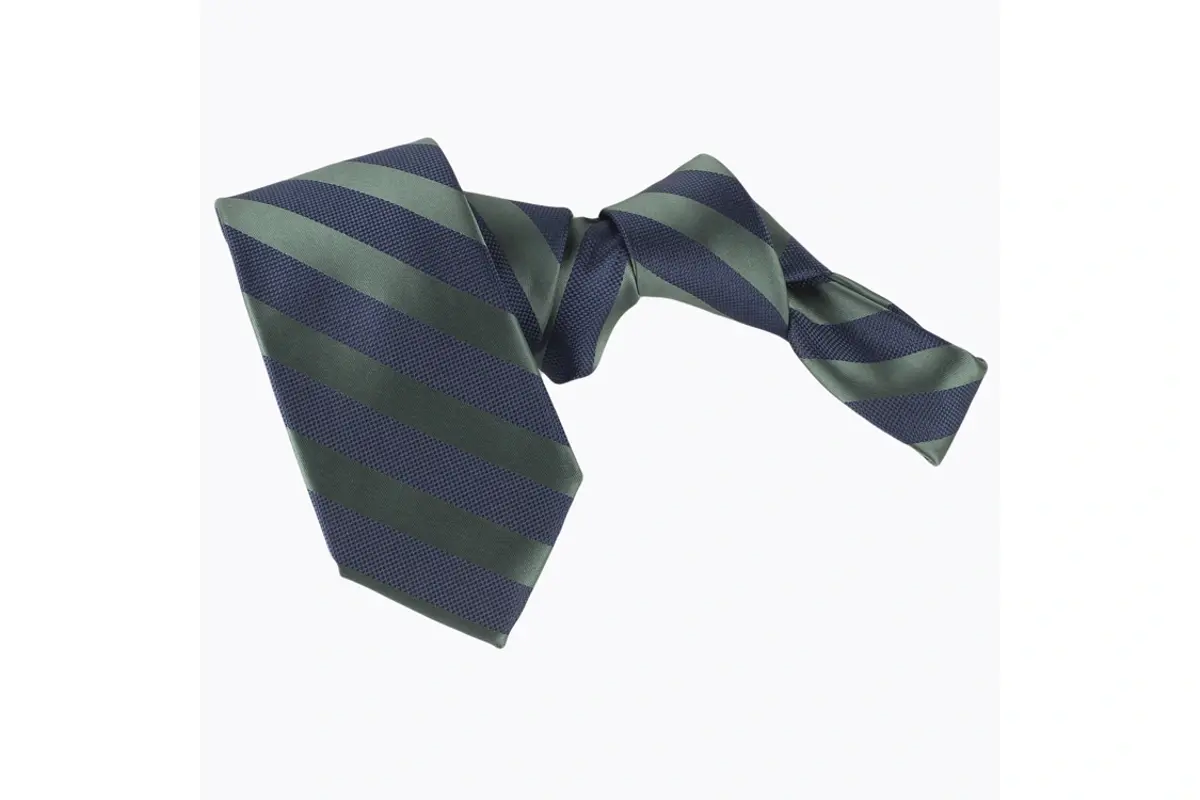
Engineered Stripe Programs
Set stripe direction, width, spacing, and color order for corporate, club, association, or coordinated uniform use.
Discuss Woven Stripes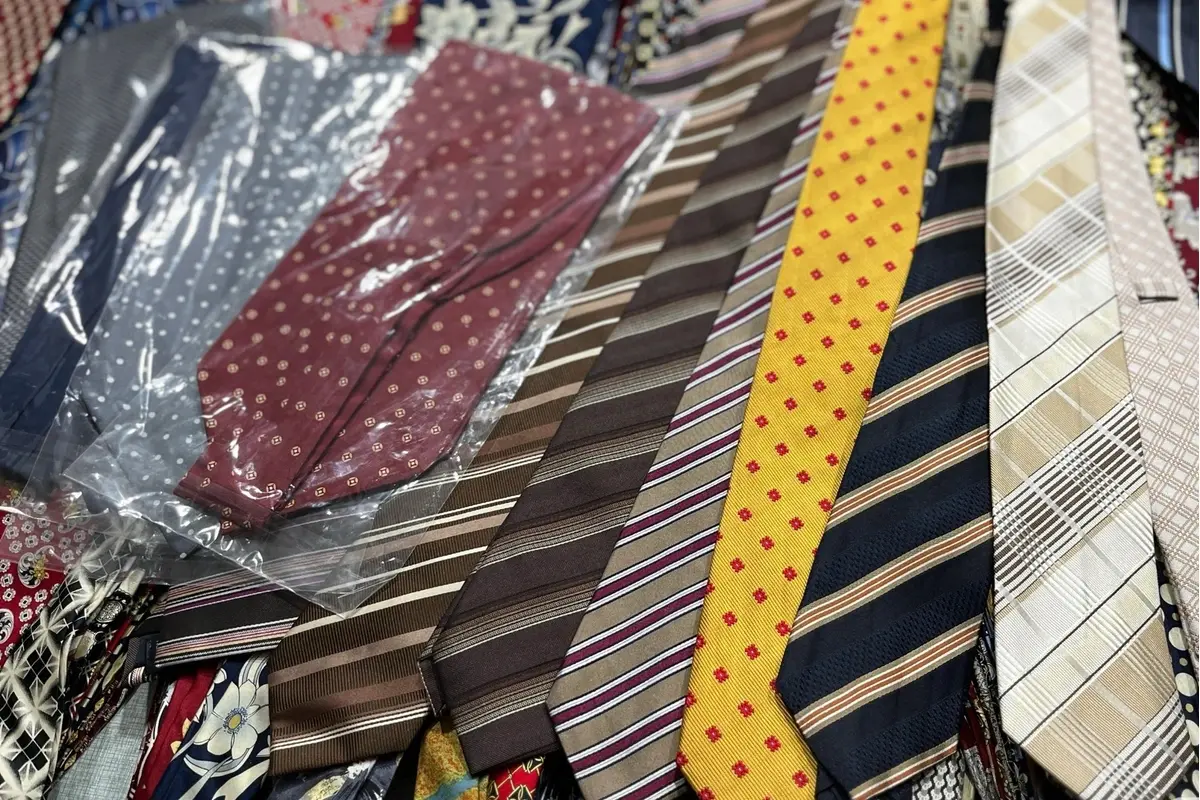
Woven Tie Production and Quality Checks
LuxoTie reviews weave-ready drawings and yarn colors, coordinates jacquard fabric inputs with controlled suppliers, and completes cutting, interlining, sewing, pressing, labeling, inspection, and packing. IQC, IPQC, and FQC check materials, color, pattern repeat, dimensions, construction, appearance, and packing against the approved reference.
Start Your Custom Woven Tie Project
Send your woven tie requirements and estimated quantity.
Request a Custom Quote