
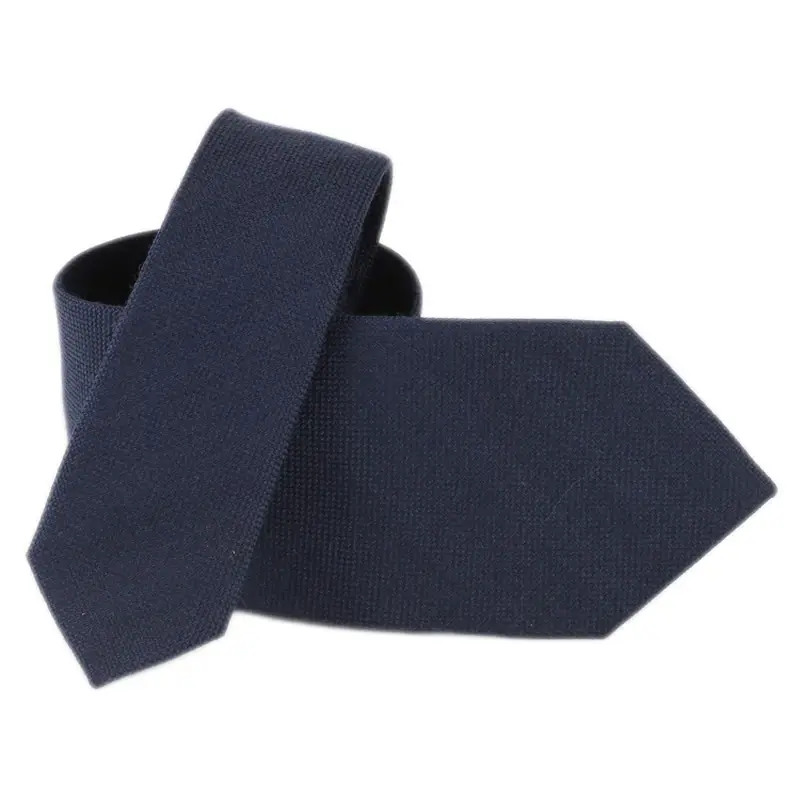
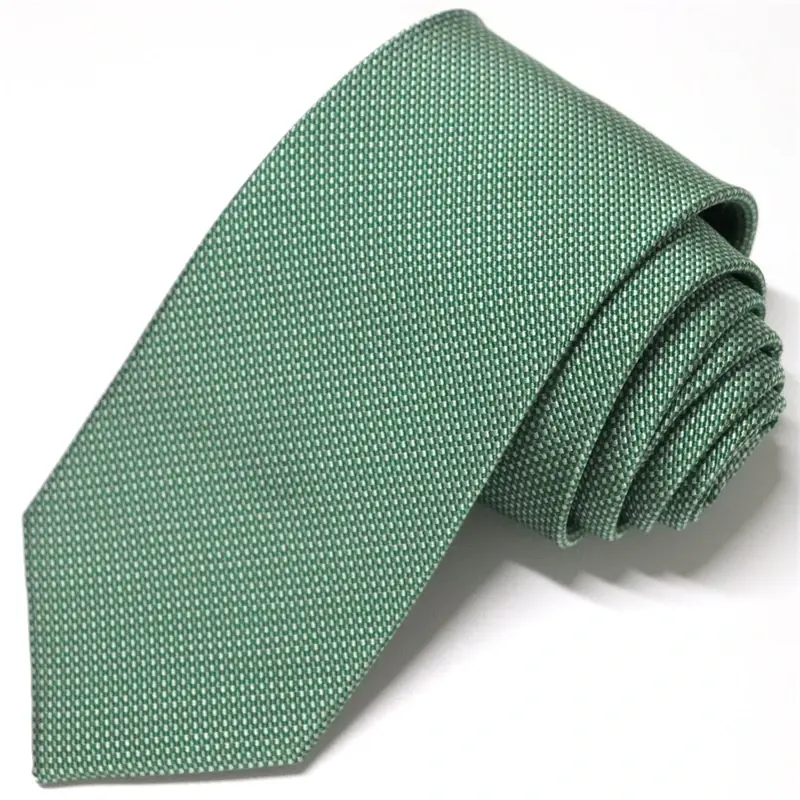
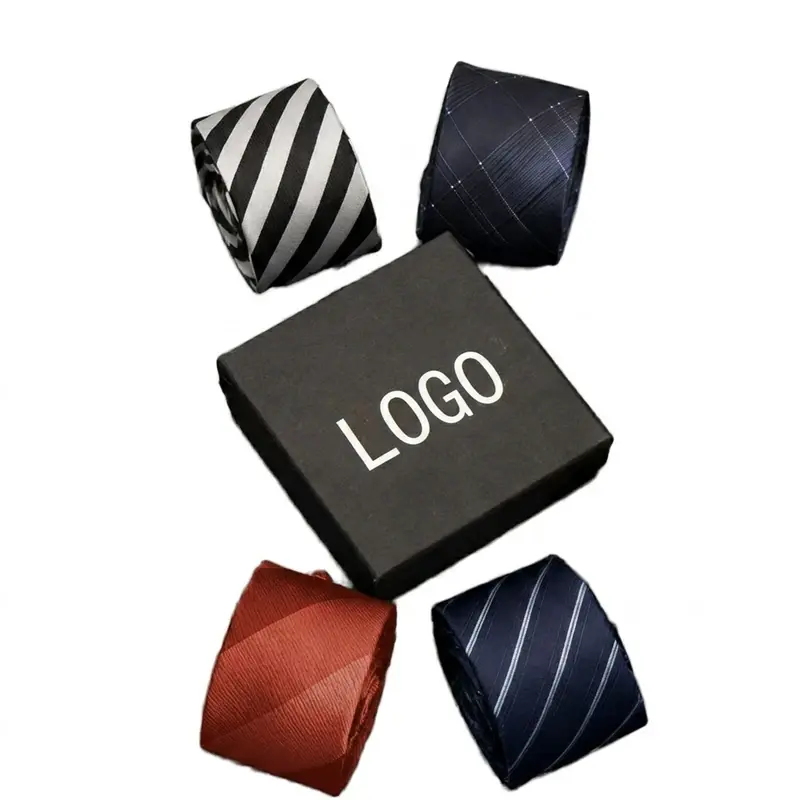
Custom Uniform Polyester Ties
Set wearer groups, size and quantity allocations, colors, logos, labels, and packing in one approved specification for production and repeat orders.
- Material: 100% Polyester
- Width: 6–10 cm
- Length: 135–155 cm and special lengths
- Allocation: Size or Department Groups
- Reorder Basis: Approved Sample and Specification
Sample and production timing depend on the approved design, group quantities, dimensions, labels, packing, material availability, and production schedule.
Send Program Details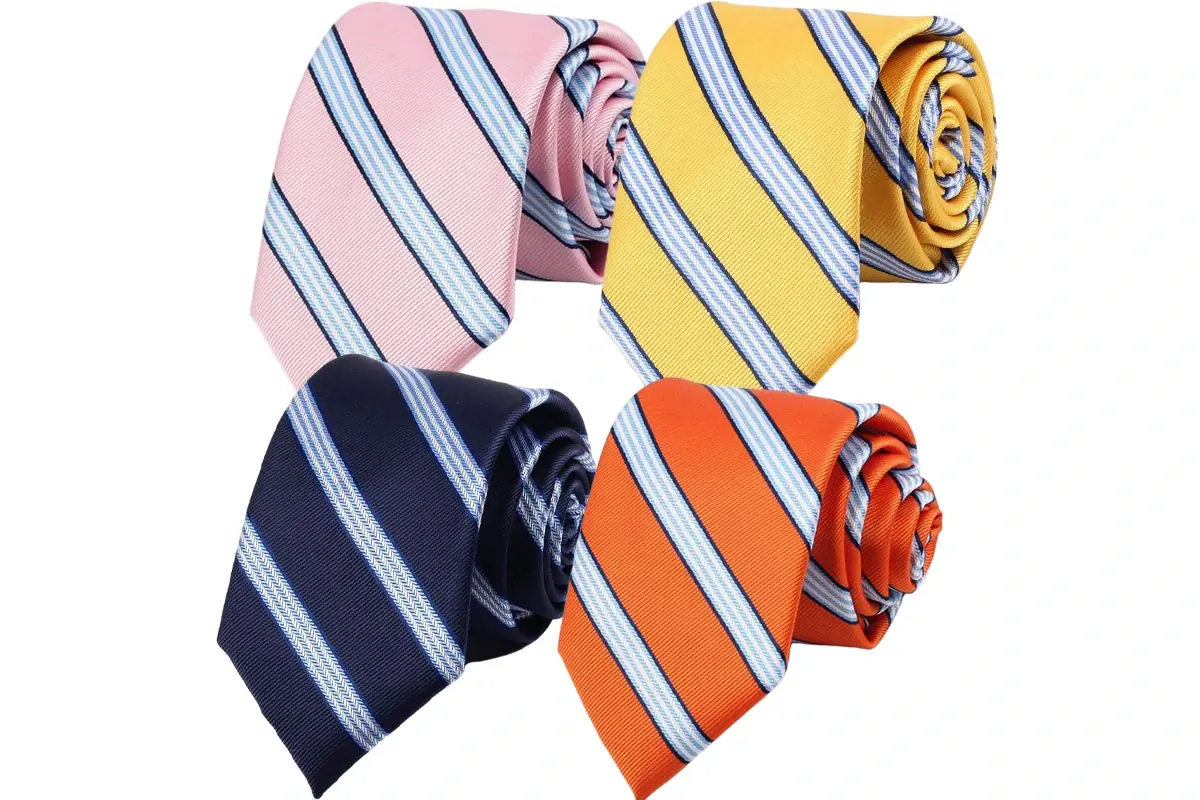
Create a Uniform Tie Specification
A uniform tie specification should link the approved appearance to each wearer group. Record the groups, dimensions, quantities, artwork versions, labels and packing instructions before the sample becomes the production reference.
Polyester Uniform Tie Details
Colors, logo treatment and sizing create a consistent uniform accessory. Identification details distinguish the versions supplied to different groups.
Uniform Color and Branding
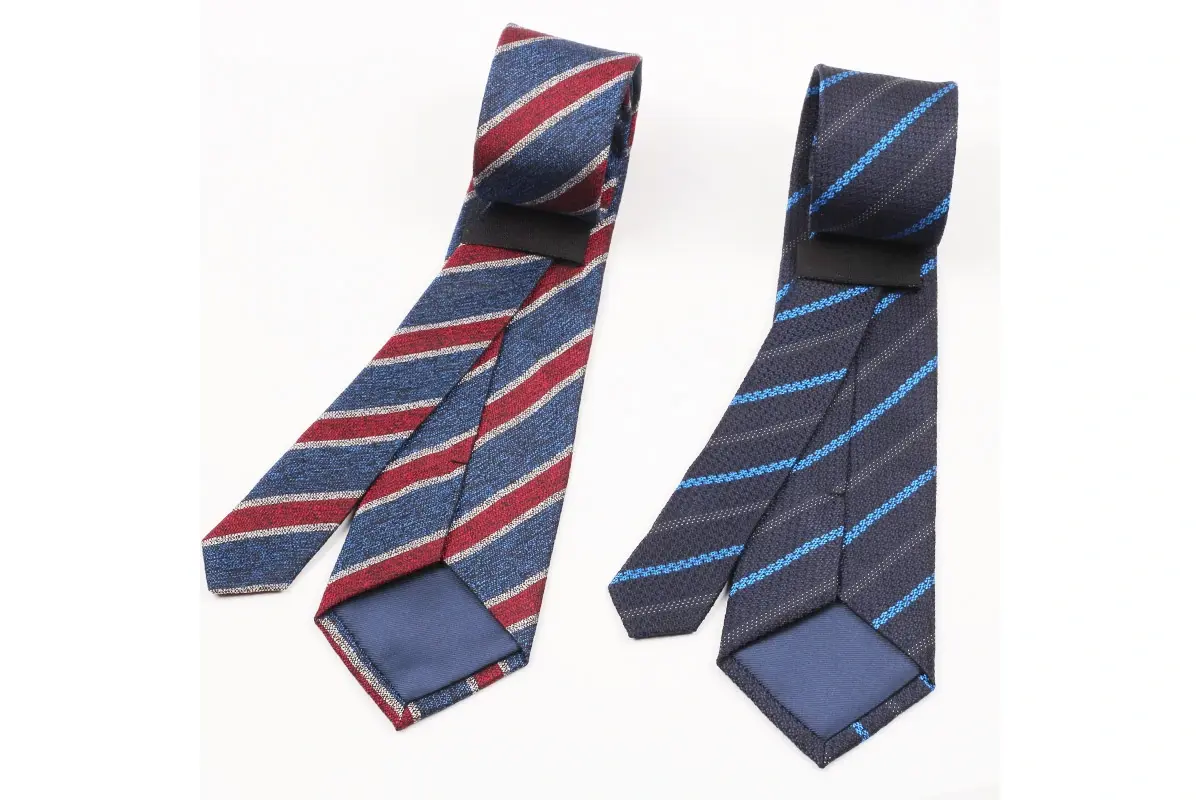
Stripes, woven logos or printed marks can carry the uniform identity. The technique is selected around the material, artwork and required appearance.
Wearer Size Options
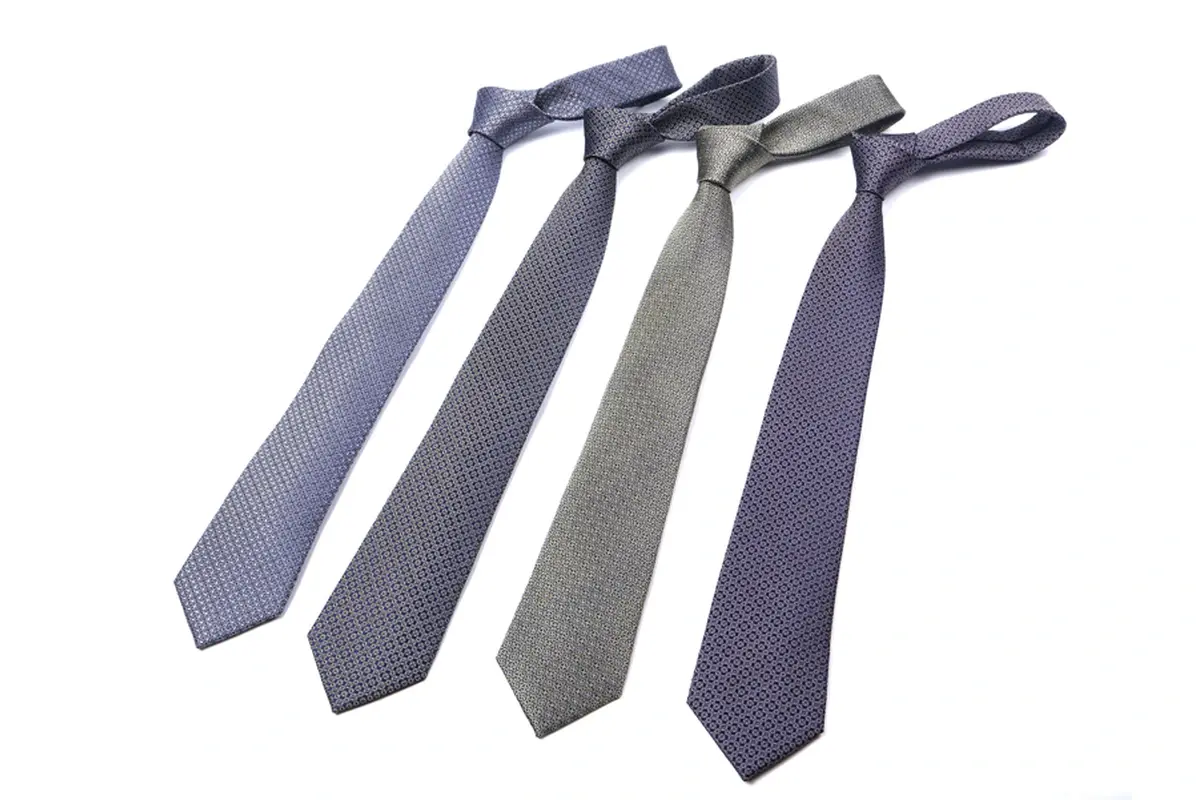
Width and length can be specified for junior, senior or staff groups. The pattern and logo are considered with the finished proportions.
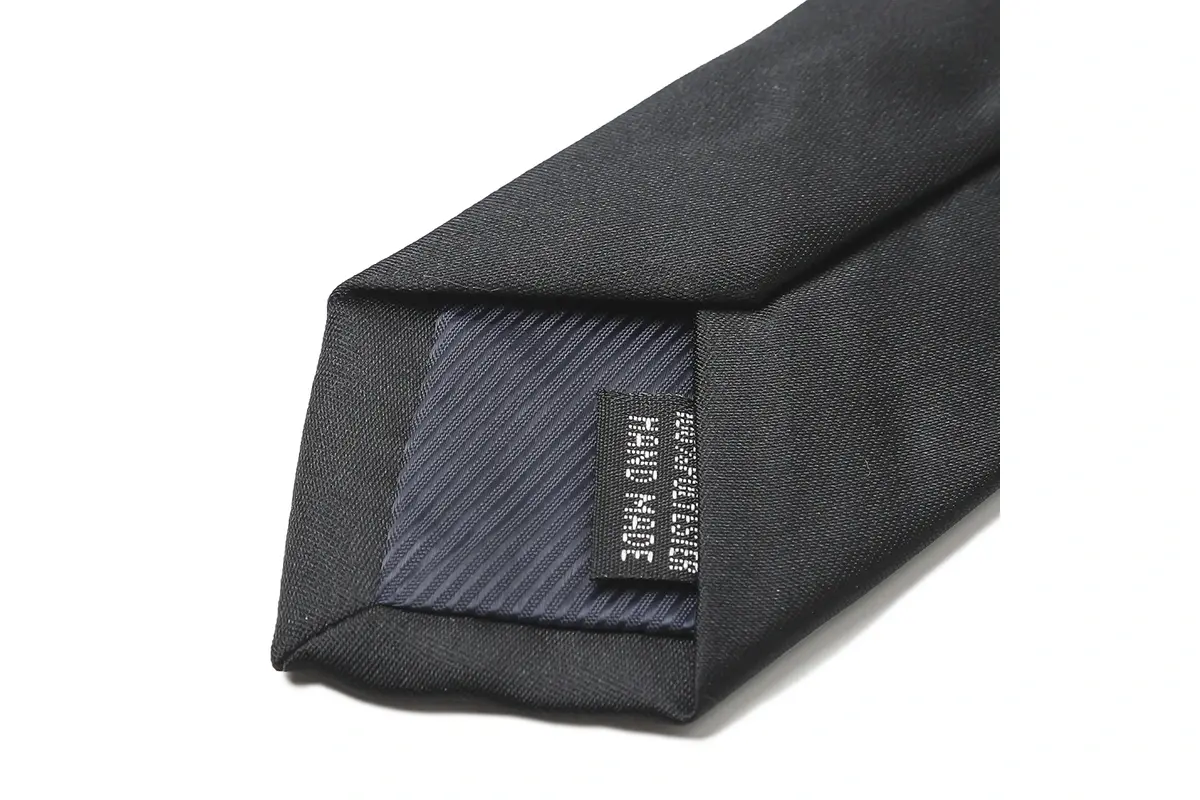
Sewn Labels and Group Packs
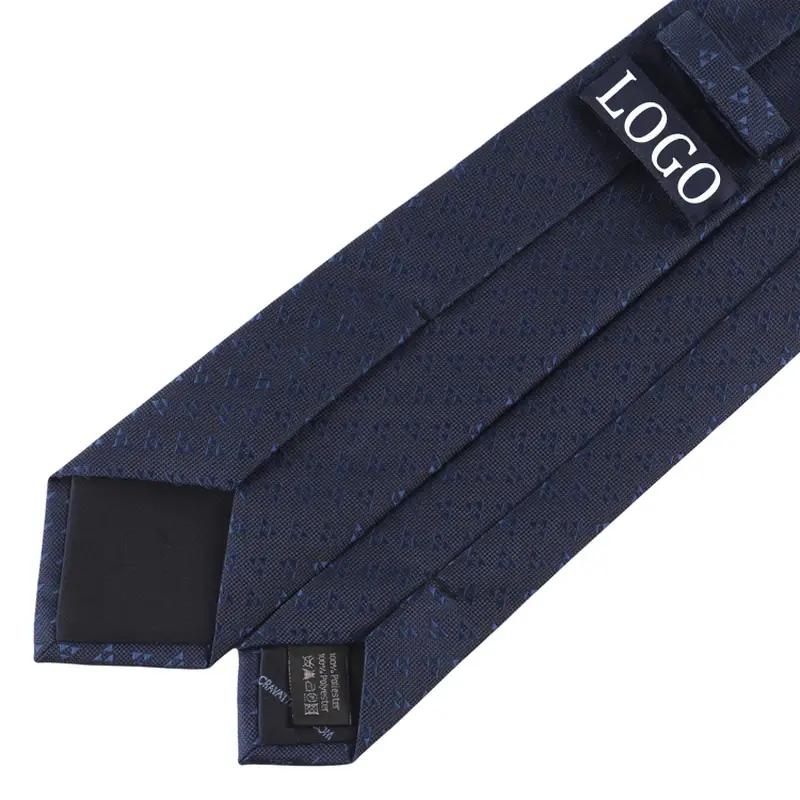
School or corporate labels identify the finished ties. Packing can separate sizes, departments and delivery locations.
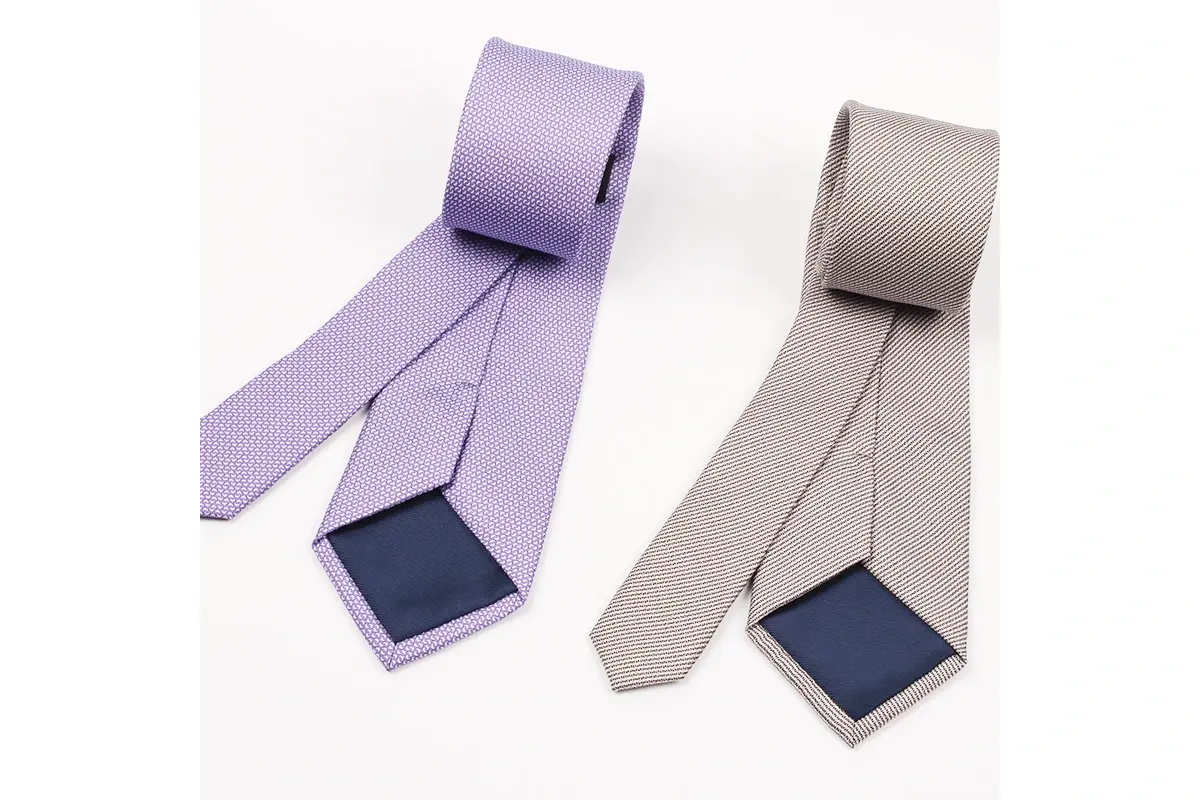
Plan Sizes by Wearer Group
Before sampling, list each width, length, and quantity combination for the wearer group and uniform style.
- 135–140 cm Shorter Lengths
Junior or shorter wearers may need these lengths. Confirm the width and quantity for each. - 145 cm General Length
A common adult option. Approve its proportions on the sample. - 150–155 cm Longer Lengths
List each required length and its quantity separately. - 6–10 cm Width Plan
Match slim, regular, or full widths to the length, wearer group, and design.
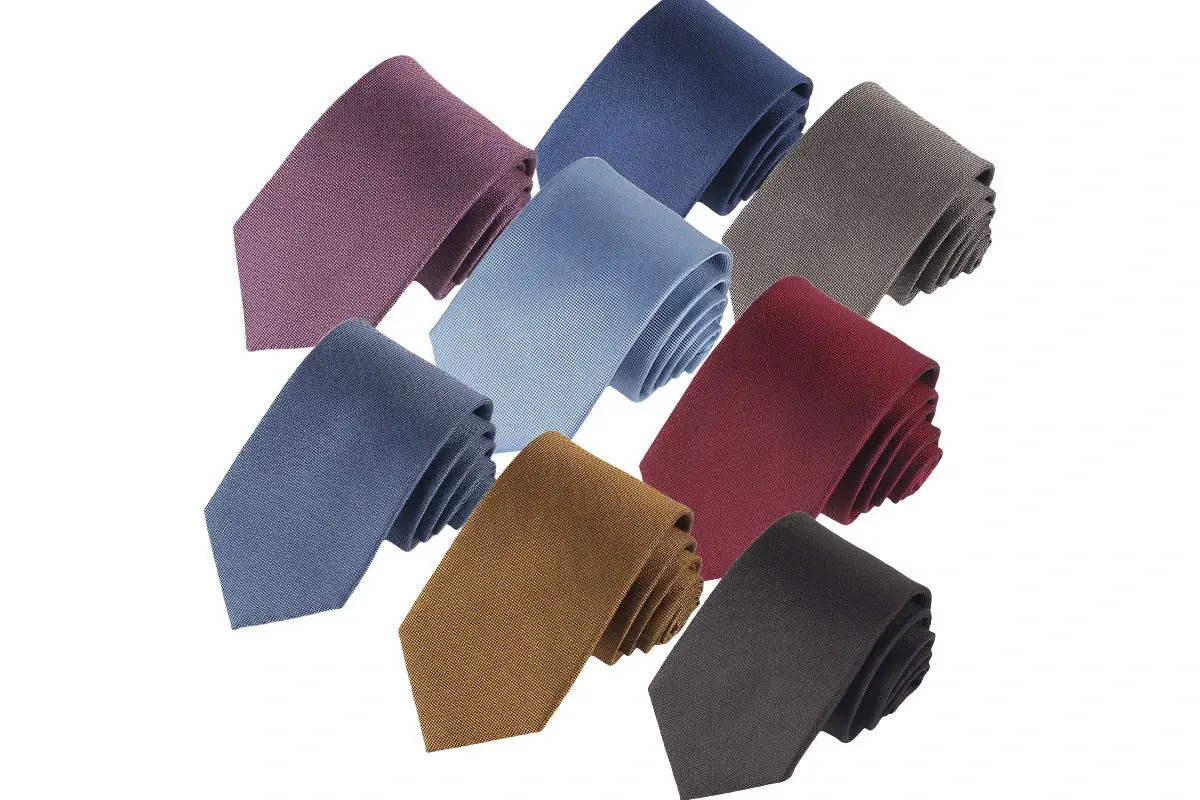
Uniform Colors, Stripes, and Department Designs
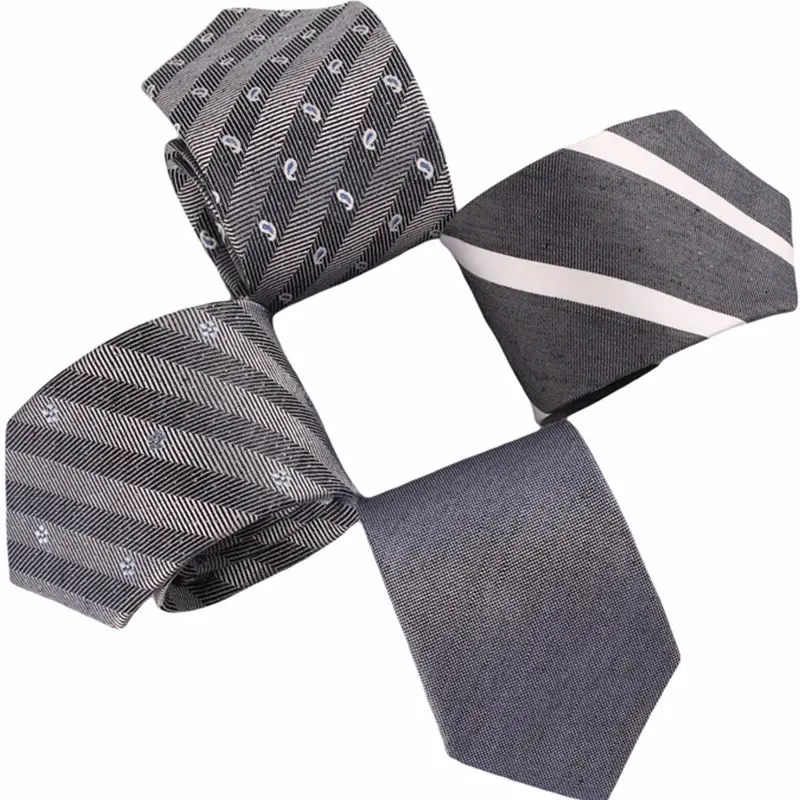
Color and pattern identify the team as much as the logo. Confirm the physical color reference, artwork route and version name for every school, company or department group.
- Corporate Brand Colors
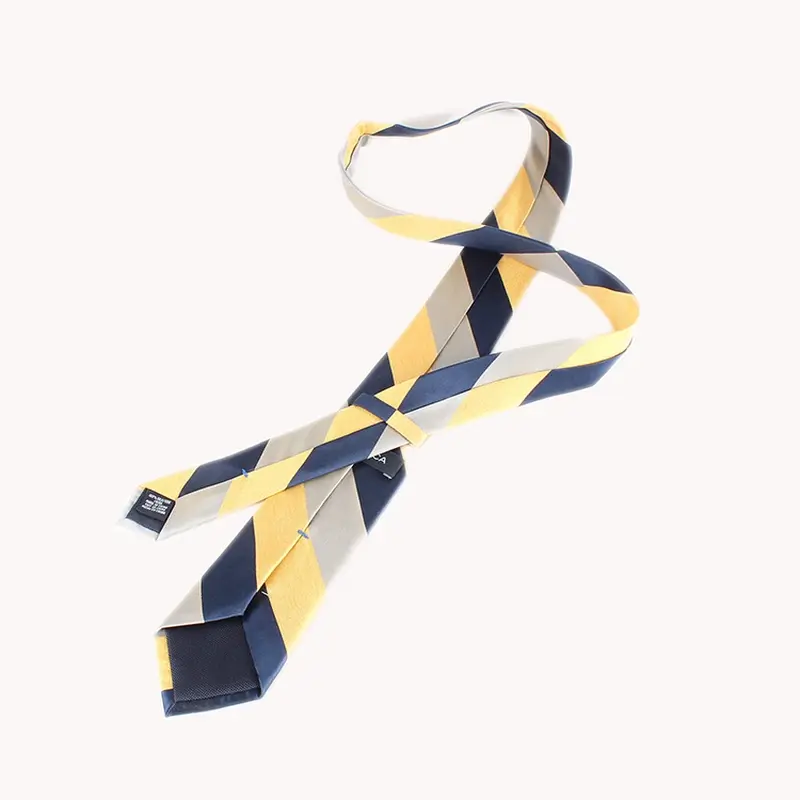
Approve company or service colors on the polyester surface. - School or House Stripes
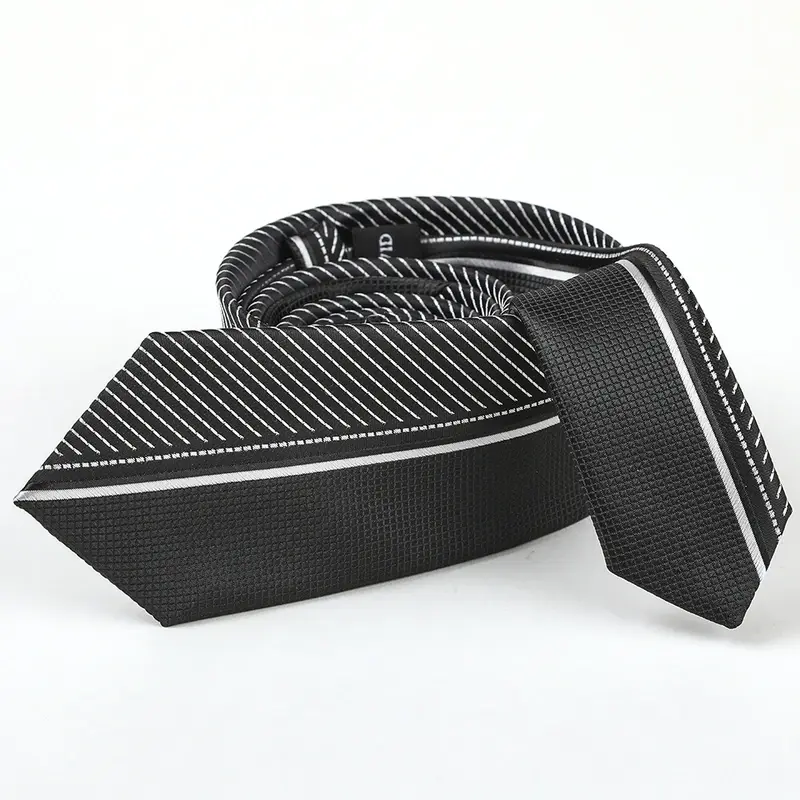
Set stripe width, angle, repeat, and color order for school, club, or grouped uniforms. - Solid Uniform Colors
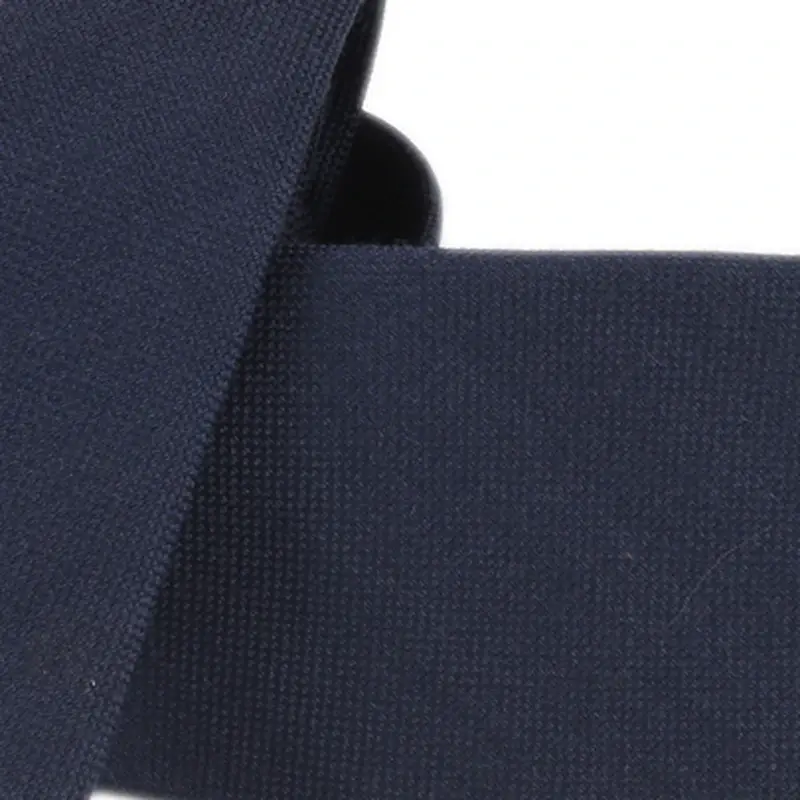
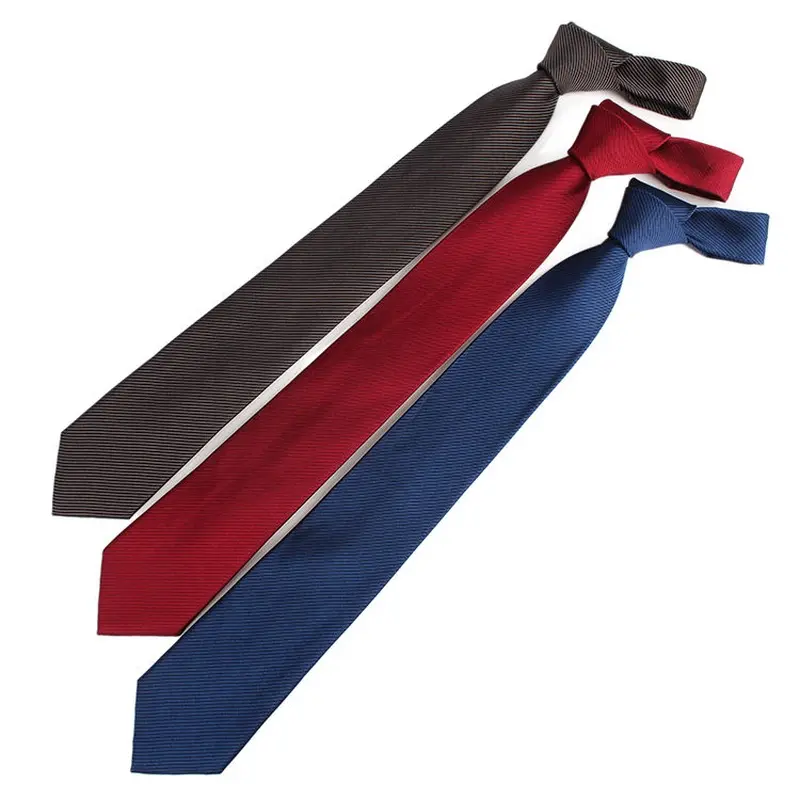
Use a physical reference to assess color continuity for formal or departmental uniforms. - Department Design Versions
Name each department design and its quantity when ordering different identities together.
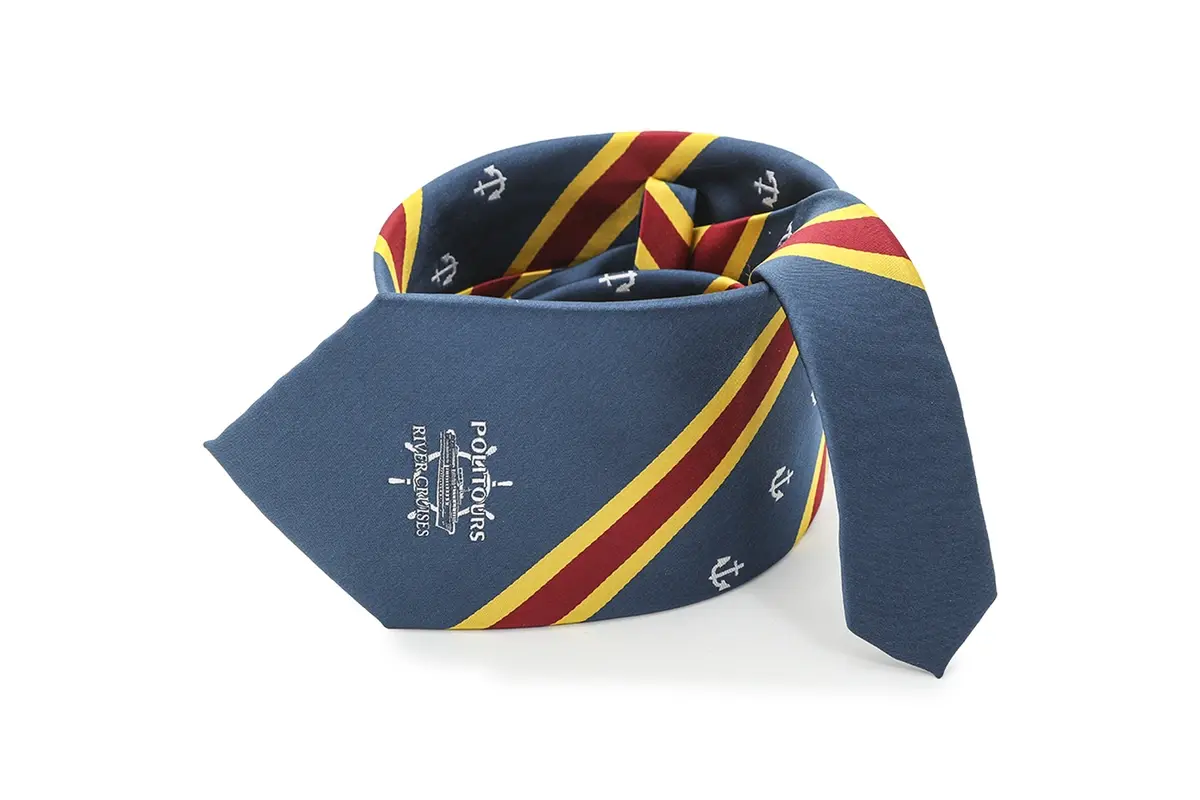
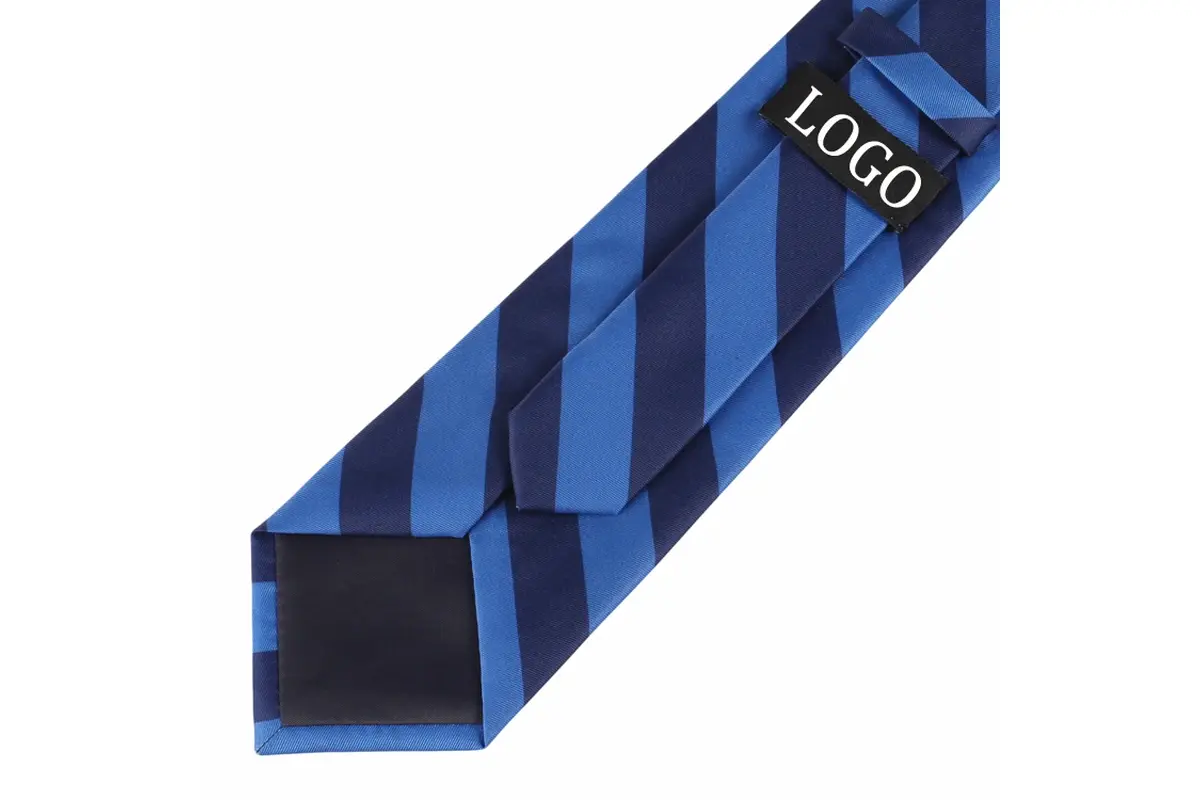
Logo Application Methods
Choose the logo route after reviewing detail, color count, placement, material and quantity. Approve the actual result on the uniform tie sample.
- Jacquard Woven Logo
Repeated crests, emblems, or patterns need approved yarn colors, scale, and woven clarity. - Screen-Printed Logo
Approve ink color, logo size, and position for the planned placement. - Heat-Transfer Logo
Review the transferred surface on the sample for suitable multicolor placements. - Digital Direct Print
Approve sample color and detail for detailed, full-color artwork. - Embroidered Logo
Check stitch detail, size, placement, and finished hand for a crest or badge. - Foil Logo
Selected metallic accents require sample approval of compatibility, color, and placement.
Organize Packing for Allocation
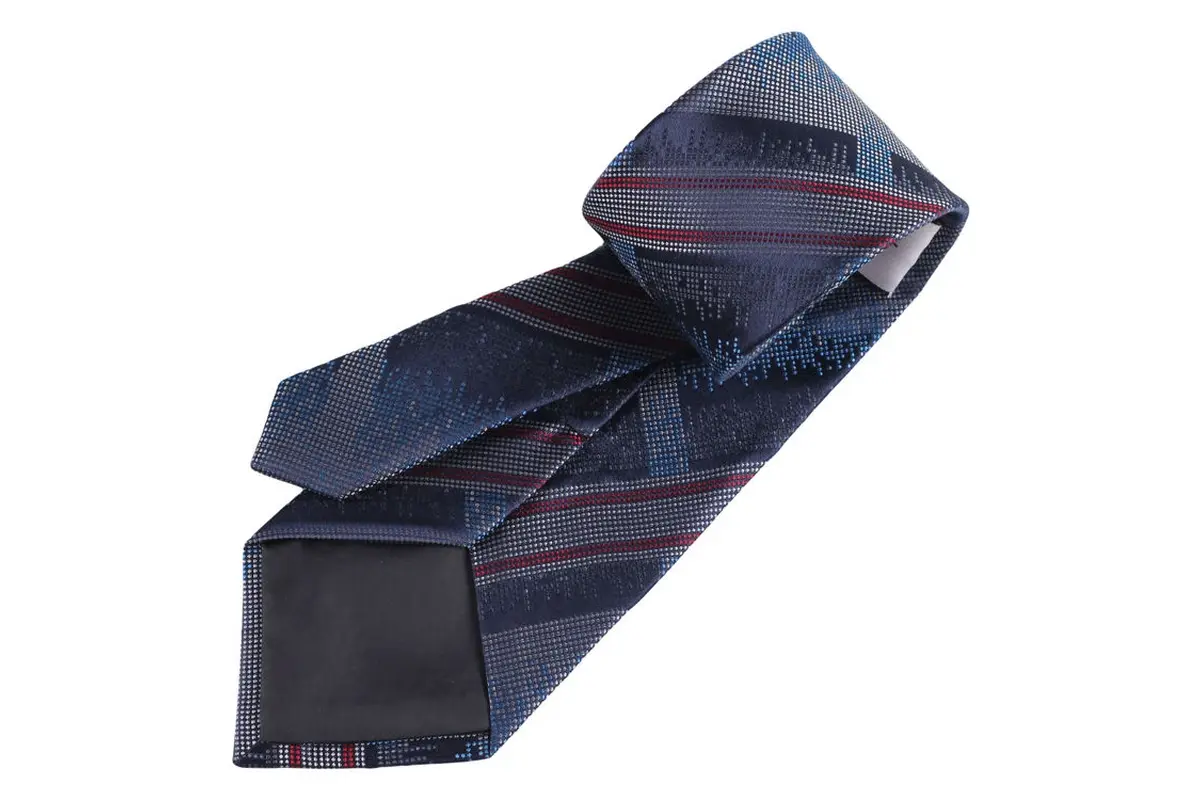
Packing should help the receiving team identify the correct size or department group. Confirm labels, individual protection and carton instructions with the allocation list.
- Size Label
Match label wording to the size matrix when ordering multiple lengths or widths. - Department or Group Packing
Identify the school, office, or service group and its quantity on the packing plan. - Individual OPP Bag
Protect each tie for individual allocation and confirm its identification. - Outer Carton Plan
Record quantities, group marks, and destinations for divided or multi-location deliveries.
Keep a Clear Repeat-Order Reference
Keep the approved sample, specification, allocation matrix, and artwork version for reorders. Record every approved change.
- Approved Master Sample
Keep the approved appearance and construction reference for continuing uniform orders. - Color and Artwork Record
Retain approved color references and the exact artwork version for each brand or group. - Size and Quantity Matrix
Update replenishment quantities while retaining the approved size definitions. - Change Record
Approve material, color, size, label, or packaging revisions before production.
Related Custom Products
Compare school uniform, staff, corporate woven, and woven polyester ties.
Inspect Each Approved Allocation Group
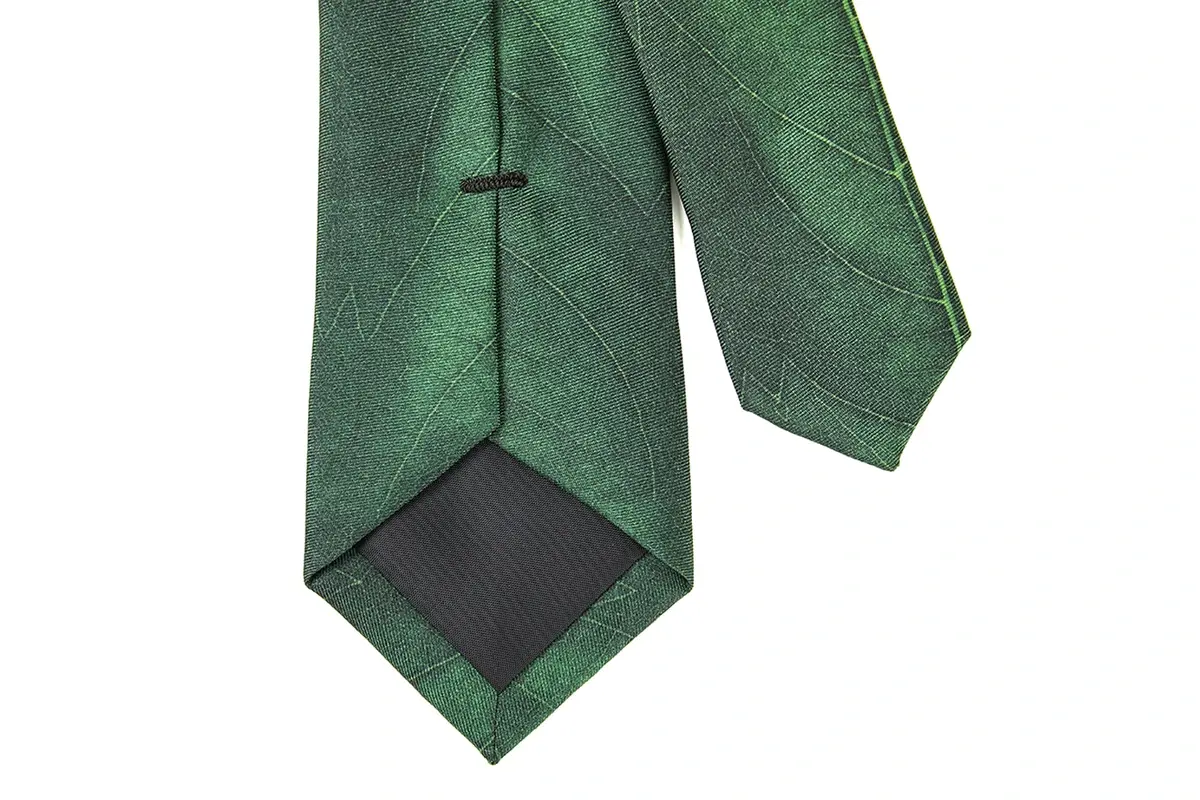
Check surface appearance, color direction, finished dimensions, construction, logo, labels and packing against the approved sample and group matrix. Keep each size or department version identifiable through final packing and release.
Send Your Uniform Program Brief
Send your uniform polyester tie requirements and estimated quantity.
Request a Uniform Tie Quote