
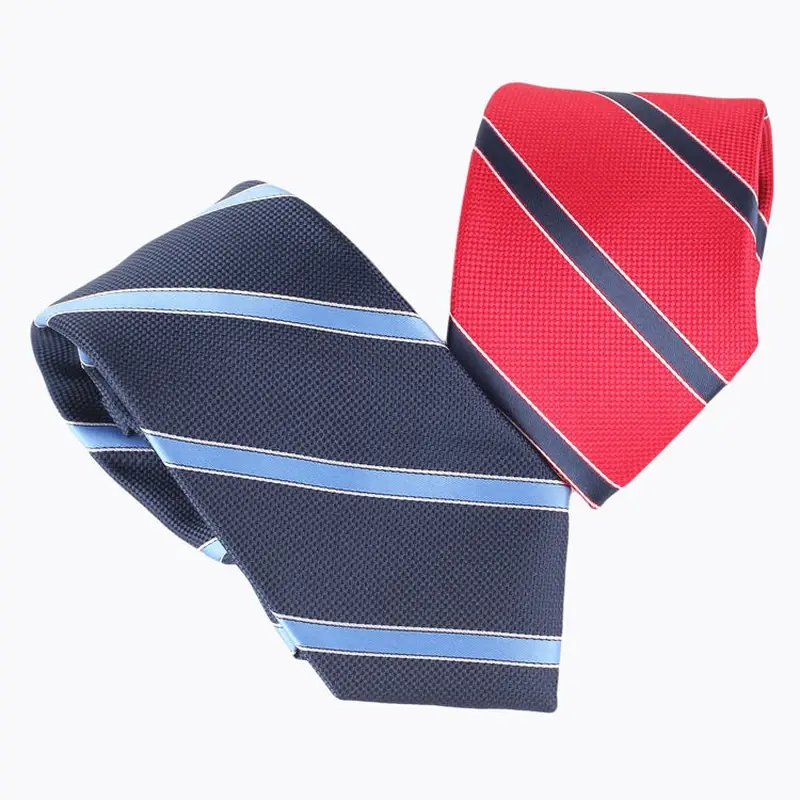
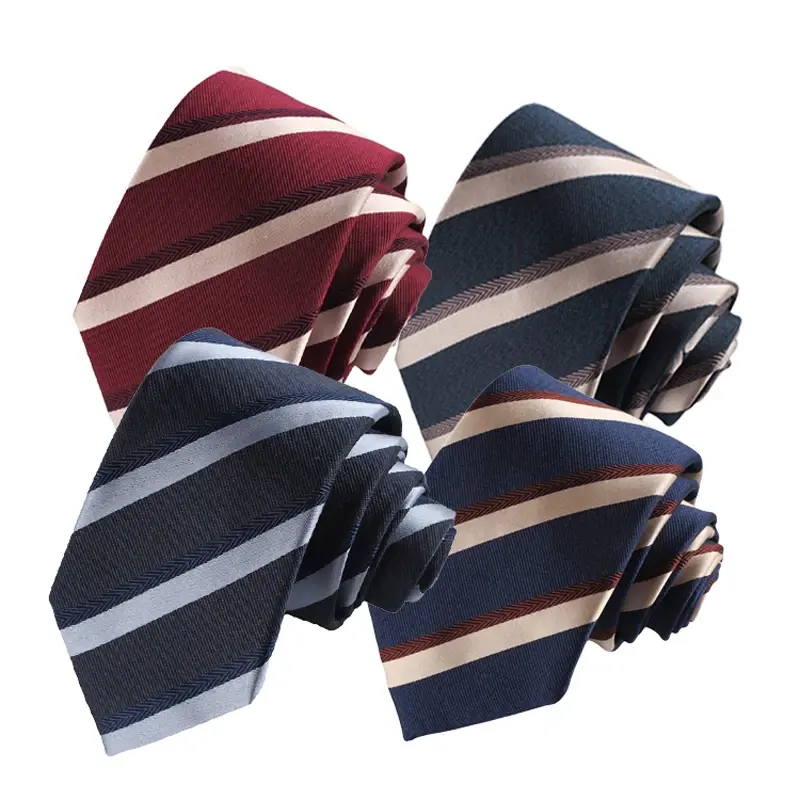
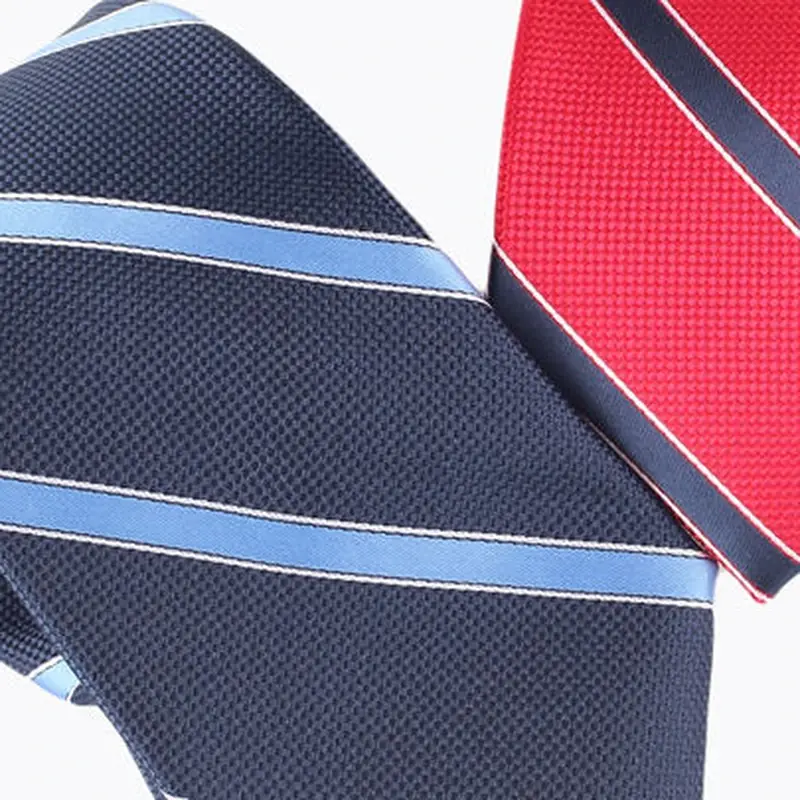
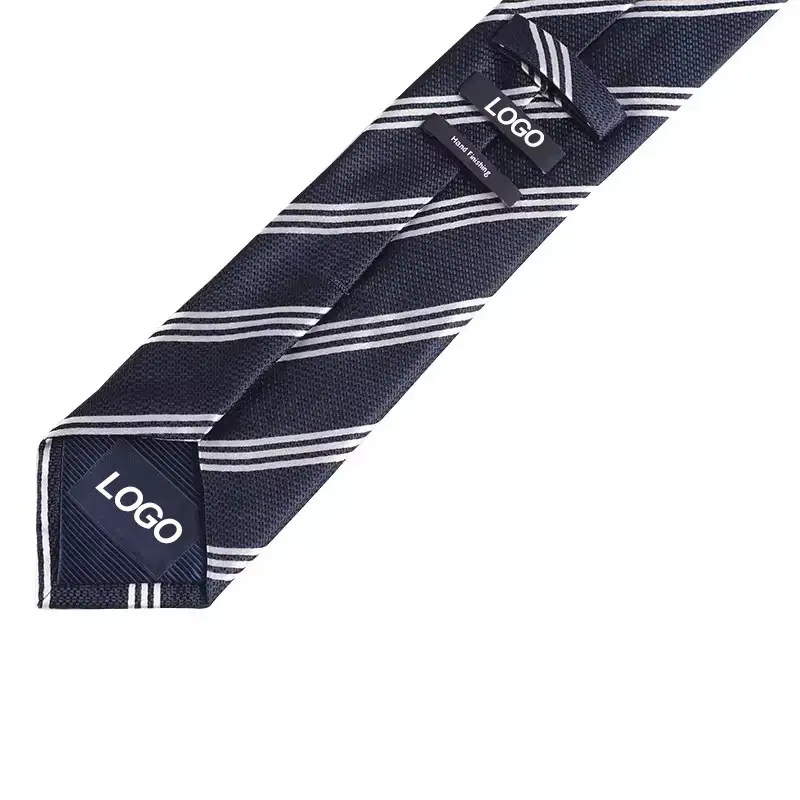
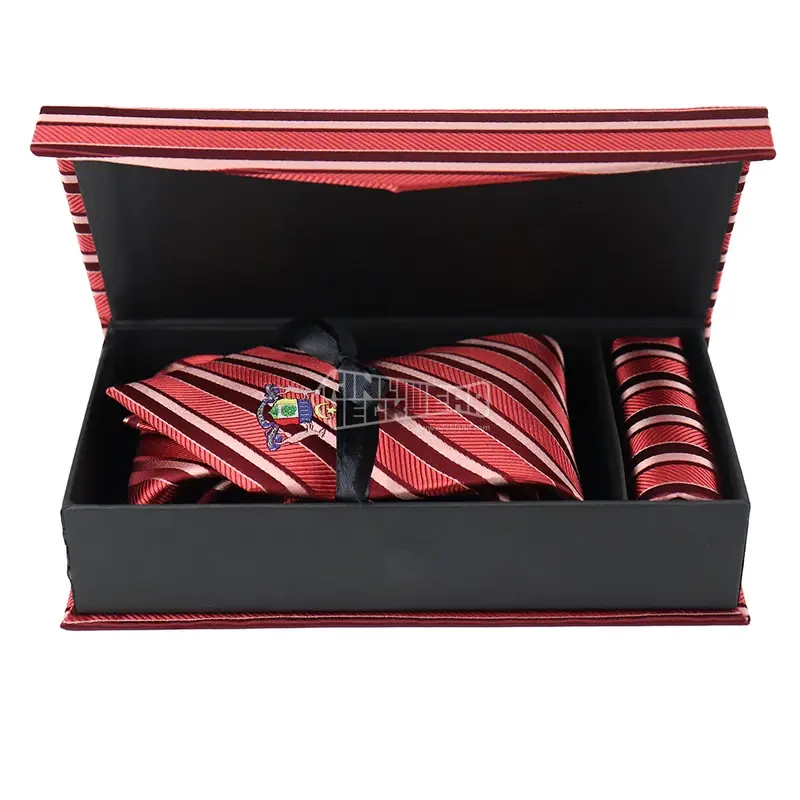
Custom School Uniform Ties
Plan each school tie variant by wearer group, size, colorway, quantity, labels, and packing for daily uniform programs and repeat orders.
- Material: Polyester or polyester blend
- Width: 6, 7, 8, 9, or 10 cm
- Length: 135, 140, 145, 150, or 155 cm; other dimensions reviewed separately
- Design: Solid colors, stripes, printed designs, or jacquard patterns
- Order Planning: Wearer groups, quantity split, labels, and packing confirmed before production
Final pricing and timing depend on the approved design, size split, quantity, labels, and packing method.
Send Uniform Brief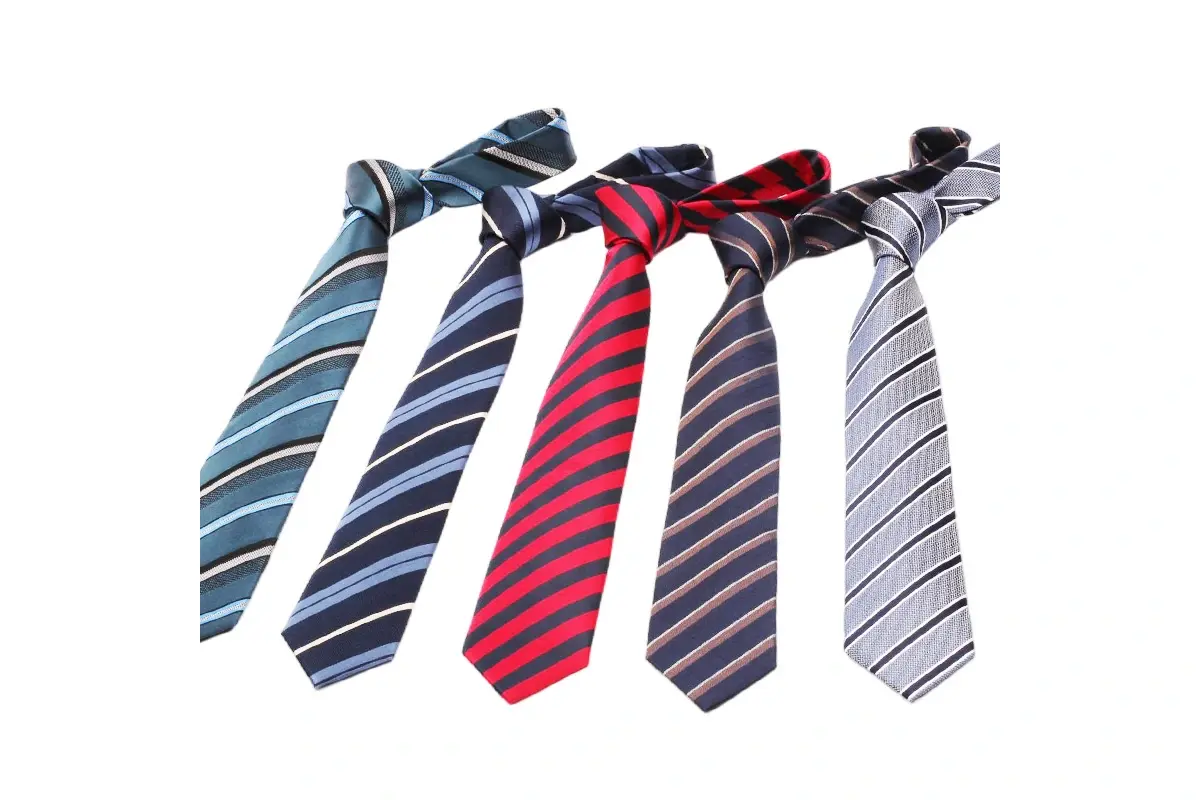
School Wearer Groups, Sizes, and Quantities
List each wearer or distribution group’s material, width, length, colorway, quantity, label, and packing code in an order matrix for production. Use this record to clarify sampling and guide replenishment.
School Uniform Tie Details
School colors and identity remain central across different wearer sizes. Custom labels and packing connect the finished ties to their uniform groups.
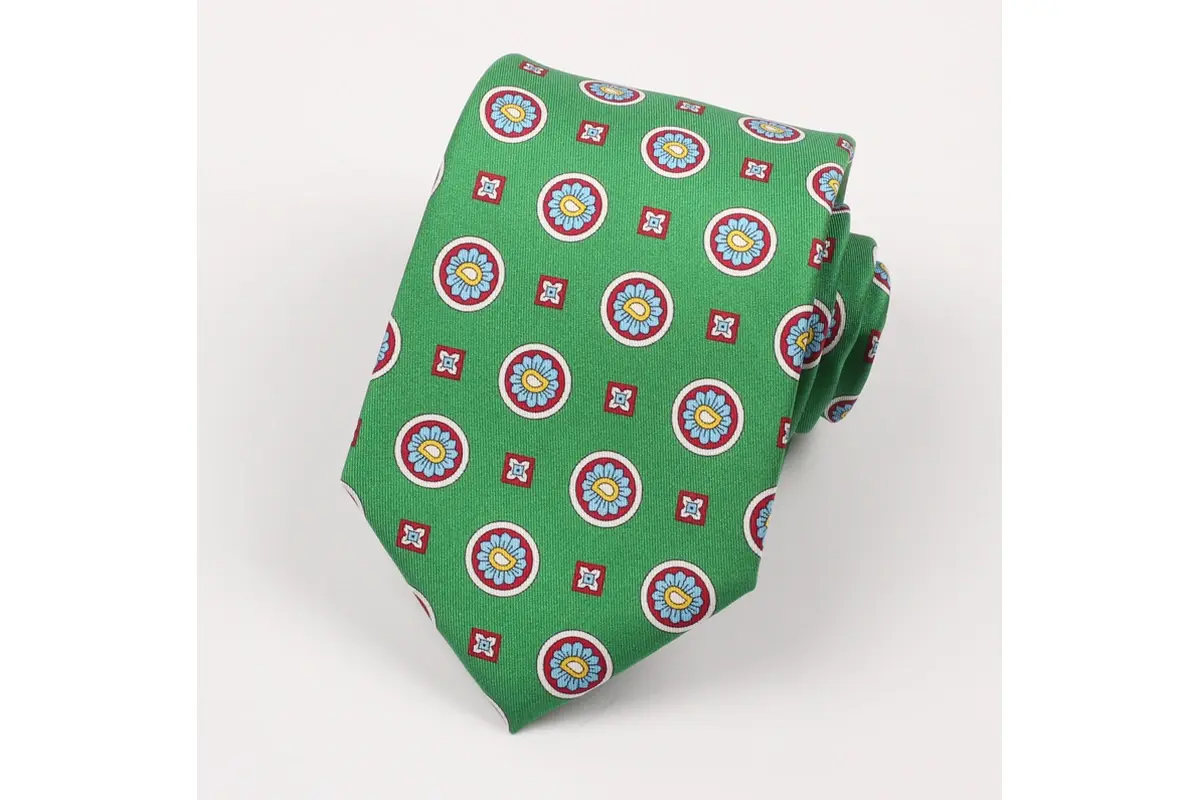
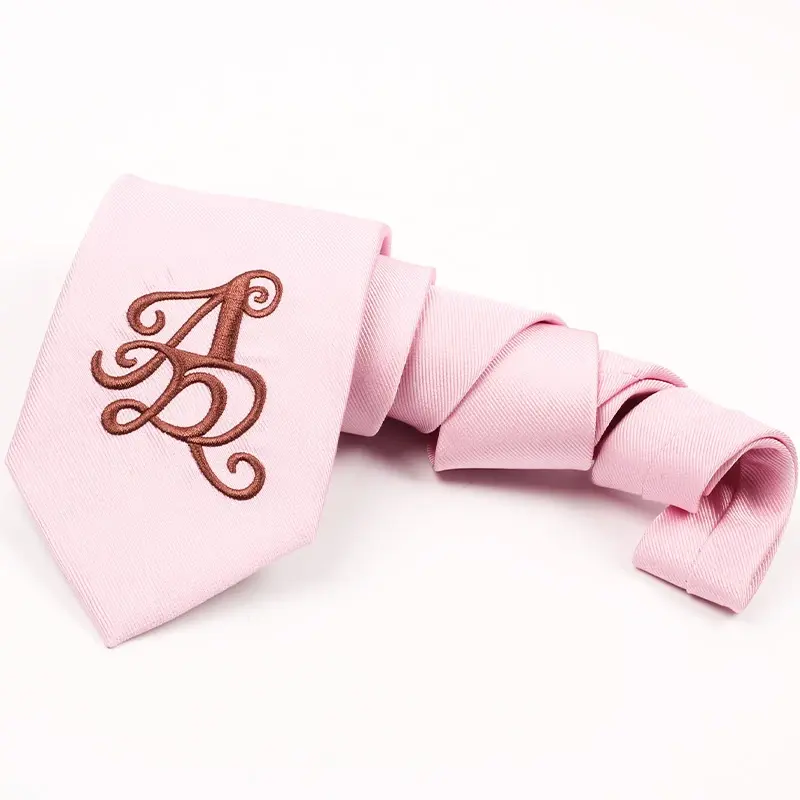
School Pattern and Crest
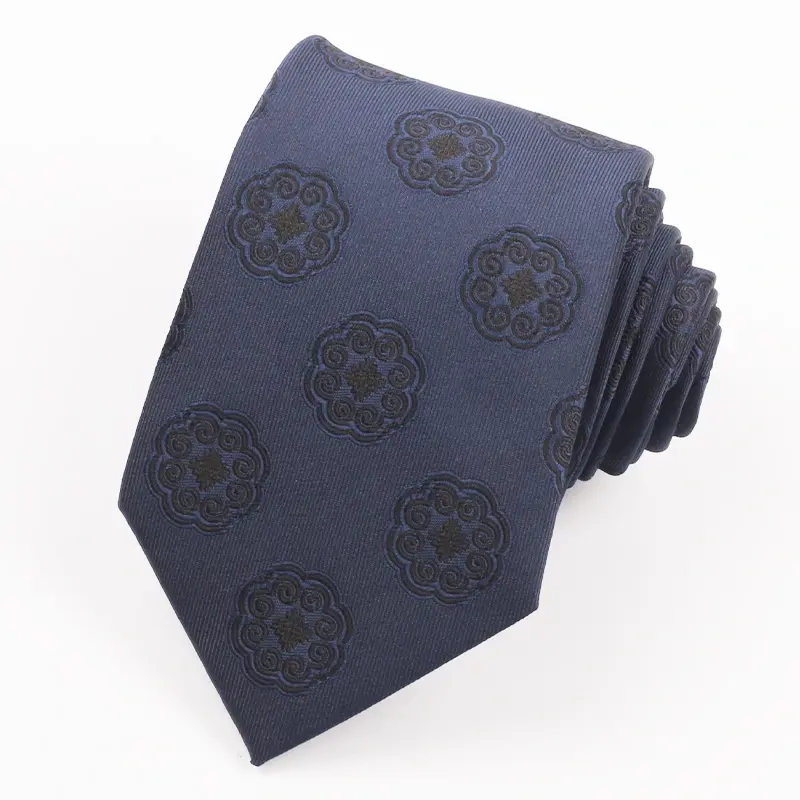
Stripe designs and school emblems can be developed around the approved identity. Woven or embroidered crest details depend on the selected material and artwork.
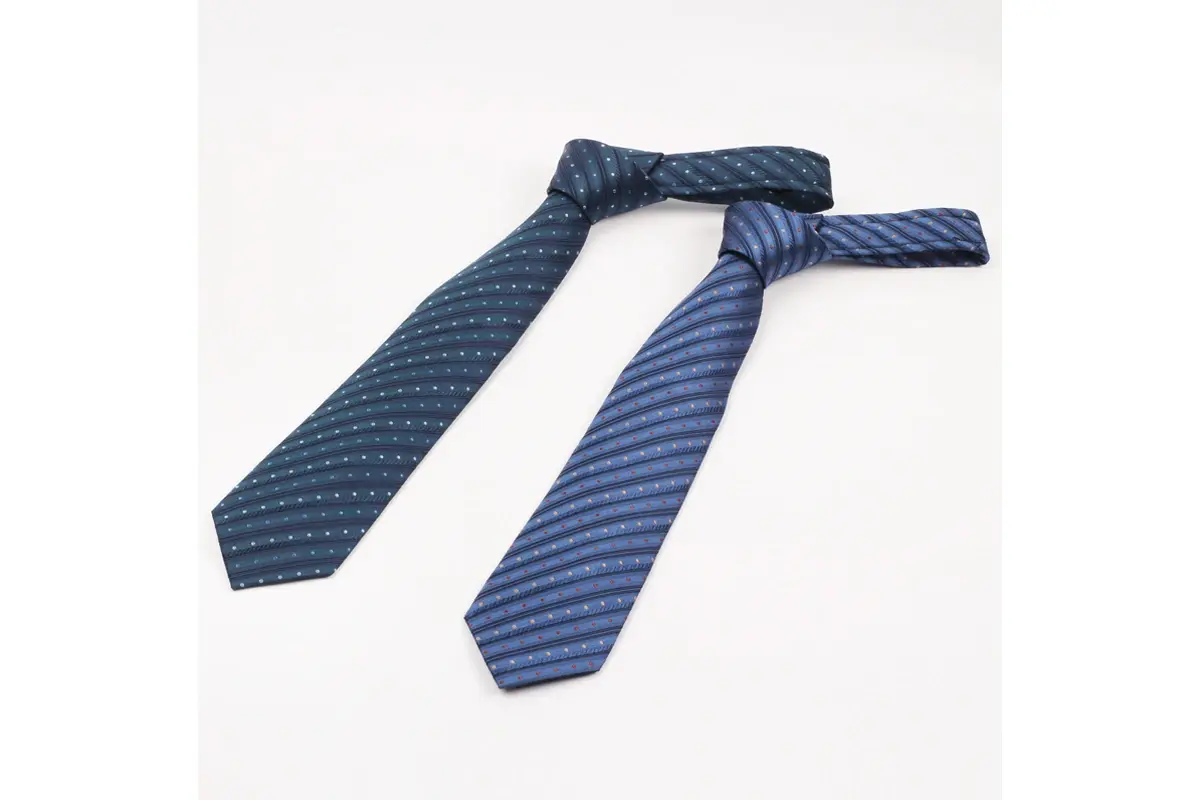
Junior and Senior Proportions
Length and width can be specified for different wearer groups. The school pattern is considered alongside each finished tie size.
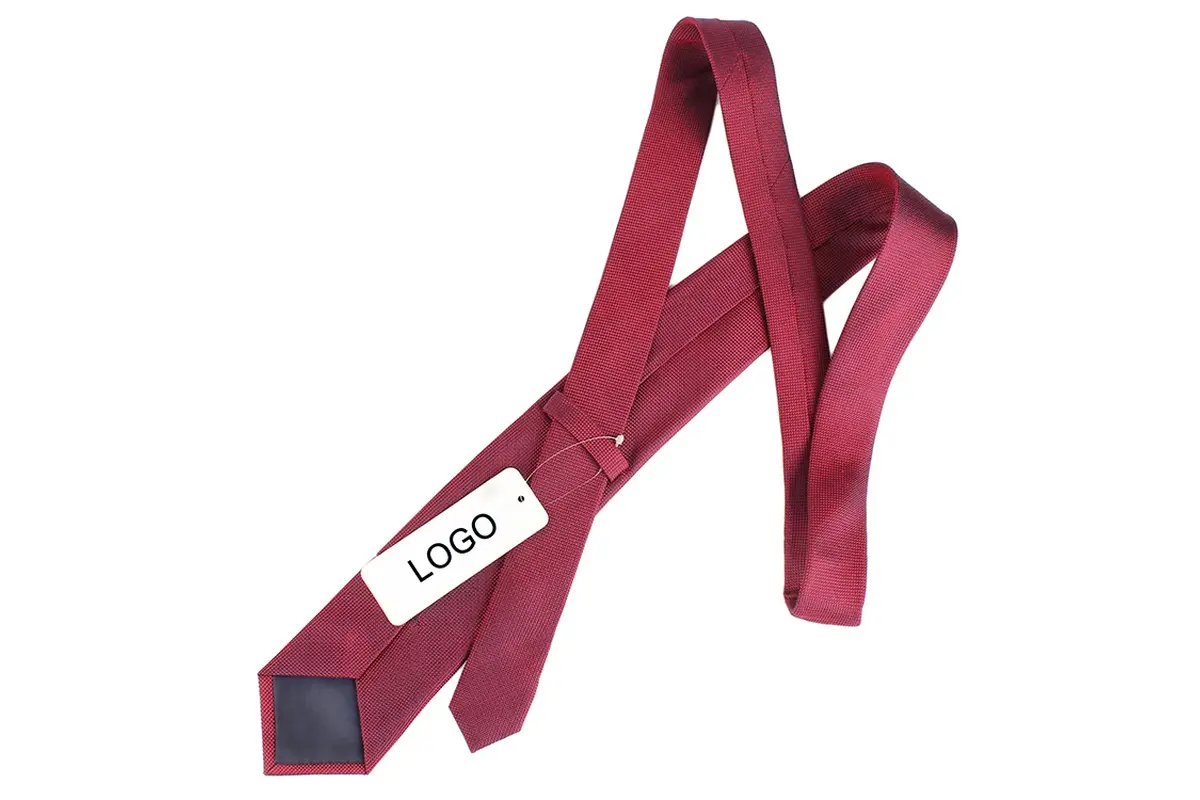
Labels and Group Packing
School and size labels distinguish the approved versions. Grouped packing separates quantities for receiving and distribution.
Define Wearer and Order Groups
Use buyer-defined groups instead of assuming one size or one quantity split for the whole school.
- Primary or Junior Students
The school or uniform supplier selects shorter dimensions for these groups. Approve length, width, group quantity, and the sample reference; no age-to-size rule is assumed. - Secondary or Senior Students
Define the older-student group and its dimensions for a separate allocation. A generic senior label does not specify fit. - Adult Staff or Faculty
Staff ties can coordinate with the student palette. Specify whether staff need the same design, another size, or a separate colorway. - House or Year Groups
Color accents or stripe variations can identify internal groups. List each colorway and quantity separately to distinguish similar variants. - Campus or Program Variants
Multi-campus schools or programs can share a base uniform with approved differences. Supply a code, artwork, and quantity for each variant. - New Intake and Reorder Batches
Keep the approved sample and specifications for annual intake, replacement stock, and scheduled replenishment. Materials and colors require reconfirmation for repeat production.
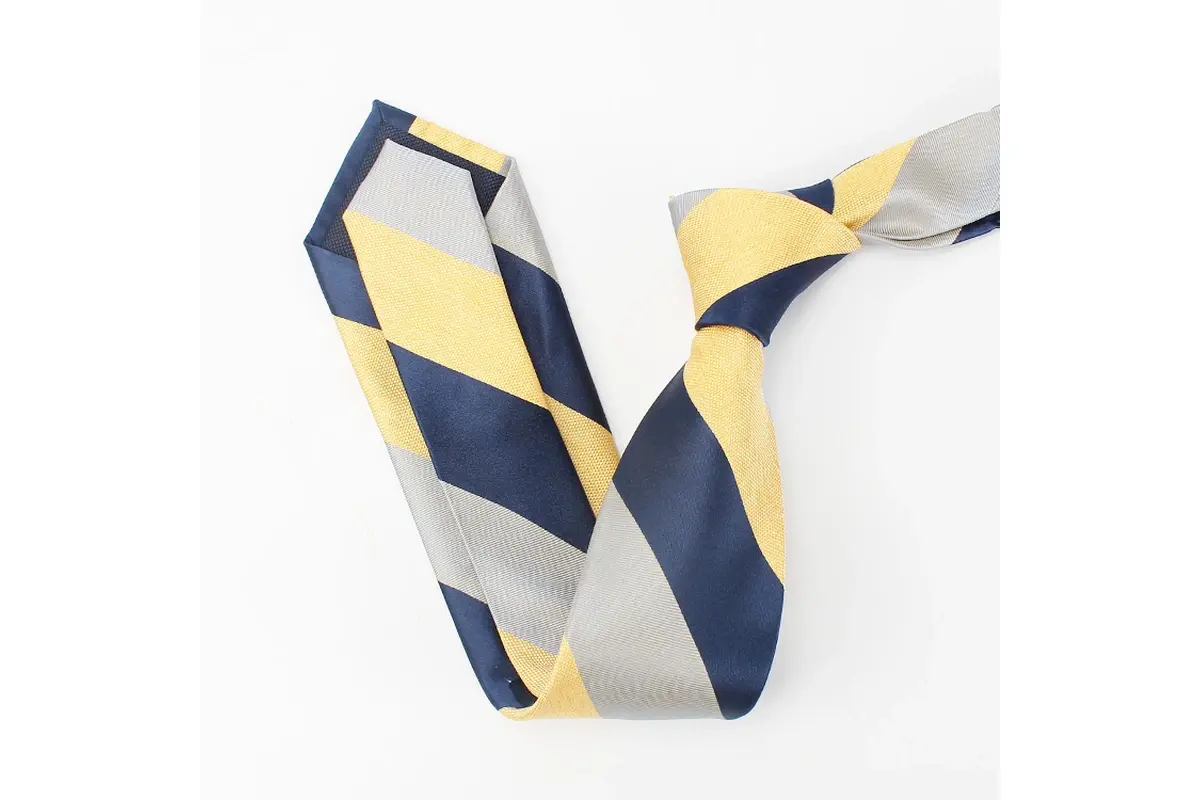
Plan Width and Length by Wearer Group
Confirm width and length for each school wearer group.
- 6 cm Width
A narrower blade for a defined uniform group. Approve width, length, and wearer group together before sampling. - 7 cm Width
A narrow-to-regular school uniform proportion. Review it against the shirt, blazer, and approved visual reference. - 8 cm Width
A classic regular-width appearance. Specify whether every group uses 8 cm or needs a width split. - 9 or 10 cm Width
Broader options for traditional uniforms. Approve the width on the actual design and sample. - 135 to 145 cm Length
Specify quantities for 135, 140, or 145 cm lengths by wearer group. - 150 or 155 cm Length
Options for taller wearers or adult staff where specified by the buyer. Approve length, width, quantity, and any special proportions; other dimensions may need an additional pattern or sample.
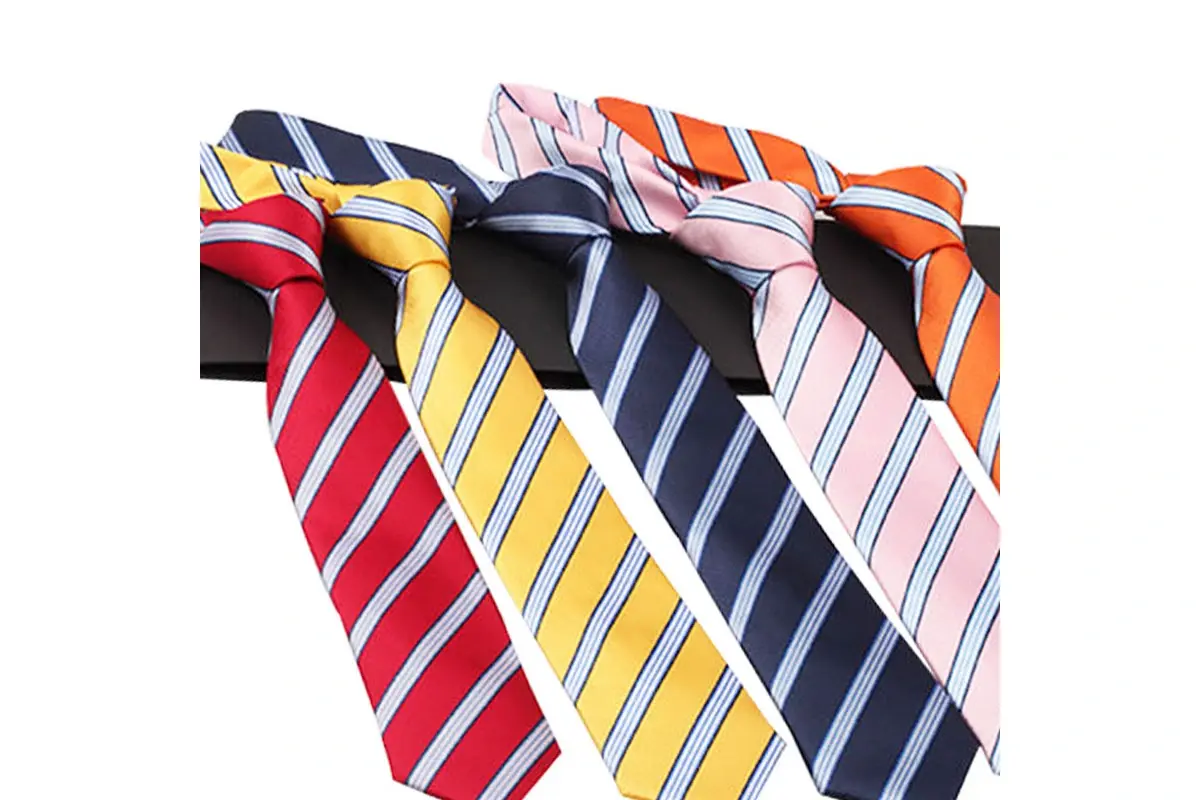
Coordinate Daily Uniform Colors and Patterns
Start with the school palette and uniform policy, then document the approved colorway or stripe for each group.
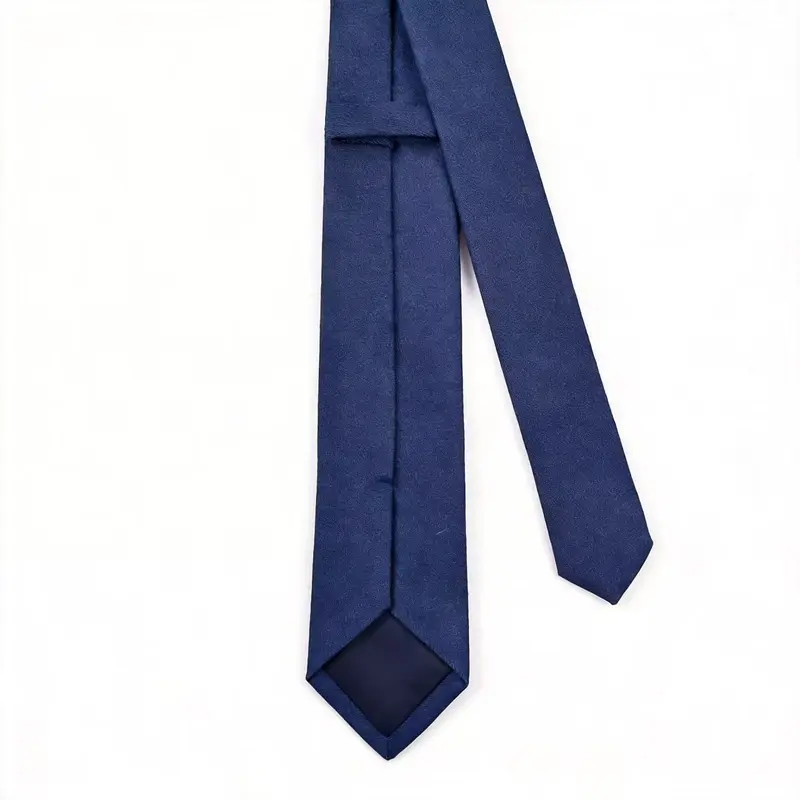
- Solid School Color
One dominant color can define the tie. Supply a Pantone textile reference, current tie, fabric swatch, or approved sample for matching. - Two-Color Palette
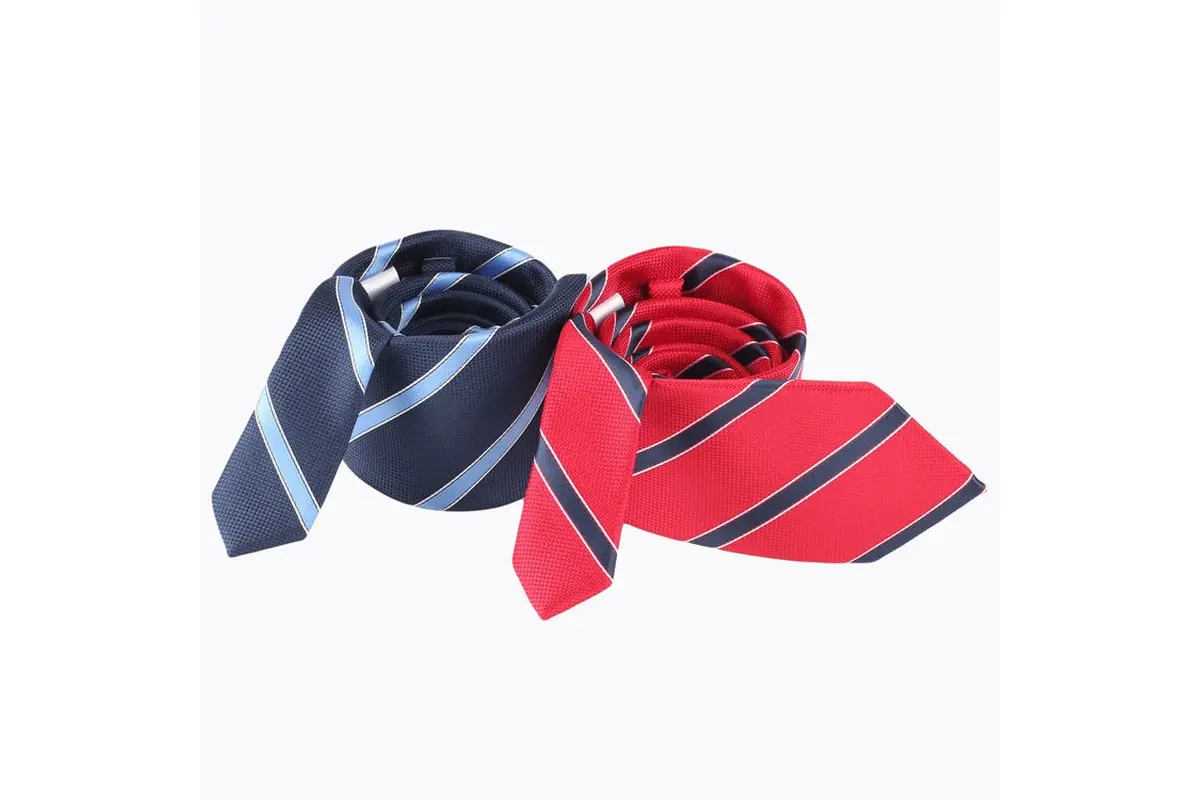
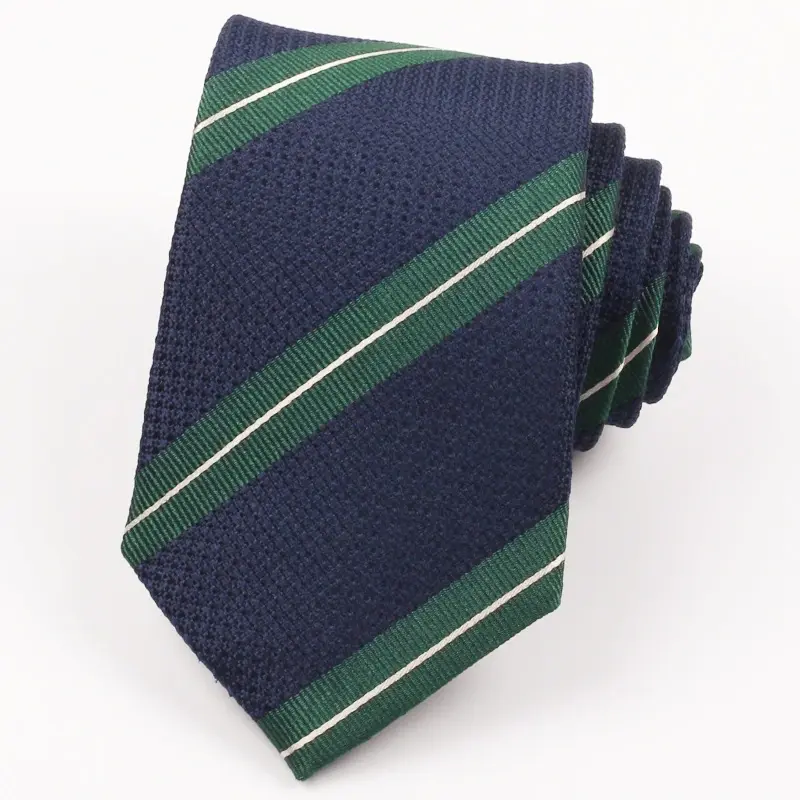
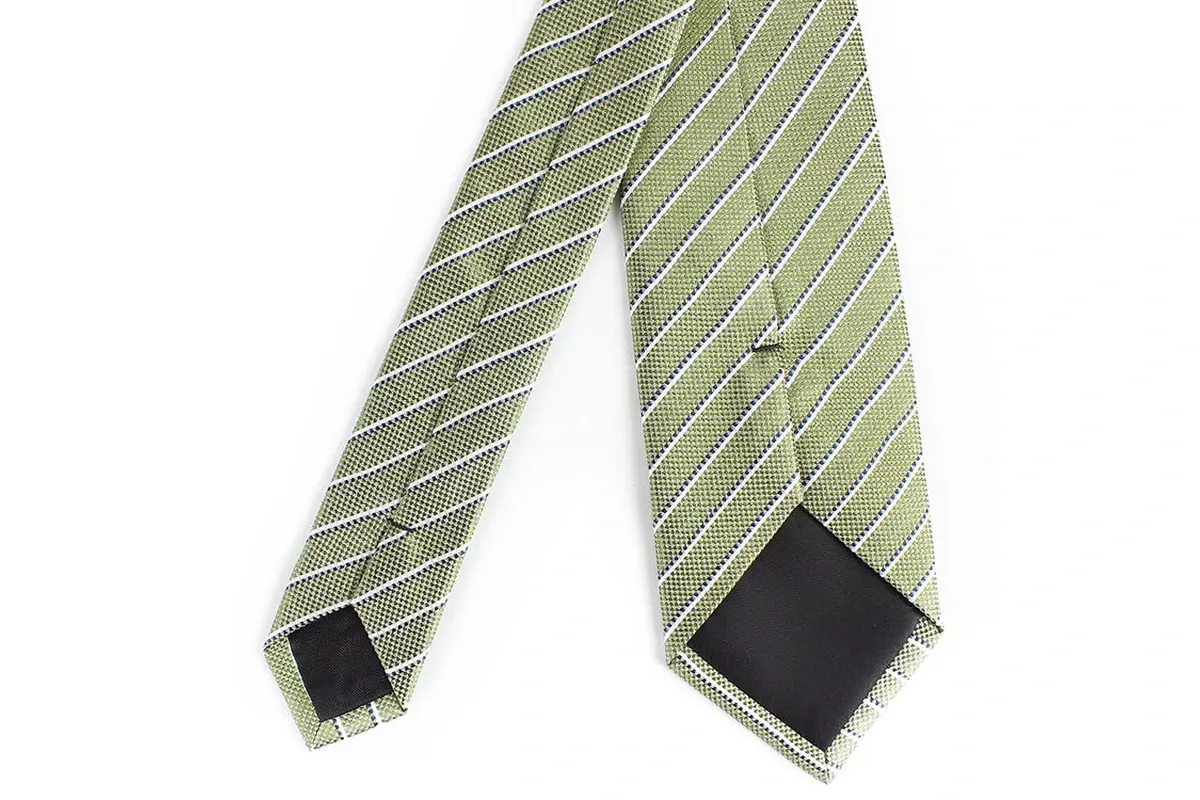
Coordinate two main colors with shirts, blazers, or trim. Define the base color, accent color, and their proportions. - Striped Uniform Design
Specify direction, width, spacing, sequence, and exact colors for diagonal or custom stripes in artwork or a physical reference. - House or Year Accent Variant
Groups can share a base design with a color change. Name and code each variant, then approve its quantity before sampling and production.
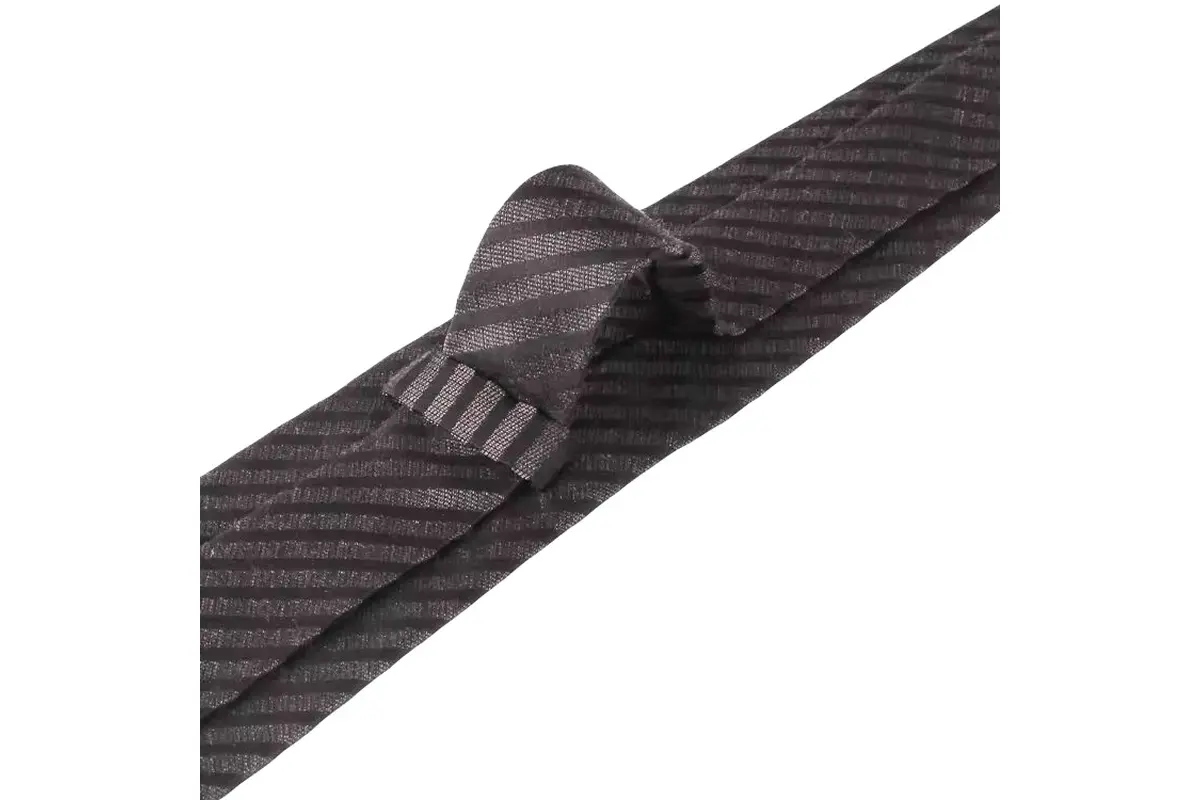
Choose the School Uniform Material
Choose polyester or polyester blend for the approved look, budget, and supply plan.
- Polyester
An option for bulk student neckties and repeat orders. Approve fabric appearance, color, pattern method, and finished construction on the sample. - Polyester Blend
A different hand feel or appearance may suit the school uniform. Review blend composition and available color or pattern results for the project before approval.
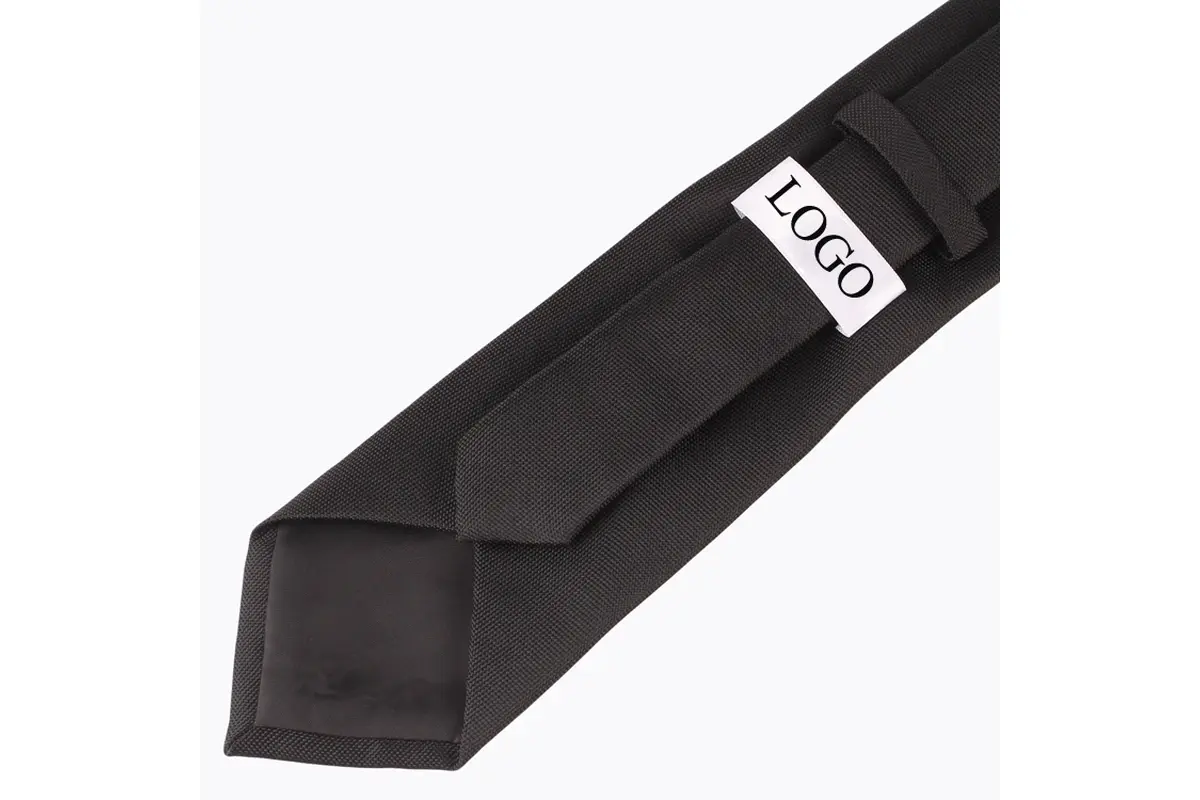
Organize Labels and Allocation Packing
Use labels and packing codes to distinguish similar sizes, groups and colorways before delivery to a school or uniform warehouse.
- Size Label
Specify exact wording and the SKU or group receiving each label when ordering multiple lengths or widths. - Brand Label
Supply authorized school, uniform-brand, or distributor wording or artwork and approve placement before sampling. - Care Label
Approve care wording that matches the material and verified performance. - Hang Tag or Paper Card
Identify ties for retail or issue-counter distribution. Approve artwork, barcode or code content, attachment, and quantity by variant. - Individual Protective Packing
Use an OPP bag or approved alternative for standard handling. Specify any label, size code, or group mark on each pack. - Grouped Carton Allocation
Supply carton quantities, group codes, shipping marks, destination, and packing sequence before production for deliveries covering multiple sizes, houses, or campuses.
Related Custom Products
Compare school logo, striped school, university, and uniform polyester ties.
Keep Uniform Specifications Ready for Reorders
Record approved material, dimensions, color reference, stripe layout, identity method, labels, packing codes, and quantities after sampling. For intake or replacement orders, provide the previous order reference and reconfirm specifications with LuxoTie, including material availability and production color.
Send Your School Uniform Tie Brief
Send your school uniform tie requirements and estimated quantity.
Request a School Tie Quote