
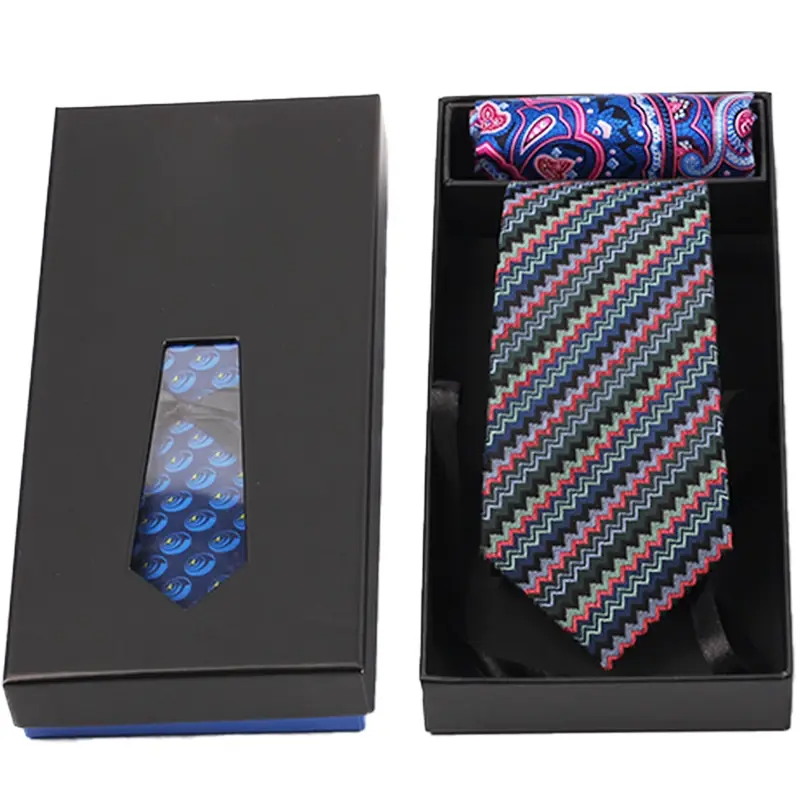
Private Label Woven Ties
Private label woven ties incorporate logos, stripes, motifs, or texture into jacquard fabric. LuxoTie helps brands, retailers, wholesalers, clubs, and institutions approve artwork, yarn colors, repeat, placement, dimensions, construction, labels, and retail packaging together.
- Woven Artwork: Logo, stripe, motif, or textured repeat adapted for jacquard weaving
- Material Direction: Polyester, silk-polyester blend, or pure silk as approved
- Yarn Color Plan: Physical yarn colors approved against supplied color references
- Tie Specification: Width 6–10 cm and length 135–155 cm, or approved special dimensions
- Private Label System: Brand, size, and care labels with hang tags and retail packing
Final pricing and timing depend on the material, artwork complexity, yarn colors, repeat, dimensions, construction, labels, variant quantities, and retail packaging.
Request a Private Label Quote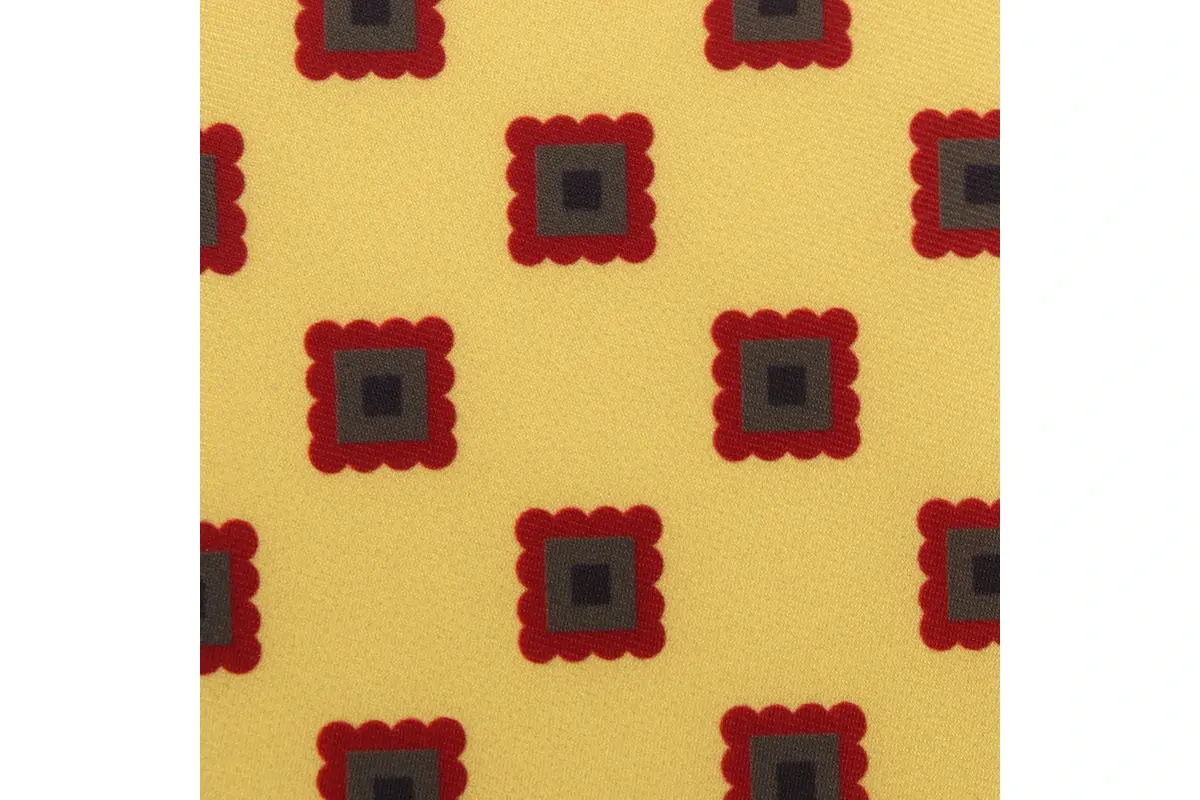
Translate Brand Artwork Into a Weavable Design
Jacquard forms the design from interlaced yarns. Adapt artwork to a practical yarn grid, line weight, lettering size, color count, repeat, and direction, then review the result on a cut, folded, and sewn tie.
Private Label Woven Details
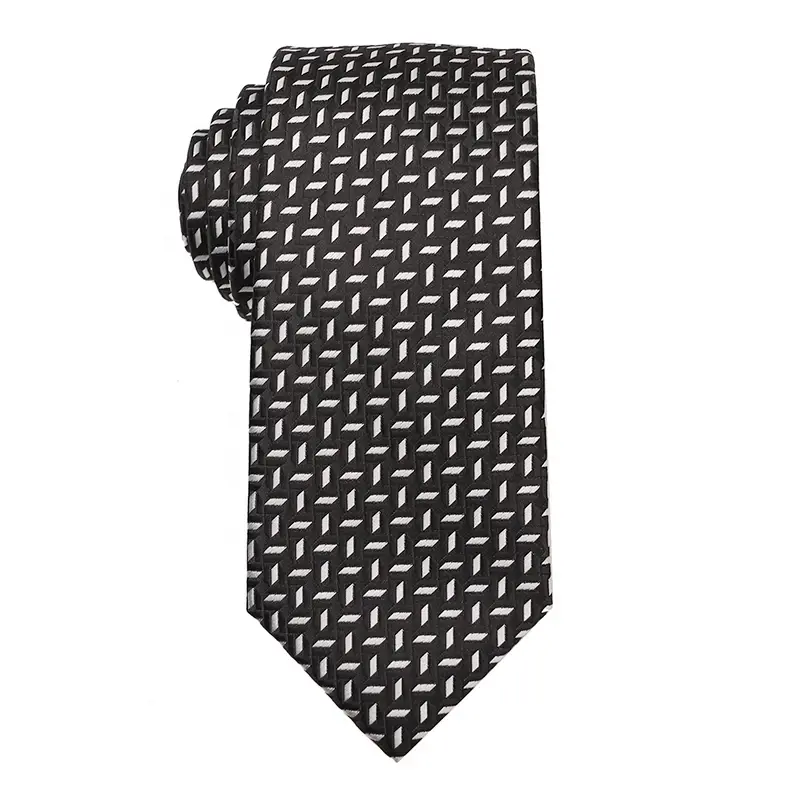
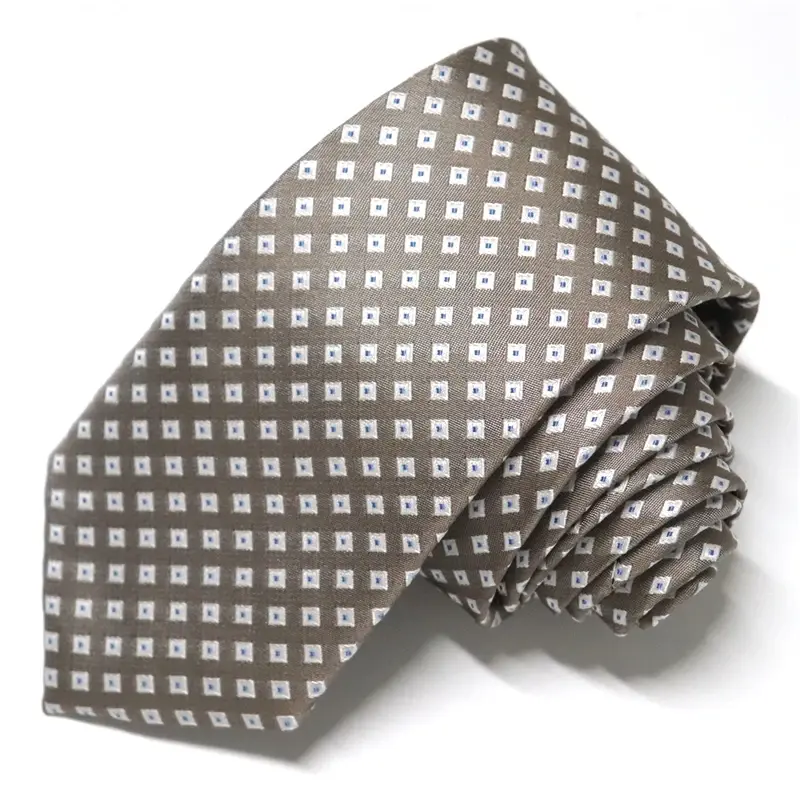
Brand artwork becomes a woven pattern, then a finished retail tie. Construction, labels and presentation are developed around the same design.
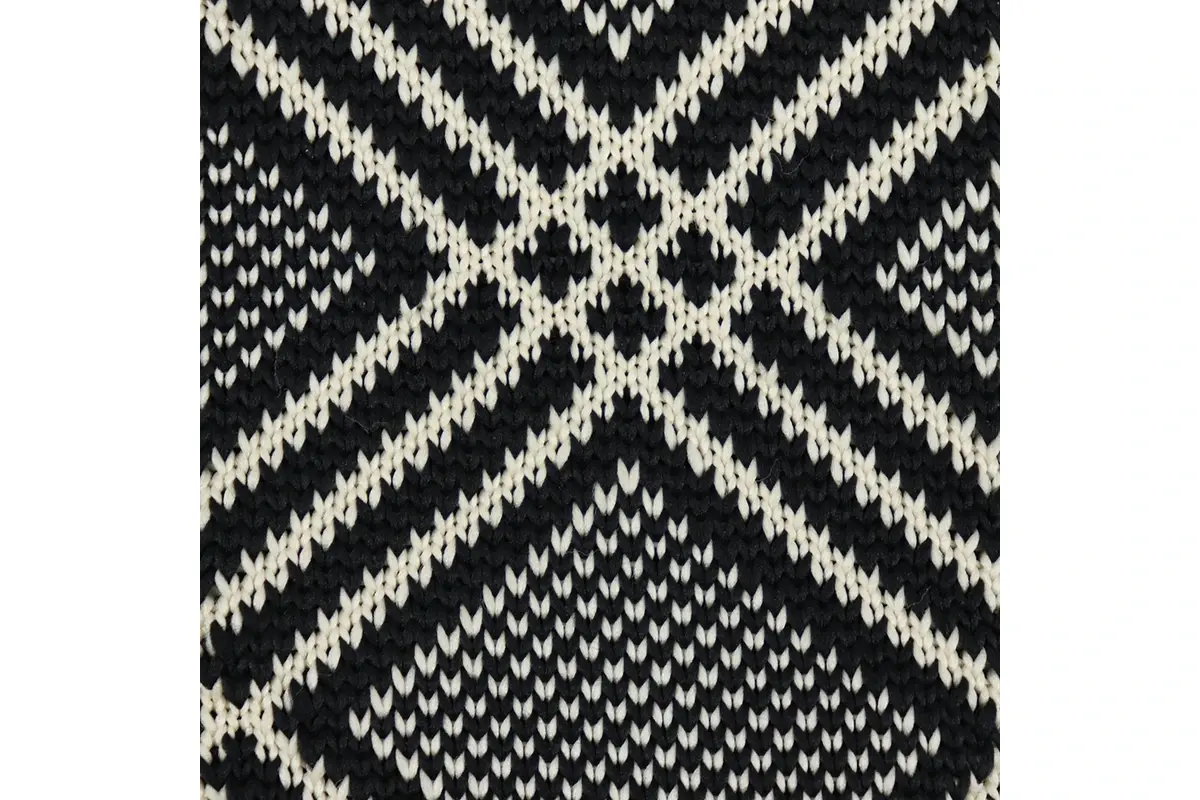
Branded Jacquard Pattern
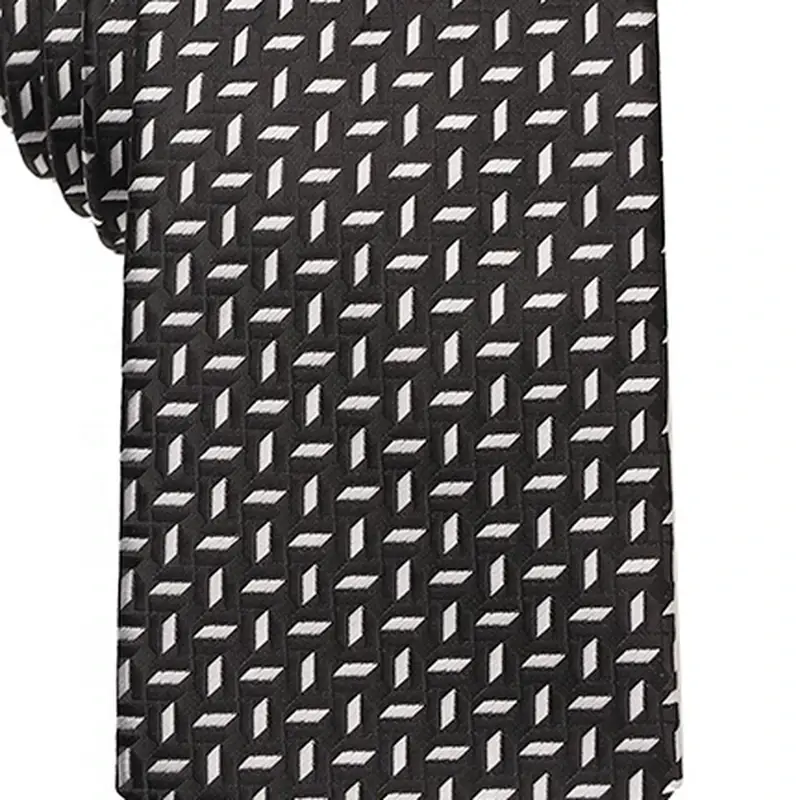
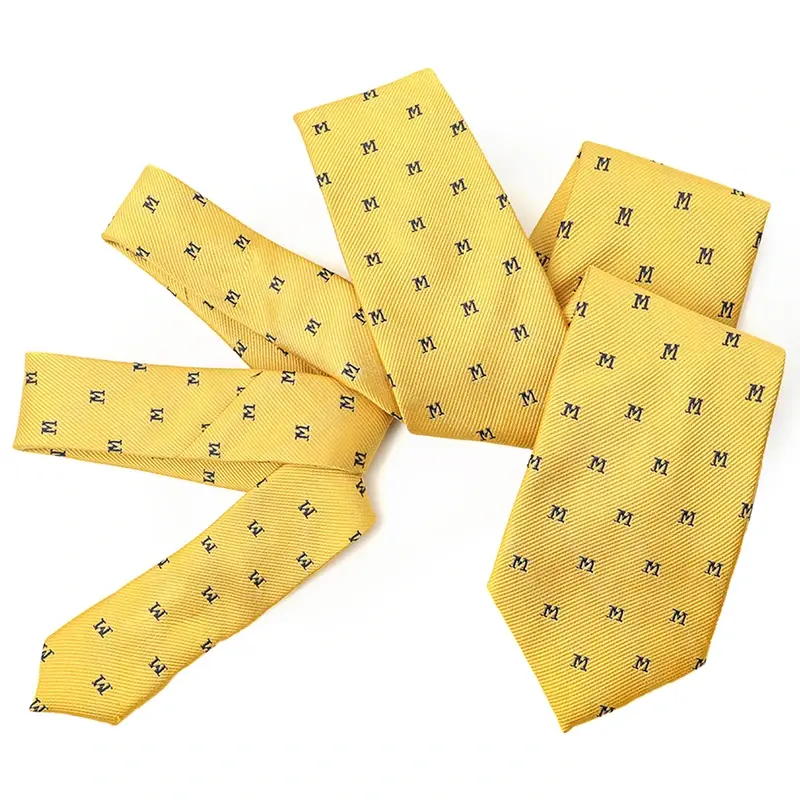
Logos, stripes and repeating marks are formed with selected yarn colors. Weave structure and motif scale contribute to the fabric's texture and appearance.
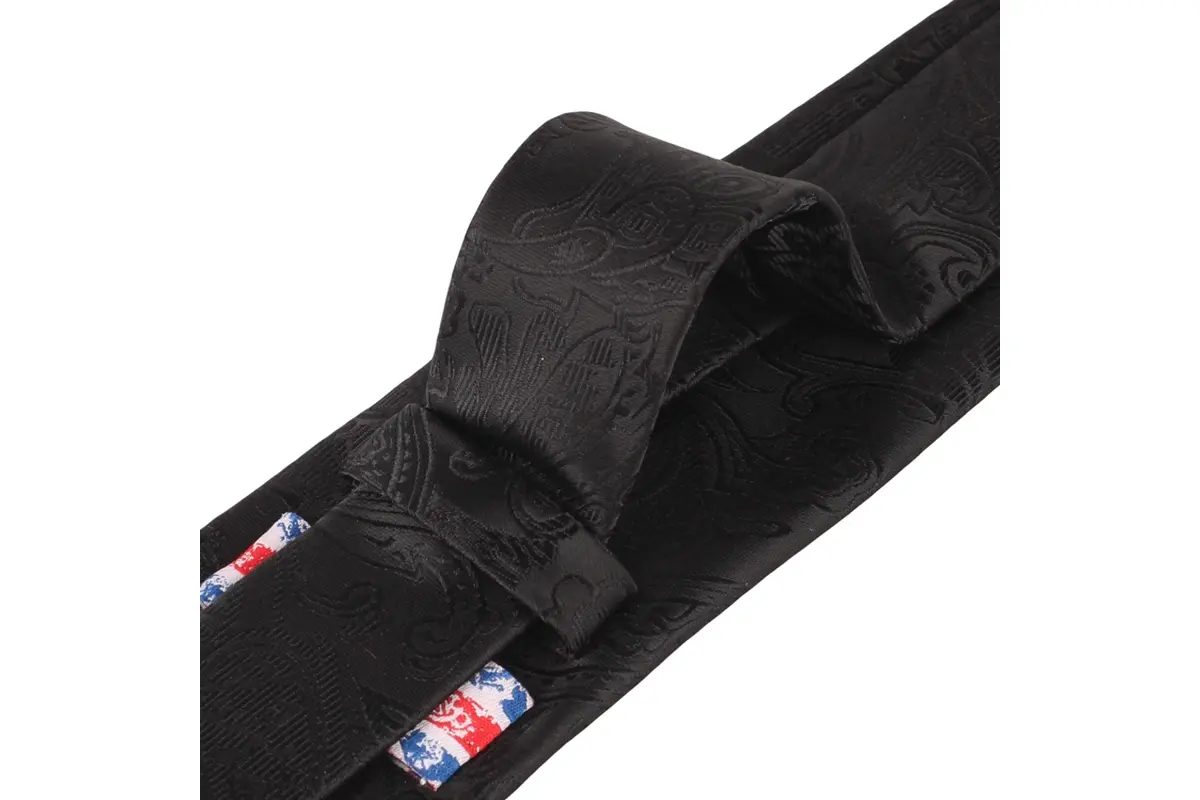
Construction and Reverse Finish
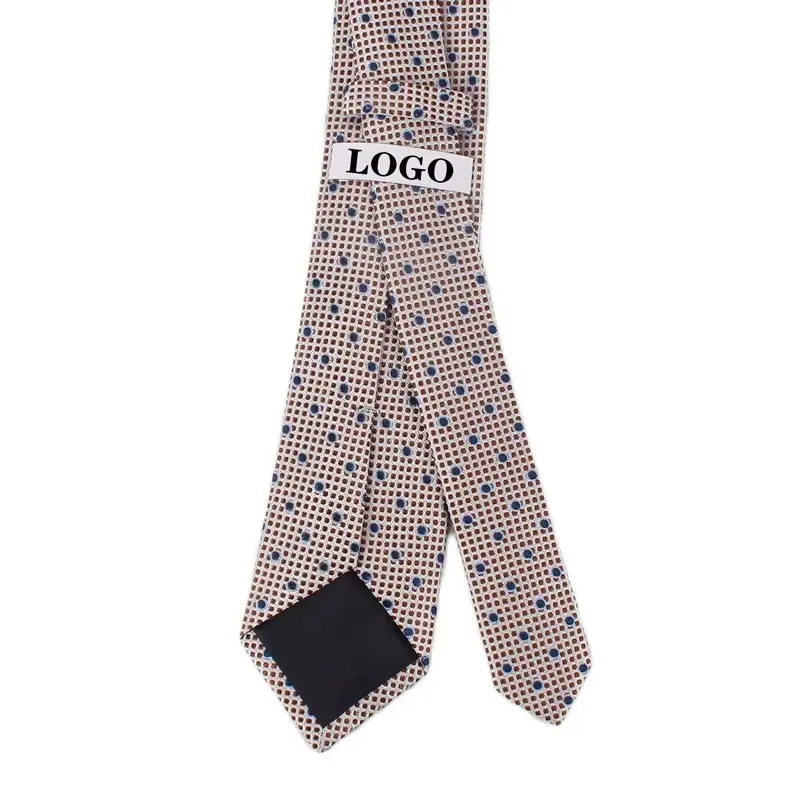
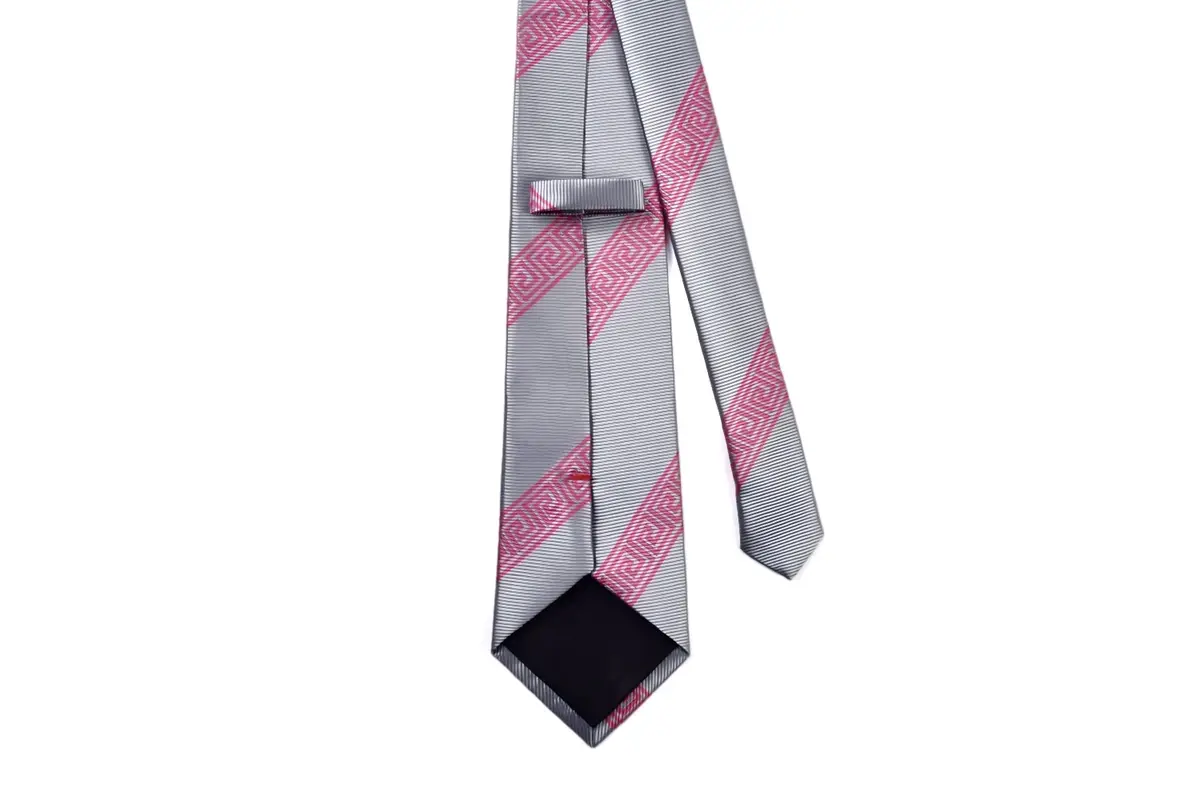
Interlining, folded construction and stitching shape the finished tie. The reverse-side details accommodate the selected label placement.
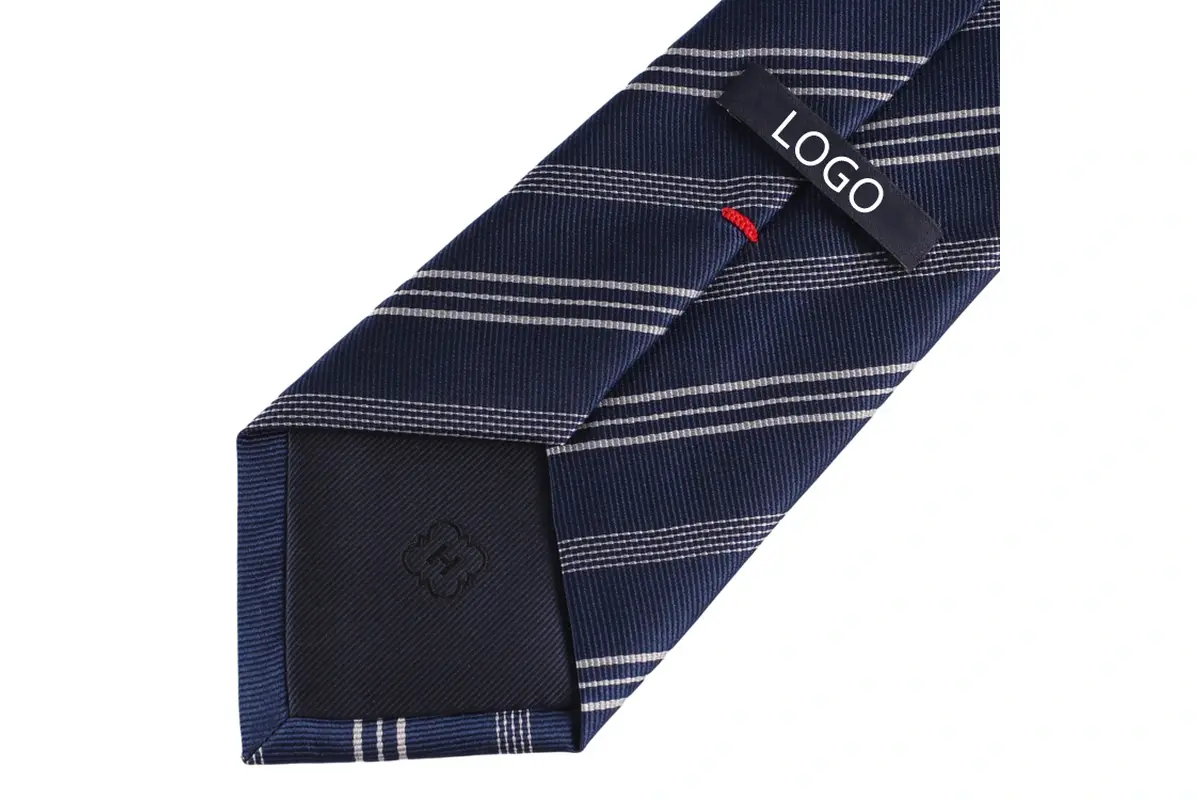
Labels, Packaging, and Product Codes
Brand labels, care labels, hang tags and packaging identify the collection. Each yarn colorway and presentation combination can have a distinct product code.
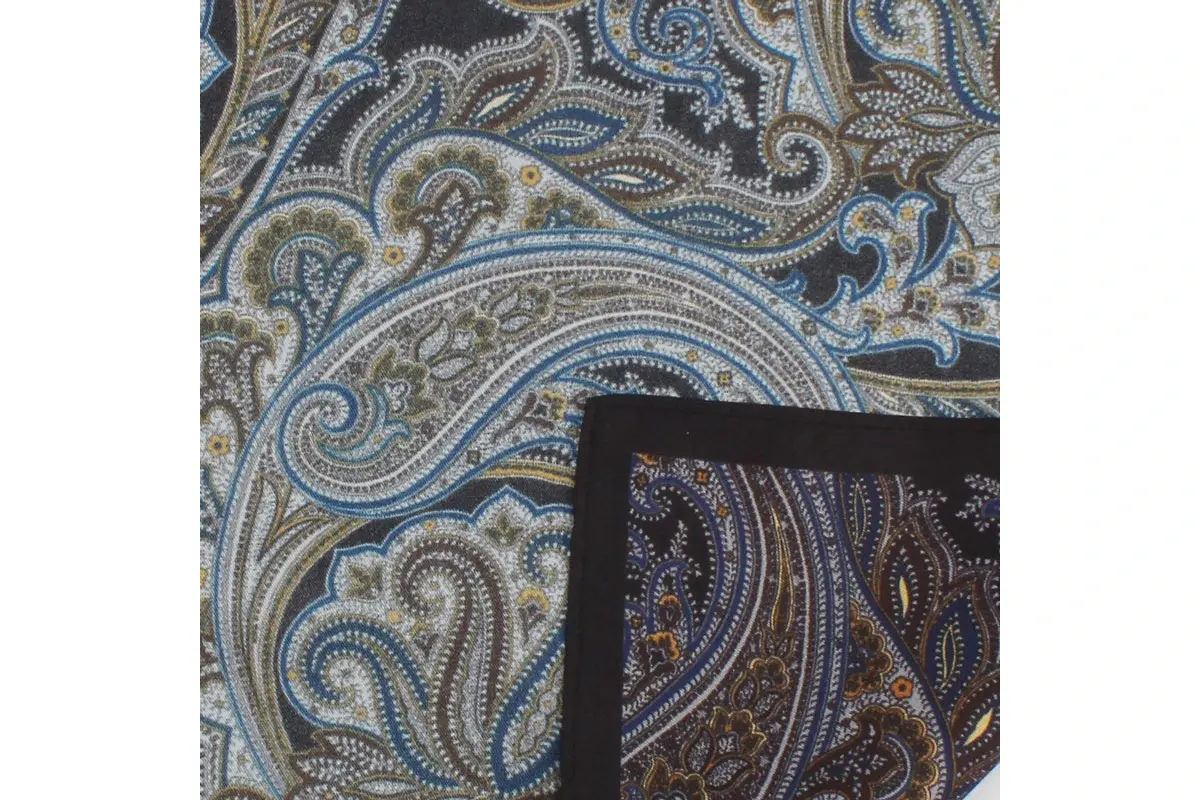
Choose the Woven Pattern Layout
Choose a pattern structure based on the artwork, viewing distance, intended texture and finished tie proportions. Approve its physical scale and appearance after cutting and folding.
- All-Over Logo Repeat
Repeated brand marks, crests, or symbols need approved simplified artwork, repeat size, spacing, yarn colors, direction, and finished-blade visibility. - Striped Jacquard
Set stripe widths, sequence, angle, colors, motif integration, and alignment after cutting for corporate, club, school, or classic collections. - Geometric or Motif Repeat
Fashion or distinctive surface patterns need approved repeat units, transitions, scale, direction, color relationships, and visible balance. - Placement Motif
Set exact motif size, orientation, cutting and fold allowances, and acceptable position tolerance for a mark in a defined blade area. - Tone-on-Tone Texture
Subtle branding or a restrained, higher-end appearance depends on yarn contrast and weave visibility. Approve light response, texture, and the physical sample.
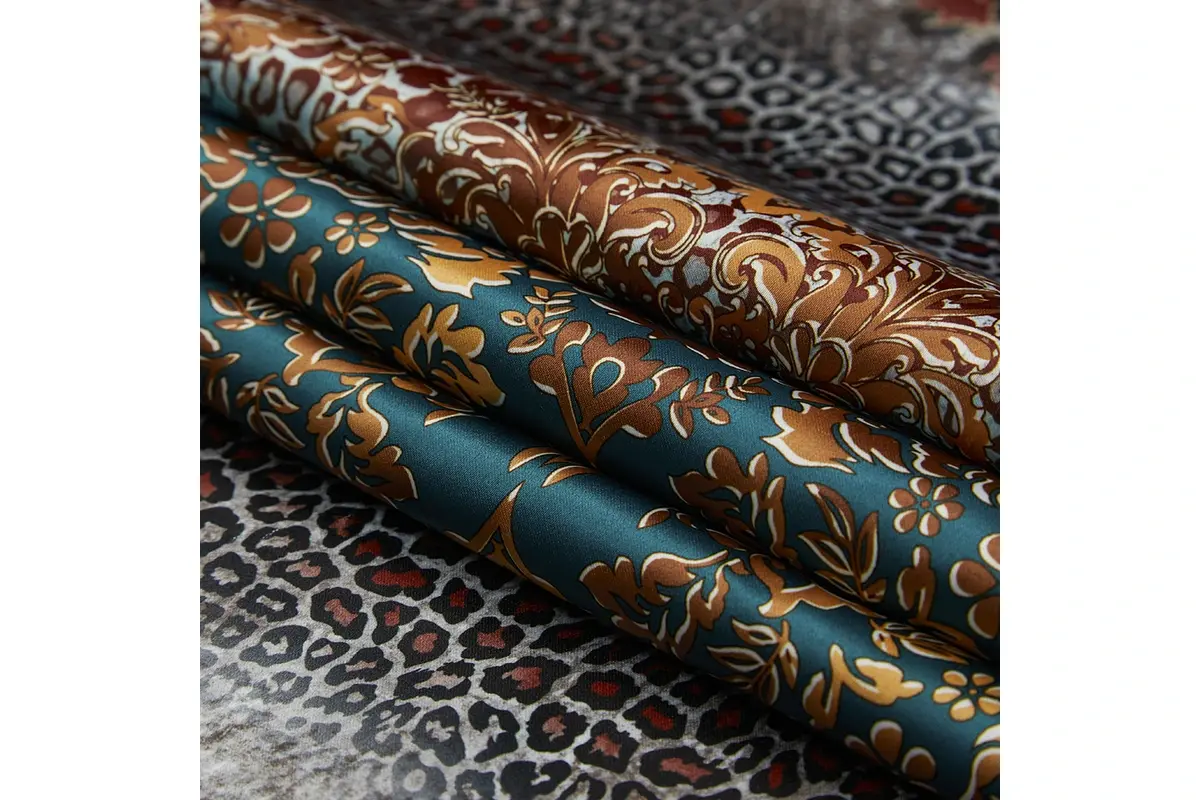
Set the Yarn Color Plan
Develop the palette with physical yarns and the selected weave. Approve their combined color under suitable viewing conditions.
- Ground Color
Define the dominant yarn color for each design and colorway, then compare it with the supplied Pantone or physical reference. - Motif or Logo Colors
Assign each color in a multicolor logo, crest, stripe, or repeat to a yarn direction. Approve legibility at the intended physical scale. - Contrast Level
Check adjacent yarn colors, weave texture, viewing distance, and visibility for bold or tone-on-tone designs. - Physical Yarn Approval
Approve physical yarn or woven sample colors for brand consistency. Screens cannot show every yarn and weave interaction.
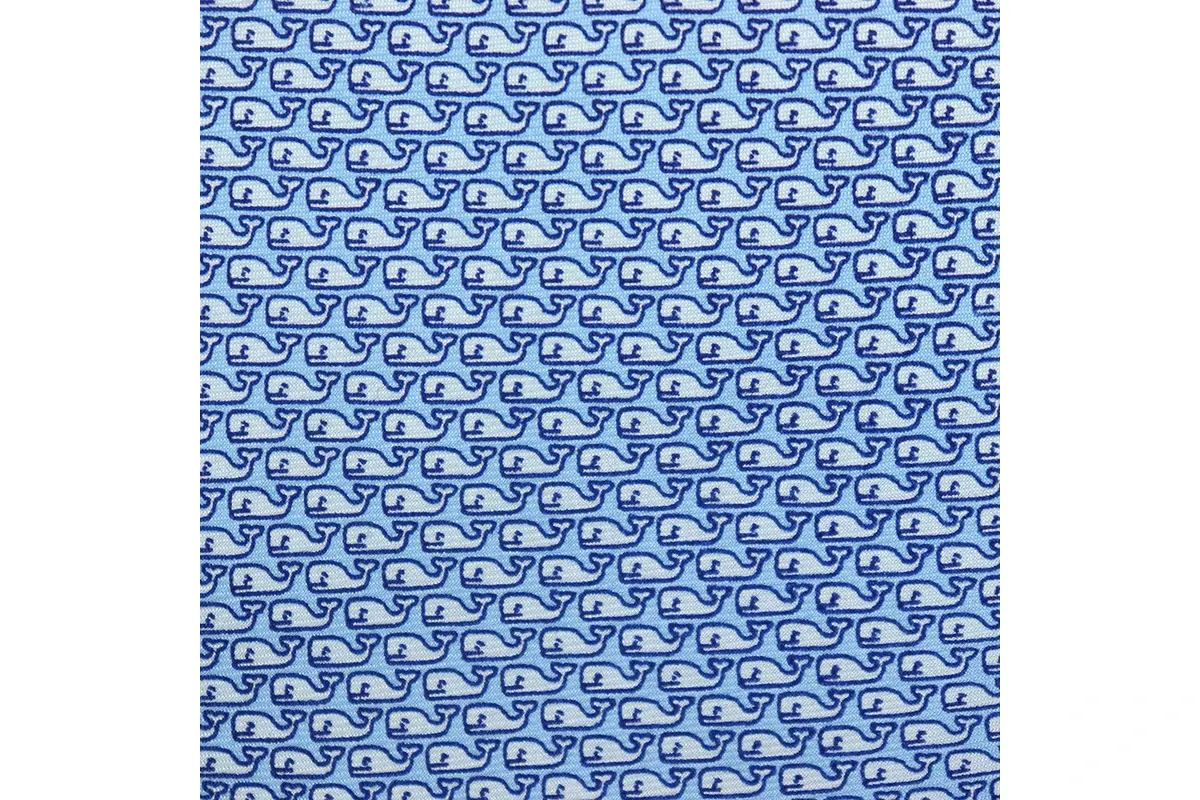
Control Repeat, Scale, and Placement
Map the repeat to the actual tie pattern before production. The same artwork can look different after the fabric is cut at an angle, folded around the blade and divided across product variants.
- Repeat Unit
Set repeat width, height, spacing, joins, direction, and rhythm across the visible blade for logos, motifs, stripes, or geometric patterns. - Blade Placement
Mark the intended front-blade position for motifs or stripes and review how cutting and sewing affect it. - Cutting and Fold Allowance
Keep critical details away from blade edges or seams where they may be trimmed, folded inward, or interrupted. - Direction and Variant Map
Link each repeat and orientation to the correct dimensions, color code, quantity, labels, and pack when ordering multiple widths, lengths, directions, or colorways.
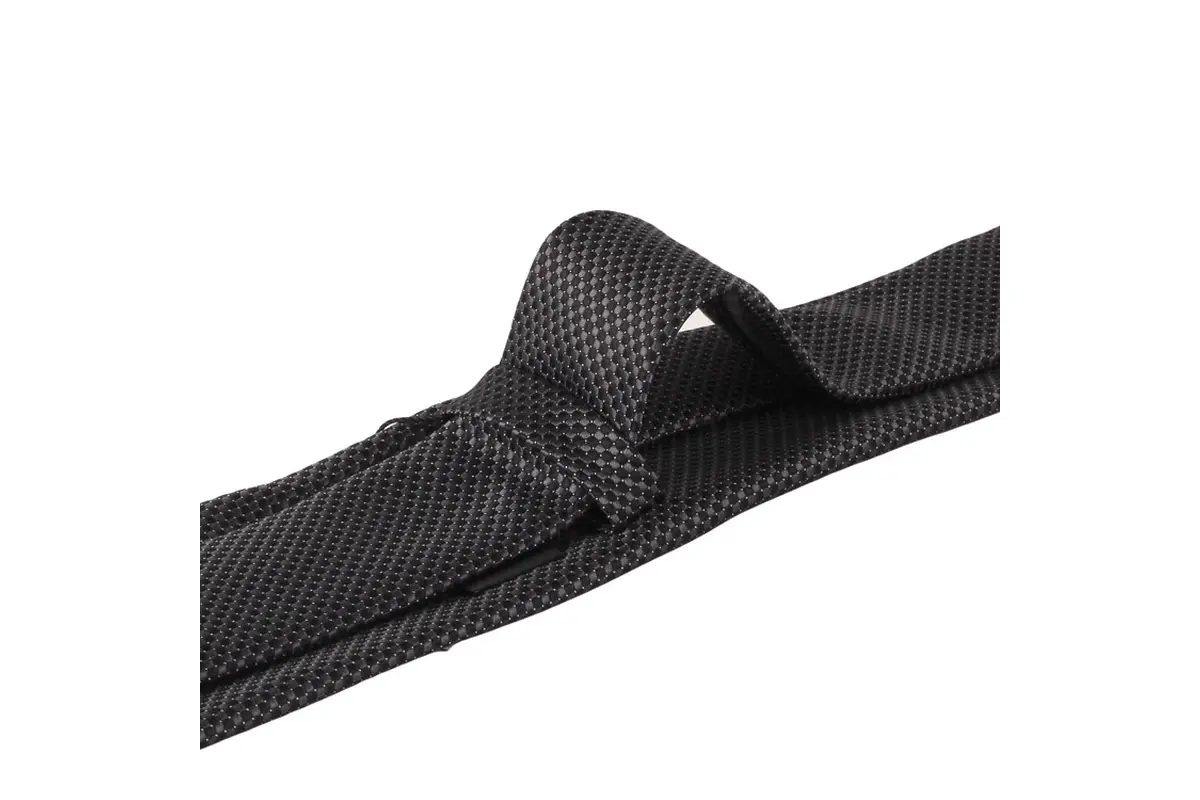
Tie Dimensions, Interlining, and Finishing
Define the finished proportions and internal build with the woven fabric. Approve how the tie hangs, knots, recovers and presents the pattern at the intended size.
- Blade Width
Select 6, 7, 8, 9, or 10 cm for slim, standard, broad, uniform, or collection-specific proportions. Approve any other project width before pattern placement. - Finished Length
Select 135, 140, 145, 150, or 155 cm for adult, youth, uniform, or special-size orders, or confirm another project length. - Interlining
Approve material and weight with the woven fabric and finished dimensions to achieve the required body, knot, drape, and recovery. - Tipping
Approve material, color, any artwork, position, and sample appearance for the blade-back finish. - Fold and Sewing Standard
Approve fold geometry, seam alignment, bar tacks, keeper, pattern balance, dimensions, and finished handling for each style.
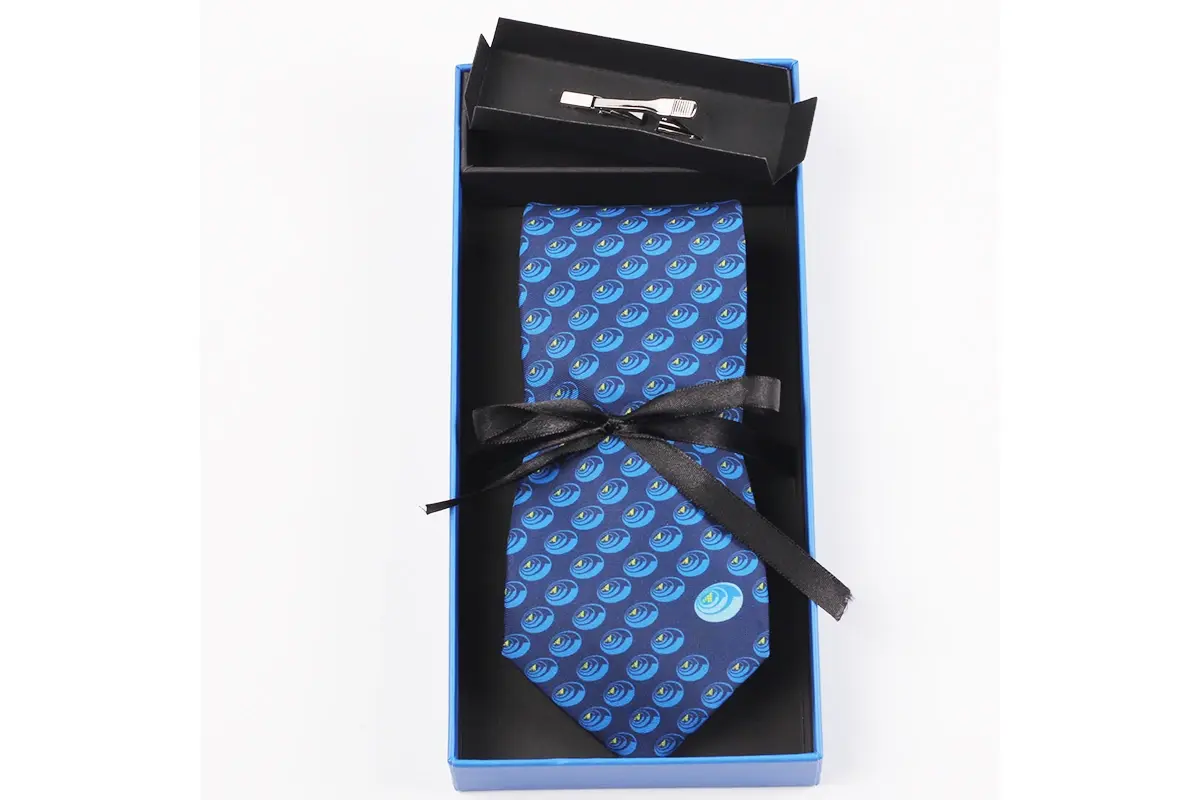
Private Labels and Retail Packaging
Match the approved tie to its brand information and sales-channel packaging. Record each combination for production, receiving, and reorders.
- Brand Label
Approve artwork, wording, material, dimensions, colors, sewing position, and variant assignment for fashion, retail, wholesale, club, or institutional ties. - Size Label
Define the displayed size, position, and exact assignment for each width, length, or special-dimension variant. - Care Label
Supply brand-approved material and care wording. Approve label material, dimensions, placement, and variant use. - Hang Tag
Approve artwork, printed content, dimensions, attachment, orientation, and product assignment for retail, gifts, collection codes, or product information. - Individual OPP Bag
Separate and protect ties for wholesale or grouped orders. Approve the tie fold, inserts, hang-tag position, closure, and external variant marks. - Branded Box or Card
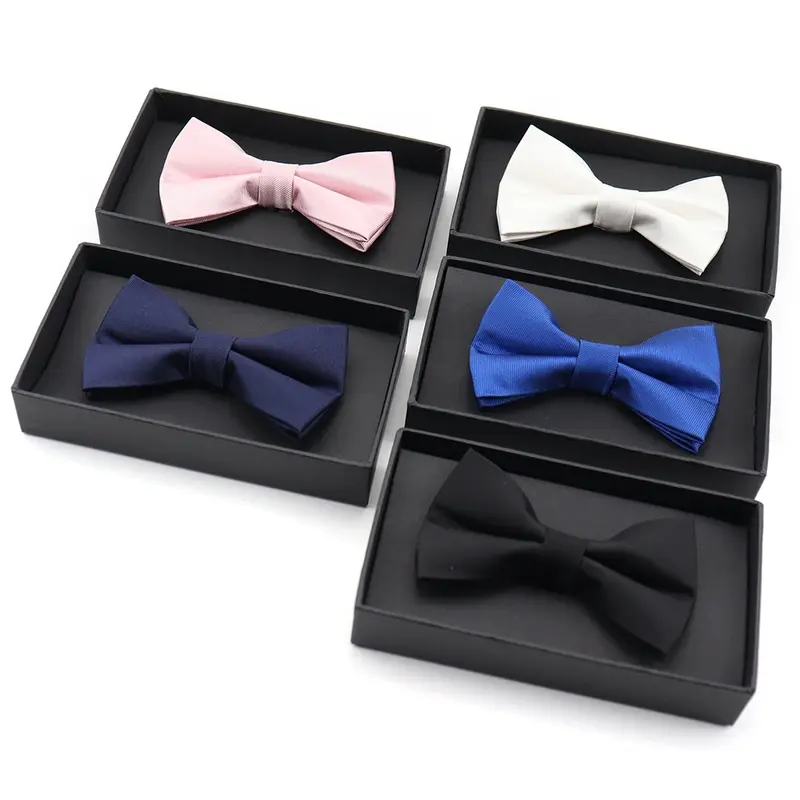
Approve format, dimensions, artwork, inserts, tie orientation, physical fit, and outer-carton grouping for private-label retail, gift, or presentation orders.
Related Custom Products
Compare private label silk, printed, and bow ties with custom woven logo ties.
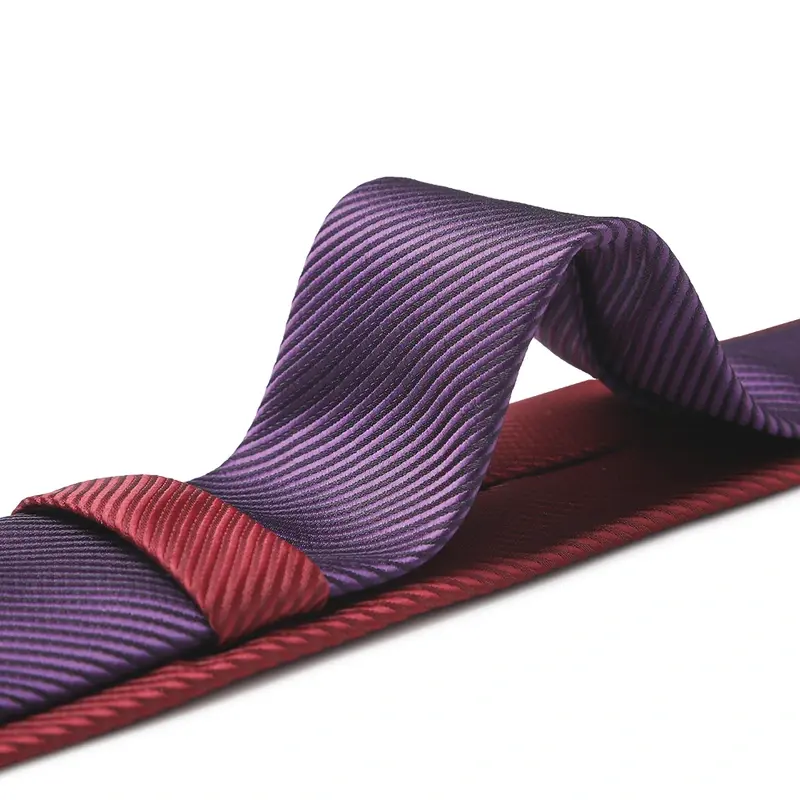
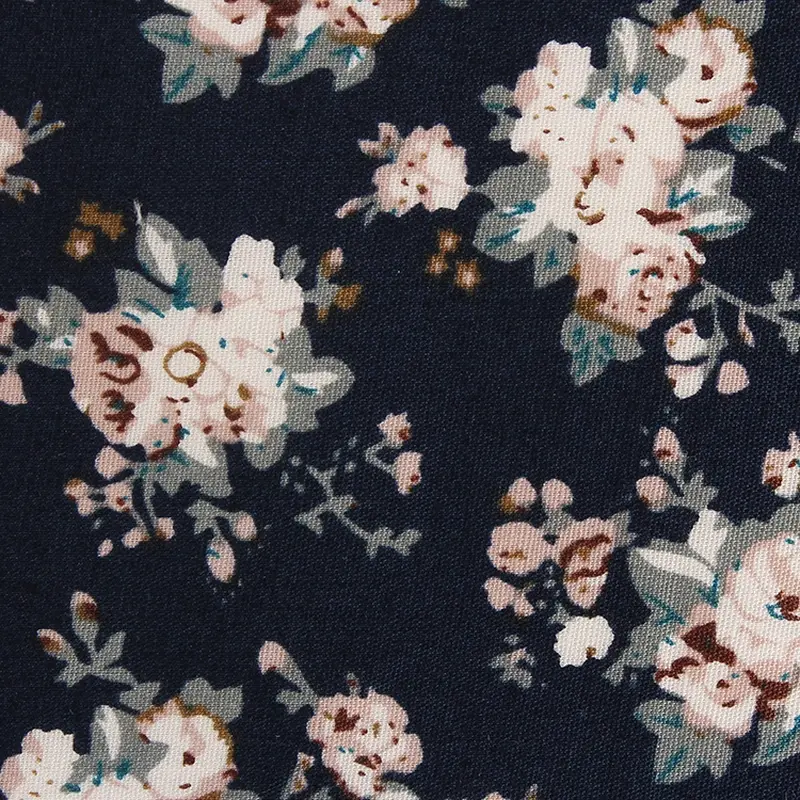
Approve the Finished Woven Sample
Inspect the yarn colors, weave texture, logo or motif legibility, repeat, direction and placement on the finished tie. Also check material, width, length, interlining, tipping, sewing, labels, hang tag and package together, then keep the approved combination as the production and reorder reference.
Send Your Private Label Woven Tie Brief
Send your private label woven tie requirements and estimated quantity.
Request a Private Label Quote