
Before approving a custom tie sample, compare it with the agreed artwork and specification. Check the tie flat, turn it over and tie it in the intended knot. Record any requested correction and approve a clearly identified final version before bulk production.
A sample approval establishes a reference for an order. It does not prove that every future piece will be identical or replace an agreed production inspection. Keep the sample, specification and written approval together so both sides know what was accepted.
First confirm what the sample represents
A woven swatch can help confirm the pattern and yarn appearance. A print strike-off can help confirm artwork on the selected fabric. Neither shows the complete knot, blade shape or finished construction of a tie.
For a finished tie sample, ask whether its fabric, lining, labels and packaging match the proposed production specification. List any temporary component. Do not approve an unseen replacement by describing the whole sample as “approved” without qualification.
LuxoTie can arrange sampling before bulk production. Sample type, cost and timing depend on the project. The production process places sample confirmation before bulk production and inspection.
Use this sample review checklist
| Check | How to review it | What to record |
|---|---|---|
| Artwork and logo | Compare spelling, shape, orientation, size and repeat with the approved file. | Artwork version and any specific correction. |
| Color | Compare the physical sample with the agreed reference under consistent lighting. | Accepted reference and any mismatch to resolve. |
| Dimensions | Measure the tie flat using the agreed method and units. | Length, blade width and agreed tolerances. |
| Knot and placement | Tie it as intended and view the visible logo and blade. | Any positioning or appearance change required. |
| Construction | Inspect the reverse, seam, tip, lining and keeper loop where specified. | Loose threads, puckering, uneven shape or missing details. |
| Labels | Check text, placement, orientation and attachment. | Final label artwork and placement. |
| Packaging | Compare the sample pack with the agreed packing specification. | Box or bag, inserts, markings and presentation. |
Do not invent a pass/fail tolerance after receiving the sample. If no dimensional or appearance tolerance was agreed, discuss it before approval so the same standard can be used for the order.
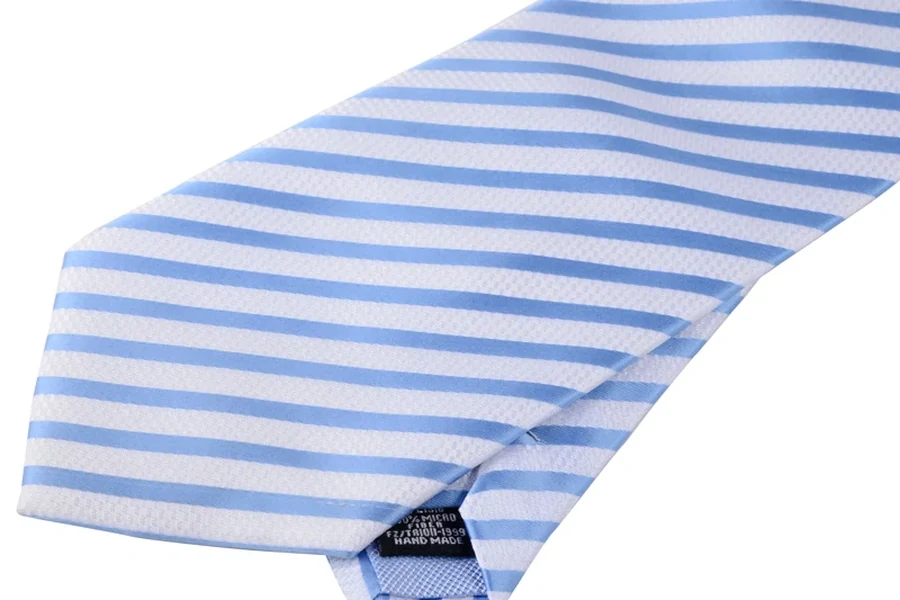
Check the tie in the intended wearing position
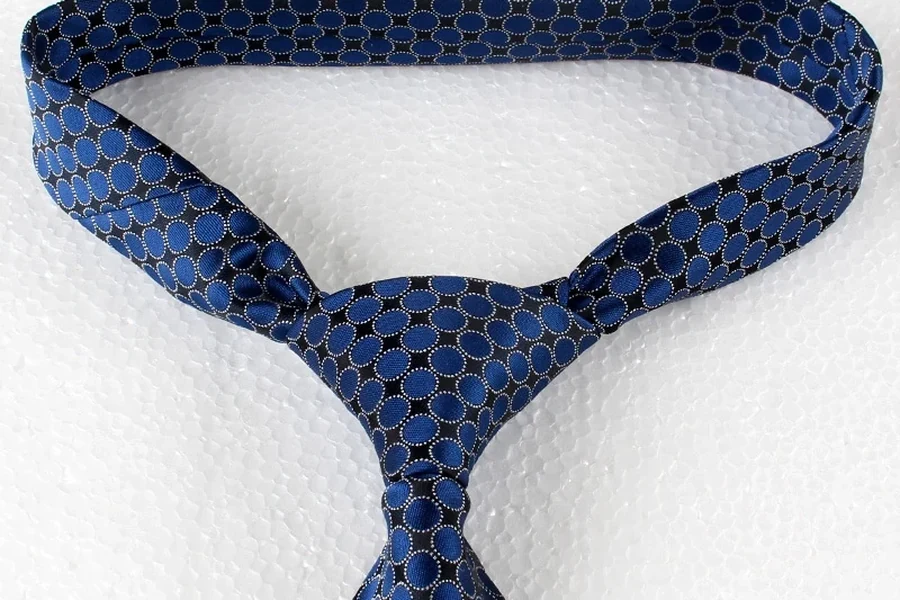
A tie can look balanced when flat but show the logo differently after knotting. Use the intended knot and a representative shirt collar. Check how much of the blade remains visible and whether the motif sits where you expected.
For a school program with several sizes, review the relevant size versions instead of assuming that scaling one tie preserves logo placement. For a staff uniform, compare the sample with the actual uniform colors where possible. Photographs can document the review, but lighting and screens limit color judgments.
Separate appearance checks from test evidence
Visual inspection cannot confirm fiber composition, colorfastness or a regulated material requirement. If the project requires testing or documents, identify the requirement, product scope and acceptance criteria before placing the order. Ask which sample or material a document covers.
Do not treat a general company certificate as proof that a particular tie meets every requirement. Discuss project-specific support through the certifications and testing information page. Testing and documentation requests need confirmation for the actual product and market.
Write an approval that identifies the version
Use a sample reference, date and artwork version in the approval message. Attach the confirmed specification. State whether labels and packaging are also approved or still outstanding.
- Sample reviewed: identify the exact physical sample or sample set.
- Specification: identify the agreed fabric, dimensions, construction and artwork.
- Decision: approved, revision requested or awaiting further evidence.
- Changes: list each correction separately and specify how it will be checked.
- Production release: confirm when all required approvals and order conditions are complete.
Avoid “approved, but change the color” when the new color has not been seen. Treat the change as an open item and agree whether a revised sample or another specific confirmation is needed before production.
Keep the reference for production and reorders
Keep an approved sample and ask the supplier to retain a matching reference. Agree how bulk goods will be checked, including the items to inspect and how any issue will be handled. A sample approval and a shipment inspection serve different purposes.
For a later reorder, resend the specification and approved version rather than relying only on an old product photo. Confirm fabric and color availability and whether another sample is needed. If the design, size or packaging changes, update the custom tie order brief before requesting the new quotation.
Frequently asked questions
Related guides
Send your tie specification, artwork and the details you need to verify. Include any label, packaging or testing requirements before the sample is prepared.
Discuss Your Project